






15 Bank and Card Fees Worth One Phone Call to Get Waived
Fifteen charges, from a $35 overdraft to a forgotten account's inactivity fee, that a polite call can sometimes erase, plus a short script and a plan for when the bank says no.

By Jheremy Raquel (JR) Agabao, Editor
Updated · 23 min read
- Written by our editor
- Cited 38 sources
- How we review
This is general information, not financial, tax or legal advice for your situation. Read our full disclaimer
Stay for #1. Switching to an account whose waiver condition you can meet can remove some monthly fees.
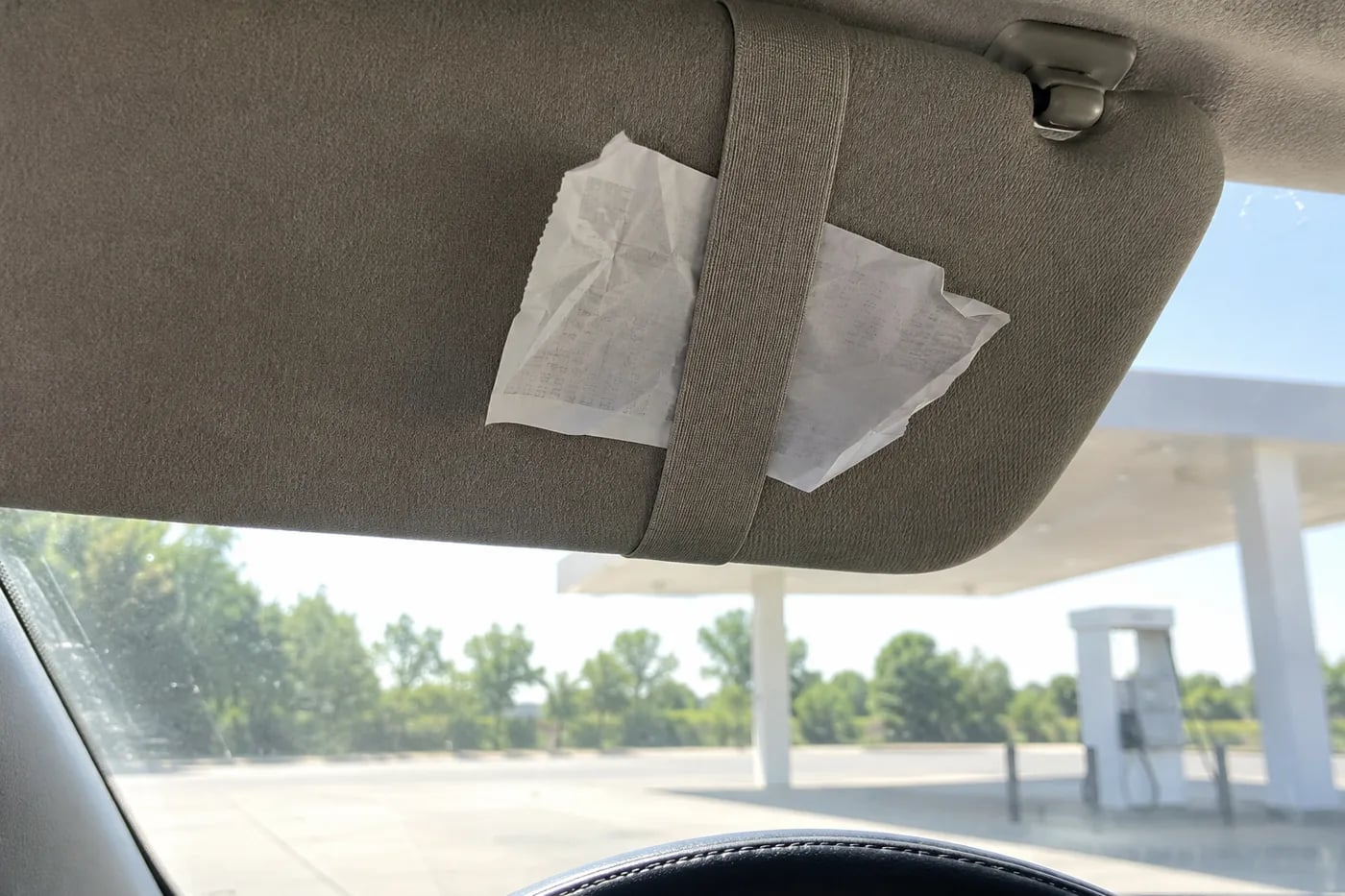
The gas pump prints your receipt, you tuck it behind the sun visor, and you forget about it. Three days later the bank app shows that fill-up again, with a $35 line right under it. One tank, one bad morning, and a fee bigger than most of the gas. A lot of these charges are bank fees you can get waived, and the FDIC's advice is to call and ask.
15A $35 overdraft after one slip
The FDIC, the federal agency that insures your deposits, tells you to call your bank and ask it to waive fees, especially if you've had few of them before. It says overdraft fees vary by bank and "may cost around $35 per transaction." Bankrate's 2025 fee study found an average of $26.77, and about 94% of accounts still charge one.
Before you dial, check two things.
First, whether the bank already let it go. Some large banks now forgive the fee on their own if you get the balance back to zero, or close to it, by a deadline. That deadline is often 11 p.m. Eastern on the same or the next business day, and each bank sets its own. Look at your bank's overdraft page before you spend 20 minutes on hold over a fee that's already gone.
Second, what caused it. Under federal rules, an everyday debit card purchase or ATM withdrawal can only trigger an overdraft fee if you opted in. If you never said yes, ask why you were charged. If you did say yes and would rather the card just get declined at the register, you can opt out during the same call.
Is one fee worth the bother? Using the CFPB's 2023 figures for banks with more than $1 billion in assets, we estimate a household that overdrafts still pays about $176 a year in overdraft and bounced-payment fees. And there's no federal cap. A rule that would have held big banks to $5 an overdraft was overturned by Congress in 2025 before it ever took effect. The National Consumer Law Center says struggling families paid over $12 billion in overdraft and NSF fees in 2025.
The call is usually short. Edgar Dworsky, founder of the consumer site ConsumerWorld.org, has said "being polite and asking for help is likely to get you further" than demanding that a legitimate charge be removed. One customer on Reddit who got a fee taken off wrote that they were nearly in tears with relief.
14A monthly maintenance fee after one low month
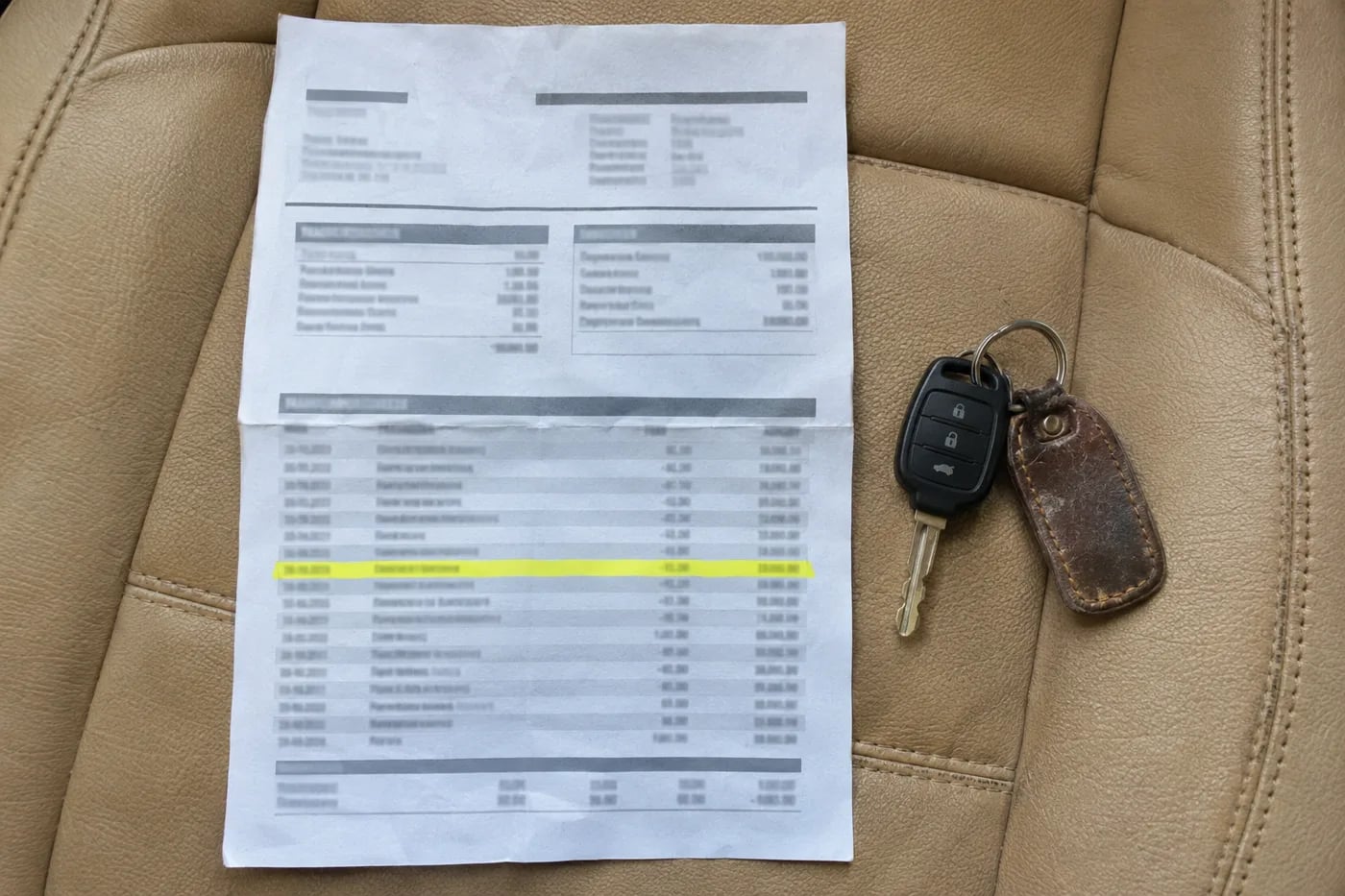
Before you ask for a waiver, ask which of the bank's own conditions you can meet. Among basic checking accounts that pay no interest, Bankrate's 2025 survey found 47% charge no monthly maintenance fee at all, and another 48% drop it for direct deposit. If you're paying one every month, you may simply be on the wrong account.
Here's what the fee costs if nobody waives it, using Bankrate's 2025 averages:
- Interest checking: $15.65 a month, which is $187.80 a year. Nearly 9 in 10 of these accounts charge one, and avoiding it takes an average balance of $10,705.
- Basic checking: $5.47 a month where there's a fee, or $65.64 a year, avoided with an average balance of $496.
These quiet fees now bring banks more than overdrafts do. Overdraft and bounced-payment fees at the larger banks roughly halved between 2019 and 2023, but monthly and ATM fees barely moved. In 2023, monthly, ATM and similar fees brought banks with more than $1 billion in assets a little more than overdraft and bounced-payment fees did: about 51% of the two combined.
Ask for this month's fee back. Then ask two questions while you have them:
- Is my account's rule a minimum daily balance, where a single low day can trigger the fee, or an average over the month?
- Does my Social Security or pension deposit count as qualifying direct deposit?
The FDIC adds that some fees disappear with paperless statements, a set number of transactions, or several accounts at the same bank. If none of those fit your life, ask which of their accounts has no condition you'd miss, and have them email you its fee disclosure.
13An out-of-network ATM fee from one wrong stop
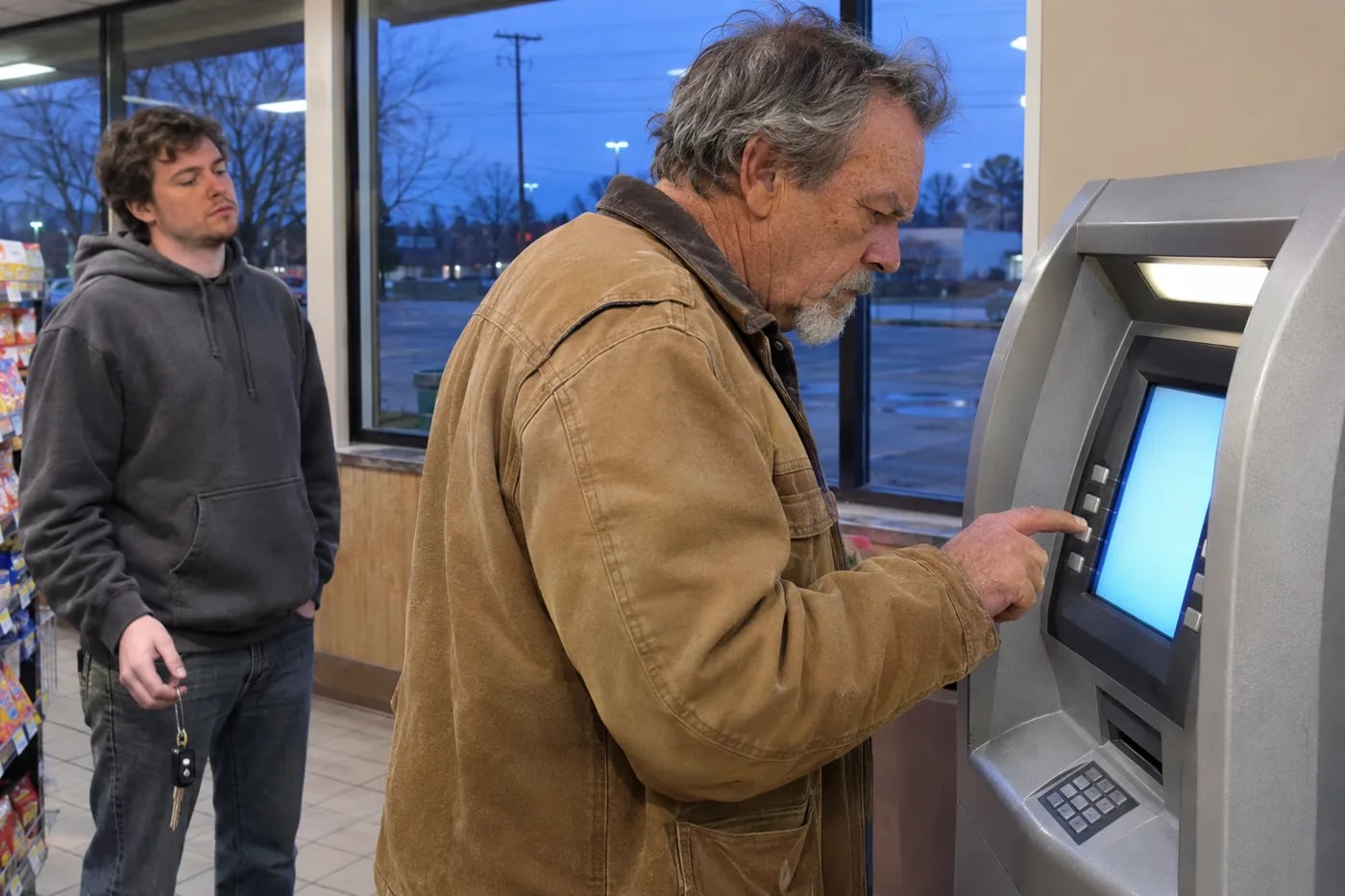
The screen asks whether you accept the fee. Someone behind you is jingling car keys. You press Yes.
That's one fee. Your own bank may add a second one later for using a machine outside its network. Bankrate's 2025 averages are $3.22 for the ATM owner and $1.64 for your bank, so $4.86 a withdrawal, a record for the third year running. Do that once a week and it's $252.72 a year to get at your own money.
Only part of that is up for grabs on the phone. The machine owner's surcharge is a separate charge. That one goes to whoever owns the machine, and you may still pay it even when your bank forgives its share.
So skip the waiver request for one $1.64 fee and ask the question the FDIC suggests instead: does your bank reimburse out-of-network ATM use? Some do, for a set number of withdrawals a year. Ally Bank says it reimburses up to $10 per statement cycle in fees charged at other ATMs on its Spending Account, so ask what the cap is and whether it covers the machine owner's charge too. One bank's senior checking (62+) charges no fee of its own on the first two outside-network withdrawals each statement cycle. That's worth knowing before the next out-of-town trip.
See more: 17 Money Rules From the 1960s Worth Bringing Back →
12A returned-item fee on a bounced payment
You may not owe this one at all. When a payment bounces, you pay a fee for the failure. Nice work if you can get it.
Most of the biggest banks have stopped charging it. The National Consumer Law Center's 2026 release says none of the 20 largest banks charges one. In the CFPB's 2023 count, 81 of the 125 banks with more than $10 billion in assets had dropped it.
Credit unions are the holdouts. In that same 2023 count, 16 of the 20 credit unions holding over $10 billion still charged non-sufficient funds (NSF) fees. That included four of the five largest. Across all the accounts Bankrate checked in 2025, 61% still had one, averaging $16.82, a record low.
That tells you how to open the call. At a giant bank, ask what this fee is, because it may not belong there. At a credit union or smaller bank, ask for the fee waiver the same way you would for an overdraft.
Ask about every fee from the same mistake in one call, so nobody gets to treat them as two separate favors.
The company you were paying may add its own returned-payment fee. Even one big bank that charges nothing for a returned item warns that the payee may still charge. Your bank can't remove that one, so it's a second call, to the company.
11Several overdraft fees piled up in one day

A $4 coffee. A $9 parking garage. A $12 lunch. A $6 streaming renewal you forgot about. If your balance was already short, each one can bring its own overdraft fee of around $35.
Banks do cap how many they'll charge in a day, and the cap is where your call starts. One big bank stops at three a day at $35, so $105. One small bank's fee schedule allows four a day at $37, which is $148 for that same lunch-and-parking afternoon. The CFPB has noted that fees up to $37 each can add up to hundreds of dollars a day.
The FDIC's guidance for the banks it supervises says they should set daily limits on overdraft fees and shouldn't process transactions "in a manner designed to maximize the cost to consumers." It also asks banks to consider dropping fees on tiny overdrafts. One big bank already charges nothing on items of $10 or less.
So ask about each fee separately:
- Did any fee go past the daily limit?
- Were any of them on purchases of a few dollars?
- Which order did the bank post them in, and would a different order have meant fewer fees?
If those were debit card swipes, go back to the opt-in question in #15.
10A paper statement fee for wanting paper

You like a statement you can hold, fold and file.
Regions charges $3 a month more for paper ($36 a year): its account for customers 62 and over costs $8 a month with online statements and $11 with paper. Pinnacle charges $2 per paper statement but waives it for "account holders 55 years of age and older."
That age waiver is the call. Ask: "I want to keep paper statements. Do you waive the paper statement fee at my age, or for any balance I could keep?"
If you'd honestly rather have email, the FDIC notes that paperless statements can remove some fees entirely.
See more: 17 Penny-Pinching Tricks Our Grandmothers Swore By →
9A stop payment fee on a lost check
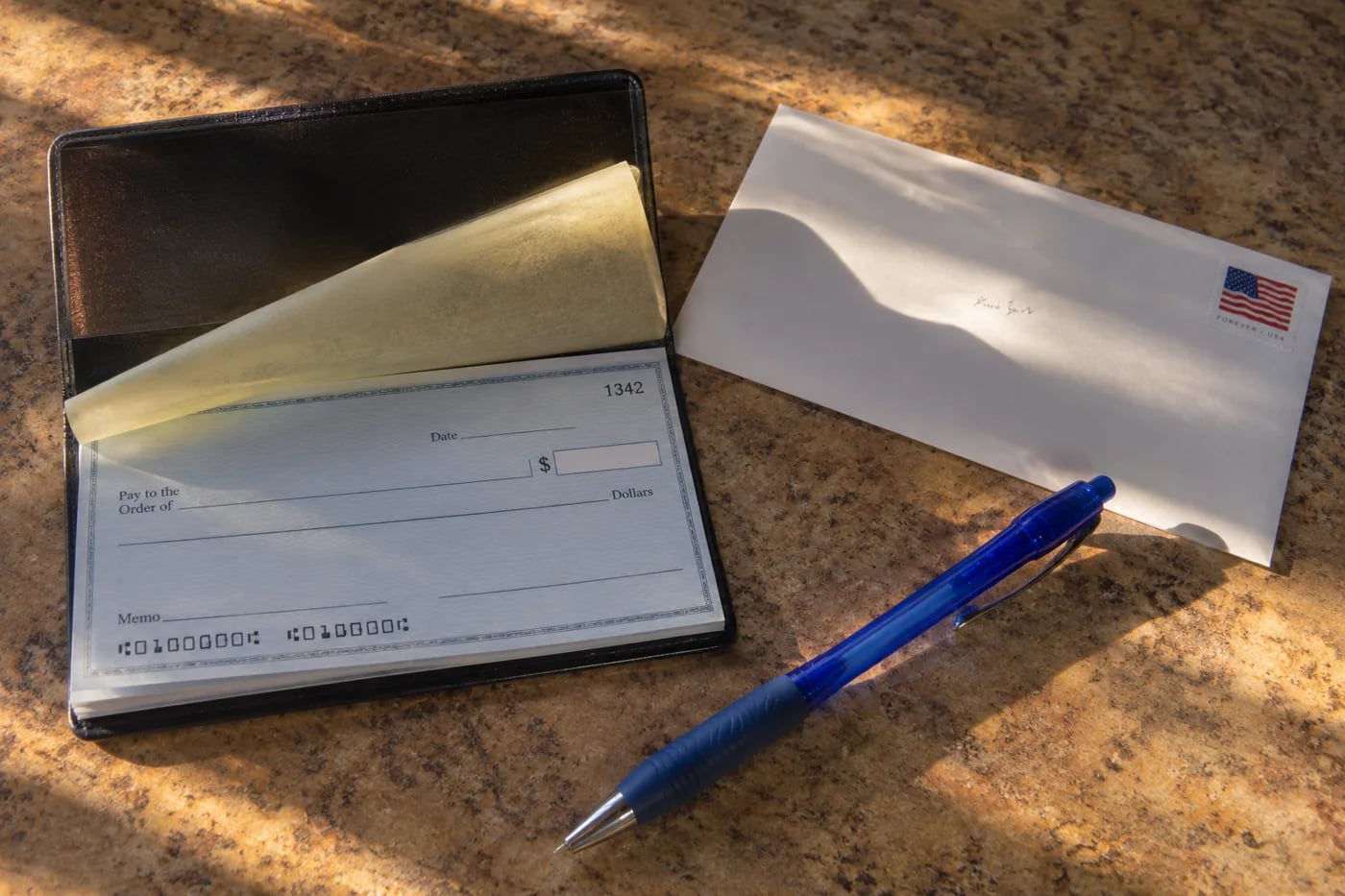
The check you mailed never showed up, and now you have to cancel it. The CFPB says banks and credit unions generally charge for stop payment orders. At two small banks we checked, it's $35 a check at one, and $36 at the other, or $20 if you place the stop online. Those are examples, not national rates, but they show the first thing to ask about: whether doing it yourself online is cheaper.
Ask for a waiver if you've been a customer a long time.
The real money is in automatic payments, like a gym, a magazine or an old phone plan that keeps pulling from your account. Withdraw permission from both the company and your bank. Under federal rules you can tell the bank by phone or in writing at least three business days before the payment is scheduled. The bank may ask you to confirm in writing within 14 days of a phone request, so ask whether it needs that and do it.
The stop order itself may still cost a fee. But once you've withdrawn permission from both, the CFPB says later payments from that company are errors, and you can ask your bank for a refund. That gives you a much stronger request than asking for a favor.
8A fee for someone else's bad check
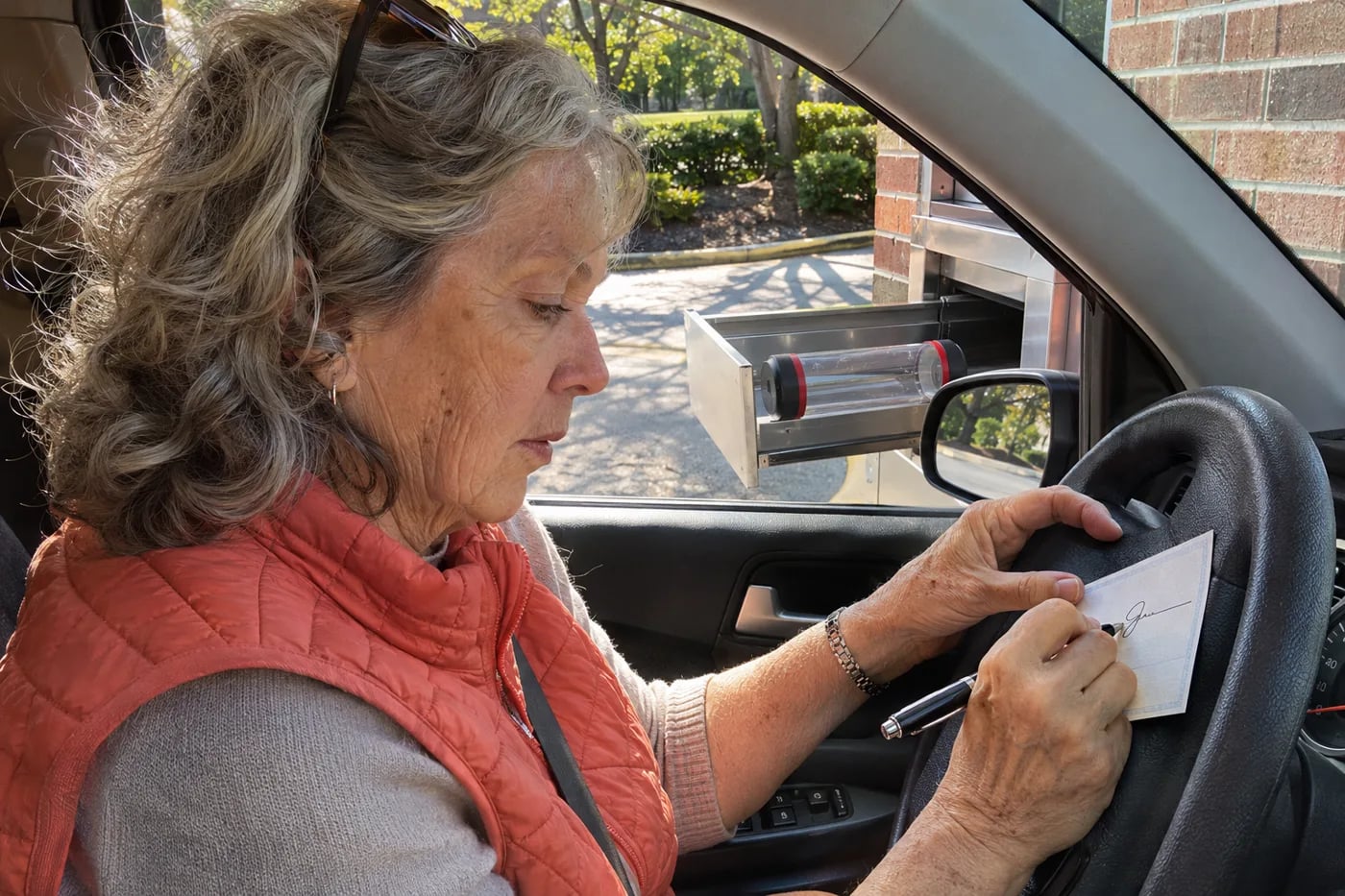
You deposit a check from someone who bought your old lawn mower. It bounces. Then your bank charges you for it.
Fees like this exist, and they're not always small. One small bank charges $8 for each returned deposited item, and another lists a $20 "chargeback fee." Those come from two banks' fee schedules, not a national norm. One big bank lists no fee for a returned deposited item.
You have a fair argument, and it's short: "I deposited that check in good faith. The person who wrote it bounced it, not me. Can you remove the fee?"
7A fee for closing a new account early
Here's a catch for anyone switching banks to escape fees: the new account may charge you for leaving too soon. One small bank charges $25 if you close within 90 days, and another charges $35 within 180 days of opening.
If no monthly fee runs on the account, waiting until the window ends avoids the closing fee. Leave the account open with a few dollars in it until day 91 or day 181. If a monthly fee does run while you wait, three months of it could cost more than the closing fee.
If the fee does apply, don't just close and pay. The FDIC suggests asking whether the bank has an account without the fee that's bothering you, so moving to a different account at the same bank might fix the problem without closing anything.
Before you open anything new, ask for the date the early closing fee stops applying, and write it on your calendar.
6An inactivity fee on a forgotten account

There's the account you opened for a car loan, a job or a better rate, and then stopped using. Some banks charge for that silence. One small bank charges $10 a month after a year with no activity, and another lists a $10 dormant account fee.
Call and ask for the inactivity fee to be refunded, since the bank did nothing for it. Then ask what counts as activity, so you know what keeps the fee from coming back, or simply close the account and move the money.
The bigger surprise is money you've forgotten entirely. Every state requires banks to hand abandoned accounts over to the state, the FDIC says, usually after three to five years. Abandoned safe deposit box contents can go too.
Searching is free on official state sites. MissingMoney.com, run by the association of state unclaimed property administrators, searches the participating states at once.
If you're looking for a relative's account, the bank or state may ask for a power of attorney, a death certificate or a court appointment as executor. Gather those before you start the claim.
5A CD early withdrawal penalty after a death
A certificate of deposit, or CD, locks your savings at a set rate for a set term, and taking money out early costs you. At one bank, the penalty on its retirement account CDs runs from 60 days of interest on terms of two years or less to 150 days on terms of five years or more.
Federal rules let a bank pay out a CD early without the penalty when any owner dies, when a court finds an owner legally incompetent, or from an IRA once the owner reaches 59½. The rules allow the waiver but don't require it. That's why you ask.
If you're settling a CD after an owner has died, say so on the first call and ask: "Will you waive the early withdrawal penalty because the owner has died?"
There's another opening for IRA CDs. That same bank also waives its penalty on partial withdrawals up to your required minimum distribution, the amount the IRS makes you take out each year once you reach a certain age. The IRS says your first one is for the year you turn 73, and you can wait until April 1 of the next year to take it. If your IRA money sits in a CD, ask whether that yearly withdrawal can come out penalty-free.
4A credit card annual fee at renewal
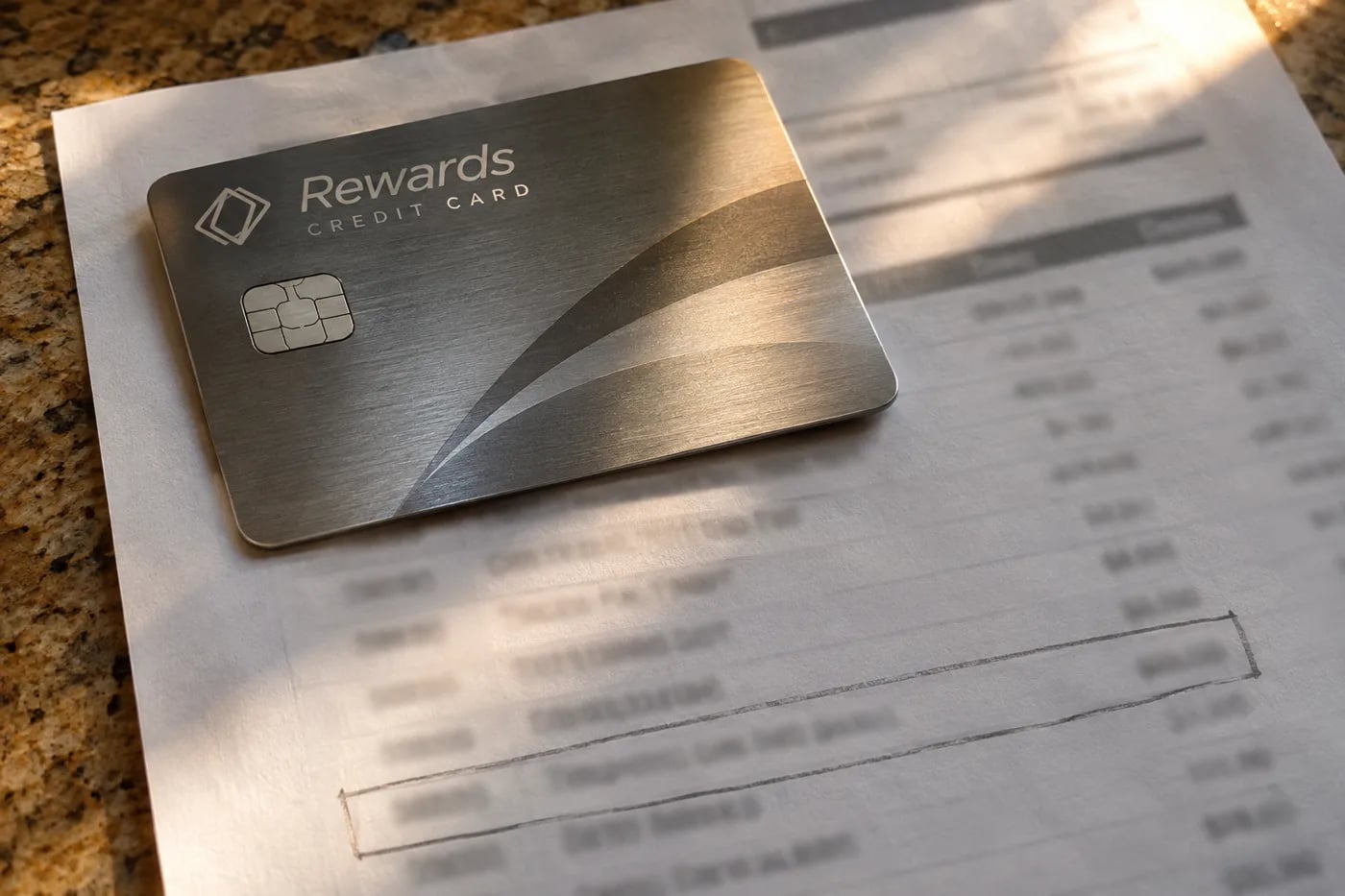
The fee shows up on the statement for the month your card turns another year older, a few lines below a cheerful note about your rewards.
In LendingTree's 2026 survey, 94% of people who asked got an annual fee waived or reduced. But "or reduced" matters. In 2025, about three in four got the whole fee waived, and about one in five got it cut.
Asking for the retention department is one approach. A CNBC Select reporter, Alexandria White, asked for them right away on her third try and mentioned she was weighing a competitor's card. In about 20 minutes she got an offer of 10,000 points for spending $1,500 in three months, which she figured was worth $60 to $100. The fee itself stayed.
Do the math before you say yes to points. That offer only pays if you'd put $1,500 on the card in those three months anyway.
Try: "I'm thinking about canceling because of the annual fee. Can you waive it, or what can you offer me to stay?"
3A first late fee on a credit card
In LendingTree's 2026 survey, 92% of cardholders who asked got a late fee waived, up from 89% in 2025.
You may have heard late fees were capped at $8. That rule never took effect. A federal court in Texas threw it out in April 2025.
A different rule still stands. A card company can't charge a penalty fee bigger than "the dollar amount associated with the violation." For a late payment, that's the minimum payment that was due. If your minimum was $15, the late fee can't be more than $15. Check yours against the statement.
Say: "I've always paid on time, and this one slipped past me. Can you waive the late fee as a first-time occurrence?" Then pay the bill during the same call, if you haven't yet.
2Overdraft fees caused by a fraudulent charge

If a charge you didn't make pushed your account under and set off fees, you're not asking a favor. Once the bank confirms the error, federal rules say fixing it includes "the refunding of any fees imposed by the institution." The bank has 10 business days to investigate, or it can put the money back provisionally and take up to 45 days.
The clock is on your side of the counter too:
- Report an unauthorized withdrawal within 60 days of when the bank sends the statement that shows it. Wait longer, and you could be stuck paying for later unauthorized charges.
- Report a lost or stolen debit card within two business days of noticing, and the most you can lose is $50. Later, it can be up to $500.
- "Unusual circumstances," such as long travel or a hospital stay, can extend those deadlines. If that's why you were late, tell the bank.
Banks don't always follow their own paperwork. In a WCVB report from Boston, Dworsky, who is also a former Massachusetts assistant attorney general, took up the case of a Massachusetts woman who reported a debit card charge of about $2,800 she didn't recognize. The bank credited her, then took the money back and said she'd authorized it.
Dworsky pointed to the bank's own account agreement, which, as he described it, says a customer can't lose money on an unauthorized purchase made without a PIN if it's reported within 60 days, and she had reported it in time. "They didn't follow their own rules about what you do for an unauthorized charge," he said.
So find your account agreement, find the paragraph on unauthorized charges, and read it to them.
1Checking that drops the fee at 55 or 62

Every item above is a call you might have to make again. This one can end some of the monthly-fee calls. Some banks and credit unions write a birthday right into the fee schedule, and you may be past it.
What a few of them offer:
| Account | Age | What you get |
|---|---|---|
| One large bank's basic checking | 62+ | $5 monthly fee waived, $0 overdraft fees |
| One bank's senior checking | 62+ | No monthly fee, no per-check charges, $100 to open, no interest |
| One credit union | 55+ | No monthly fee or minimum, free checks for life |
| Another bank | 55+ | Monthly fee waived at 55+ on two checking accounts; free checks in select styles |
| One regional bank's 62+ account | 62+ | $8 to $11 a month unless you keep $1,500 average or have qualifying direct deposit |
That last row is the warning. "Senior" on the label doesn't mean free. Read the fee disclosure, and pick the account whose condition you can actually meet.
Start with your own bank, since the FDIC suggests asking whether it has an account without the fees you're paying. Ask: "Do you have a checking account with no monthly fee for someone my age?"
At that large bank in the first row, the age waiver goes by the account owner's birth date. If you handle money for someone else as a trustee or representative payee, your own age doesn't count at that bank. The CFPB's guides on managing someone else's money explain each of those roles.
Once you've switched, keep the account agreement. If a fee shows up that the agreement says you shouldn't pay, you'll have the page to point to. And at that large bank in the first row, the overdraft fee from #15 is $0.
The bottom line
Pick one recent statement, any month, and find every line with the word "fee" in it. Call about the biggest one first. If it's a monthly fee, skip the one-time waiver and ask for a different account.
And make your case well the first time. A bank worker commenting on TikTok says you don't have to call back, because a clear case made the first time usually gets the fee refunded.
Up next
17 Things Bank Tellers Wish You Would Stop Doing
From a cash withdrawal "trick" that's really a federal crime to the yearly dollar cost of a sleepy checking account, these are the things bank tellers wish customers would stop doing, and what each one costs you.
Read the list →
Bonus: Four checks the bank won't remind you about
- Keep a fee log: date, fee, amount, and the answer you got.
- If you switch to paperless statements to dodge a paper fee, set a monthly reminder to open them. The 60-day fraud clock starts when the bank sends the statement, read or not.
- Before you close any account, list every automatic payment and deposit that touches it and move those first. A payment that is returned unpaid may bring a fee from the company you owed.
- Search unclaimed money under every name you've ever banked under, in every state you've lived in, not just where you live now.
Questions people also ask
Does asking your bank to waive a fee actually work, and what should I say?
The FDIC itself tells you to call and ask, especially if you've had few fees. For credit cards, LendingTree's 2026 survey found 92% of late-fee requests were granted, and 94% of annual-fee requests were waived or reduced. Name the fee, its date and amount, mention your history as a customer, and say how you'll prevent a repeat. If the answer is no, ask for a supervisor or an account without that fee.
How many times can I ask my bank to waive a fee?
Fee waivers are at the bank's discretion. Bank staff on Reddit report that about once a year is treated as fine and that monthly requests get refused. The FDIC's guidance to banks treats more than six overdraft fees in 12 months as a pattern that calls for offering you a cheaper option.
What can I do if my bank refuses to refund a fee?
Ask for a supervisor or a no-fee account, and if that fails, file a complaint with the CFPB at consumerfinance.gov/complaint or (855) 411-2372. Most companies respond within 15 days, and some take up to 60. You can also go to your bank's own regulator, which you can look up on FDIC BankFind, or to the NCUA for a credit union. If the fee came from a fraudulent charge, the bank must refund it once it confirms the error.
Do banks still charge insufficient funds fees?
Some do. Bankrate found 61% of accounts still had one in its 2025 survey, averaging $16.82, though the National Consumer Law Center says none of the 20 largest banks charges one. In the CFPB's 2023 count, 16 of the 20 credit unions holding over $10 billion still charged them, including four of the five largest.
Are there checking accounts with no monthly fee for seniors?
Yes, several banks and credit unions drop the monthly fee at 55 or 62 and over. One credit union offers no fee and free checks at 55, and one large bank waives its $5 fee at 62. Some accounts labeled for seniors still charge $8 to $11 a month unless you meet a balance or deposit condition, so read each fee disclosure.
How do I know a fee was refunded on my statement?
Look for a separate credit line that matches the amount of the fee. The wording differs from bank to bank. One bank, for example, shows waived overdraft fees as waived and forgiven in your transaction history and on the statement, and also sends an email and an app alert.
Did any of these feel familiar?
Know someone who needs this?
Sources cited in this article
This article links to 38 outside sources, listed here so you can read them yourself.
- Tells you to call your bank and ask it to waive fees www.fdic.gov/consumer-resource-center/2021-12/overdraft-and-account-fees
- 2025 fee study www.bankrate.com/banking/checking/checking-account-survey
- Forgive the fee on their own www.usbank.com/bank-accounts/checking-accounts/checking-customer-resources/o…
- Overturned by Congress in 2025 www.consumerfinancemonitor.com/2025/05/12/trump-signs-resolution-nullifying-…
- Over $12 billion in overdraft and NSF fees www.nclc.org/overdraft-and-nsf-fees-rise-above-12-billion
- "being polite and asking for help is likely to get you further" www.credit.com/blog/how-to-get-bank-fees-reversed-92818
- Reddit www.reddit.com/comments/8a9hov
- Barely moved www.consumerfinance.gov/data-research/research-reports/data-spotlight-overdr…
- 2023 count www.consumerfinance.gov/data-research/research-reports/vast-majority-of-nsf-…
- Warns www.wellsfargo.com/checking/overdraft-services
- Guidance for the banks it supervises www.fdic.gov/news/financial-institution-letters/2010/overdraft-payment-progr…
- $11 with paper www.regions.com/personal-banking/checking/senior-checking-account
- Waives it for "account holders 55 years of age and older." www.bankpinnacle.us/personal-banking/checking
- Generally charge for stop payment orders www.consumerfinance.gov/ask-cfpb/how-do-i-stop-automatic-payments-from-my-ba…
- At least three business days www.consumerfinance.gov/rules-policy/regulations/1005/10
- One big bank lists no fee www.wellsfargo.com/mobile-online-banking/service-fees
- FDIC says www.fdic.gov/consumer-resource-center/2020-12/how-find-long-lost-bank-accoun…
- MissingMoney.com unclaimed.org
- 60 days of interest www.ally.com/help/bank/ira-hycd
- Let a bank pay out a CD early without the penalty www.law.cornell.edu/cfr/text/12/204.2
- Your first one is for the year you turn 73 www.irs.gov/retirement-plans/retirement-plan-and-ira-required-minimum-distri…
- 2026 survey www.fox5ny.com/money/credit-cardholders-lower-interest-rates-waived-fees-len…
- 2025 www.lendingtree.com/credit-cards/study/lower-apr-ask
- Asked for them right away on her third try www.cnbc.com/select/how-to-ask-your-credit-card-company-to-waive-your-annual…
- Threw it out in April 2025 bankingjournal.aba.com/2025/04/court-vacates-cfpb-credit-card-late-fee-rule
- Can't charge a penalty fee bigger than www.consumerfinance.gov/rules-policy/regulations/1026/52
- "the refunding of any fees imposed by the institution." www.consumerfinance.gov/rules-policy/regulations/1005/11
- Within 60 days www.consumerfinance.gov/ask-cfpb/how-do-i-get-my-money-back-after-i-discover…
- WCVB report www.youtube.com/watch?v=S-aiz8MFpgI&t=101s
- No monthly fee www.eastwestbank.com/en/personal-banking/senior-checking
- No monthly fee or minimum www.insightcreditunion.com/bank/checking/senior-checking
- Guides on managing someone else's money www.consumerfinance.gov/consumer-tools/managing-someone-elses-money
- Reddit www.reddit.com/comments/o1lnlm
- Consumerfinance.gov/complaint www.consumerfinance.gov/complaint
- FDIC BankFind banks.data.fdic.gov/bankfind-suite/bankfind
- HelpWithMyBank.gov www.helpwithmybank.gov/help-topics/complaints-inquiries/filing-complaints/co…
- NCUA mycreditunion.gov/about/consumer-assistance-center/complaint-process
- Commenting on TikTok www.tiktok.com/@johnsfinancetips/video/7027212873189362950

Jheremy Raquel (JR) Agabao
Editor
JR Agabao edits PennySaver USA. With a working background in bookkeeping and HR, she checks the prices, rules and fine print in every guide before it reaches readers.
More from Jheremy Raquel (JR) Agabao

16 Things Black Friday Antivirus and VPN Deals Won't Tell You Before You Buy
22 min read
Most read
- 115 Bank and Card Fees Worth One Phone Call to Get Waived
- 215 Things to Know About the Best Bank Account Bonuses That Can Beat a Black Friday Sale
- 316 Things Black Friday Antivirus and VPN Deals Won't Tell You Before You Buy
- 412 Places to Keep Your Savings Other Than a Big-Bank Account, and the Catch With Each