






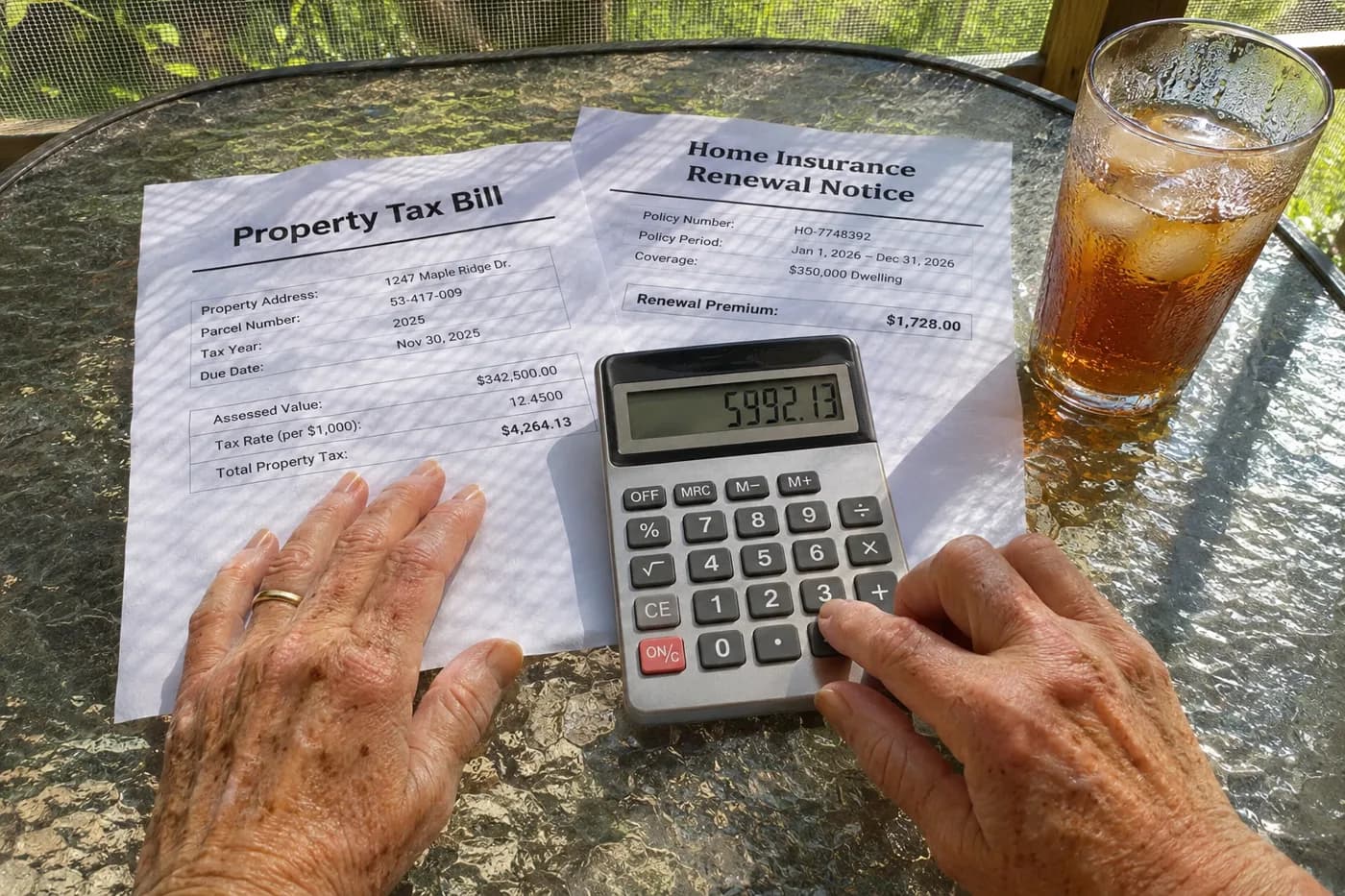

17 Money Rules From the 1960s Worth Bringing Back
From the cash envelope to the coffee can, here's which old money habits from the 1960s still cut your bills today, and which ones need resizing for retirement.

By Jheremy Raquel (JR) Agabao, Editor
Updated · 21 min read
- Written by our editor
- Cited 56 sources
- How we review
This is general information, not financial, tax or legal advice for your situation. Read our full disclaimer
The rainy day fund (#1) guards against the biggest single risk in retirement: being forced to sell investments in a downturn. You probably already follow it, just at a size meant for people still drawing a paycheck.
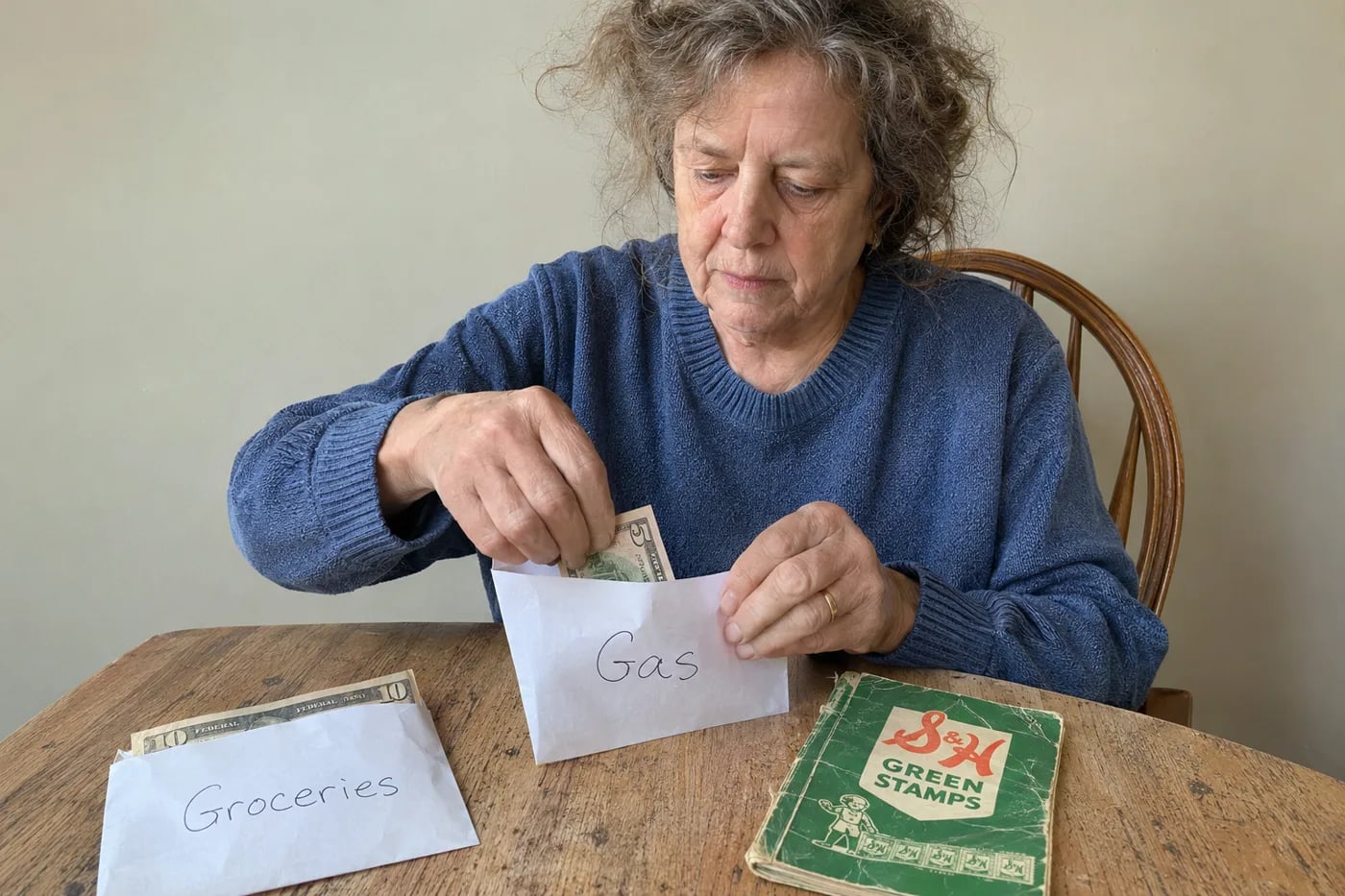
You can probably still taste the gummy back of an S&H Green Stamp. Fifty points to a page, 1,200 points to a book, licked one sheet at a time. Nobody was being cheap. In 1960-61, food and clothing took about a third of household spending, so that's where the thrift went. By 2025 the two took about 15%, and housing's share had grown. Some of the old money habits from the 1960s still pay at those prices. Some need resizing. A couple you can finally drop.
17Cash in labeled envelopes on payday
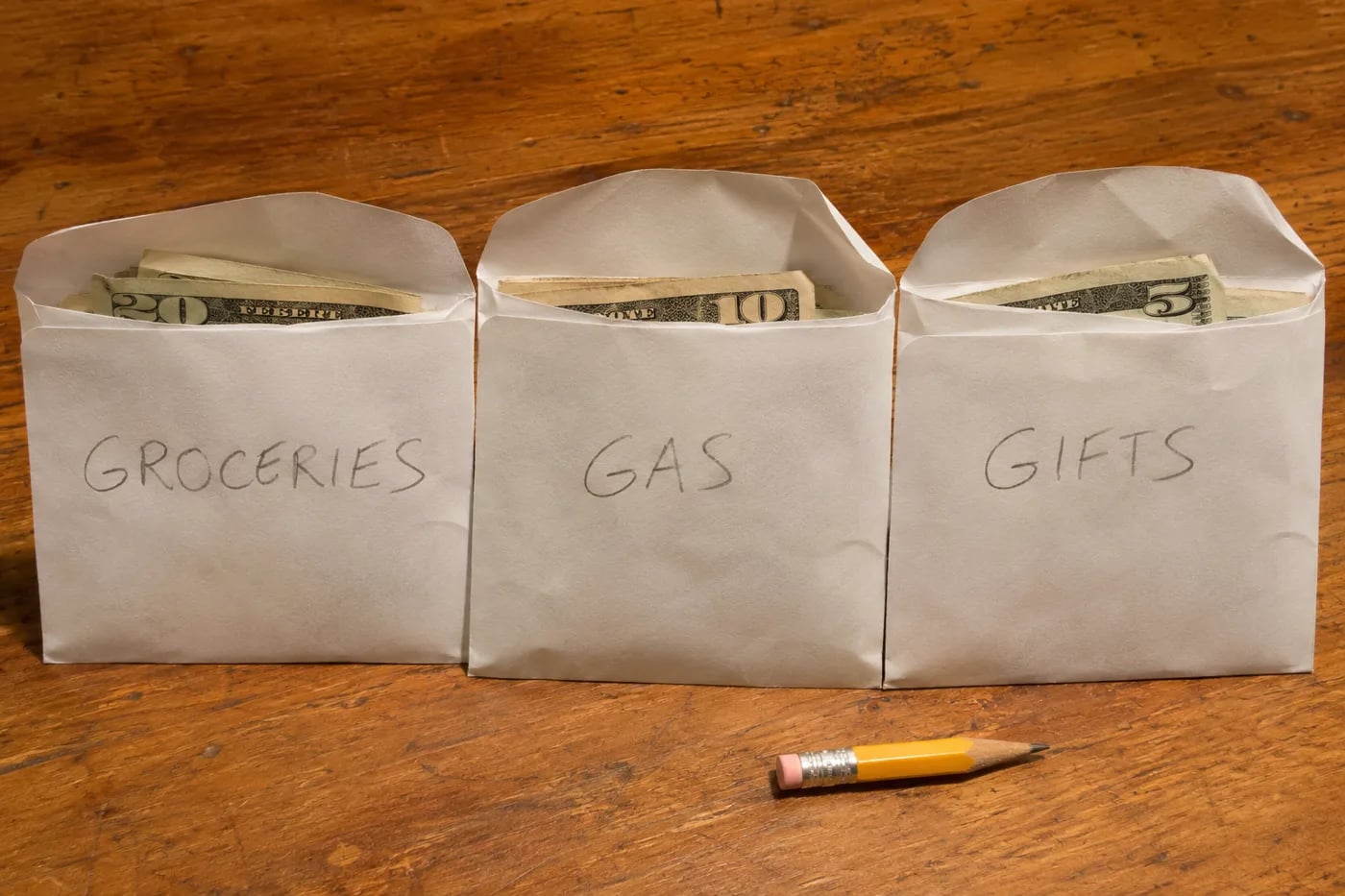
Payday used to have a ritual. The cash came home, the envelopes came out, and somebody wrote GROCERIES and GAS across the fronts in pencil. When one ran dry, that was that.
That last part is the whole trick, and it's the part people skip when they try the cash envelope system now. Capital One lays out the modern version in three steps: list your expenses, pay the fixed bills by check or online bill pay, and withdraw the cash and divide it into labeled envelopes by category.
Then the stopping rule, in Capital One's own words: "When the envelope's empty, you're done spending in that category for the month."
Not "I'll borrow twenty from the gas envelope." Done.
A credit card will never do that for you. It will cheerfully let you spend the gas money on groceries and the grocery money on a sweater, then mail you the news a month later.
Where it trips: anything bought online, since a website won't take a twenty. That's why step 2 exists. Keep the envelopes for what you buy in person: groceries, gifts, haircuts, lunches out. Let the checking account handle the rest.
Cash has two costs of its own. Lose an envelope and the money is simply gone, because the federal limits on what you lose with a stolen debit card don't cover cash. And get it from your own bank's machine: Bankrate found an out-of-network ATM withdrawal cost $4.86 on average in 2025.
16Balancing the checkbook every month
"My parents would spend a full day balancing their checkbook." A commenter on Reddit's r/AskOldPeople
You may remember it too. The check register with its tiny columns, a sharpened pencil, the statement spread out on the dining table, and the groan when the two came out 43 cents apart.
Nobody needs a full day anymore. But balancing the checkbook did a job most people have quietly stopped doing: catching the bank's mistakes. And there's a federal clock on that.
Under federal rules for debit cards and other electronic transfers, you have to report an error no later than 60 days after the bank sends the statement where it first shows up. The bank then has 10 business days to look into it, or up to 45 if it puts a temporary credit in your account while it does.
Miss that window with a lost or stolen debit card, and it gets expensive. Here's what the FDIC says you can be on the hook for:
| You report the lost card | Most you can lose |
|---|---|
| Within 2 business days | $50 |
| Within 60 days of the statement | $500 |
| After 60 days | Possibly the full amount |
If a thief used only the card number and the card never left your wallet, you owe nothing, as long as you report it within 60 days.
So shrink the ritual instead of dropping it. Read every line of every statement the week it arrives, and call about anything you don't recognize while the 60 days are still running.
15Sunday roast turns into Monday's sandwiches

Sunday it was a roast with the good gravy. Monday it was cold slices on white bread, folded into waxed paper. Tuesday the bones went into a pot with whatever carrots had gone soft. By Wednesday it was hash, and the roast was a rumor.
That was cooking at home and stretching meals as one plan, made on Sunday. The country has mostly lost the knack. The EPA says 30 to 40 percent of the food supply is never eaten. By 2019, food waste had risen to 349 pounds per person a year, against a national goal of 164 pounds by 2030.
Food is a smaller slice of the budget than it was in 1960. Still, the average household spent $6,491 on groceries in 2025, and every pound tossed came out of that.
The habit works best planned backward. Decide on Sunday what the bones become on Tuesday.
If you cook for one, a roast is a lot of roast. The freezer does the work Wednesday's hash used to: portion it the night you cook it, before it becomes the container you find in March. The USDA says to eat or freeze cooked leftovers within 3 to 4 days, and frozen food tastes best within about 2 to 6 months.
14Eating out only on birthdays and anniversaries

When did dinner out stop being an event?
In the 1960s it took an occasion. You dressed for it, the menu came in a padded folder, and the relish tray felt like a splurge. In 1960, meals away from home took 26.3% of America's food spending. By 2004, eating out had passed groceries.
In 2025 the average household spent $4,142 a year on food away from home. That's about $345 a month, and 39% of everything it spent on food.
The birthday-only rule doesn't need to come back whole. Food takes far less of your money than it did, and plenty of meals out are worth every cent.
What the old rule did was make every dinner out a decision instead of a default. If $345 a month sounds right to you, it's your money and your evening. If it sounds like a number you'd never have guessed, that's the part to bring back: pick which nights count, and count them.
13Layaway instead of charging it
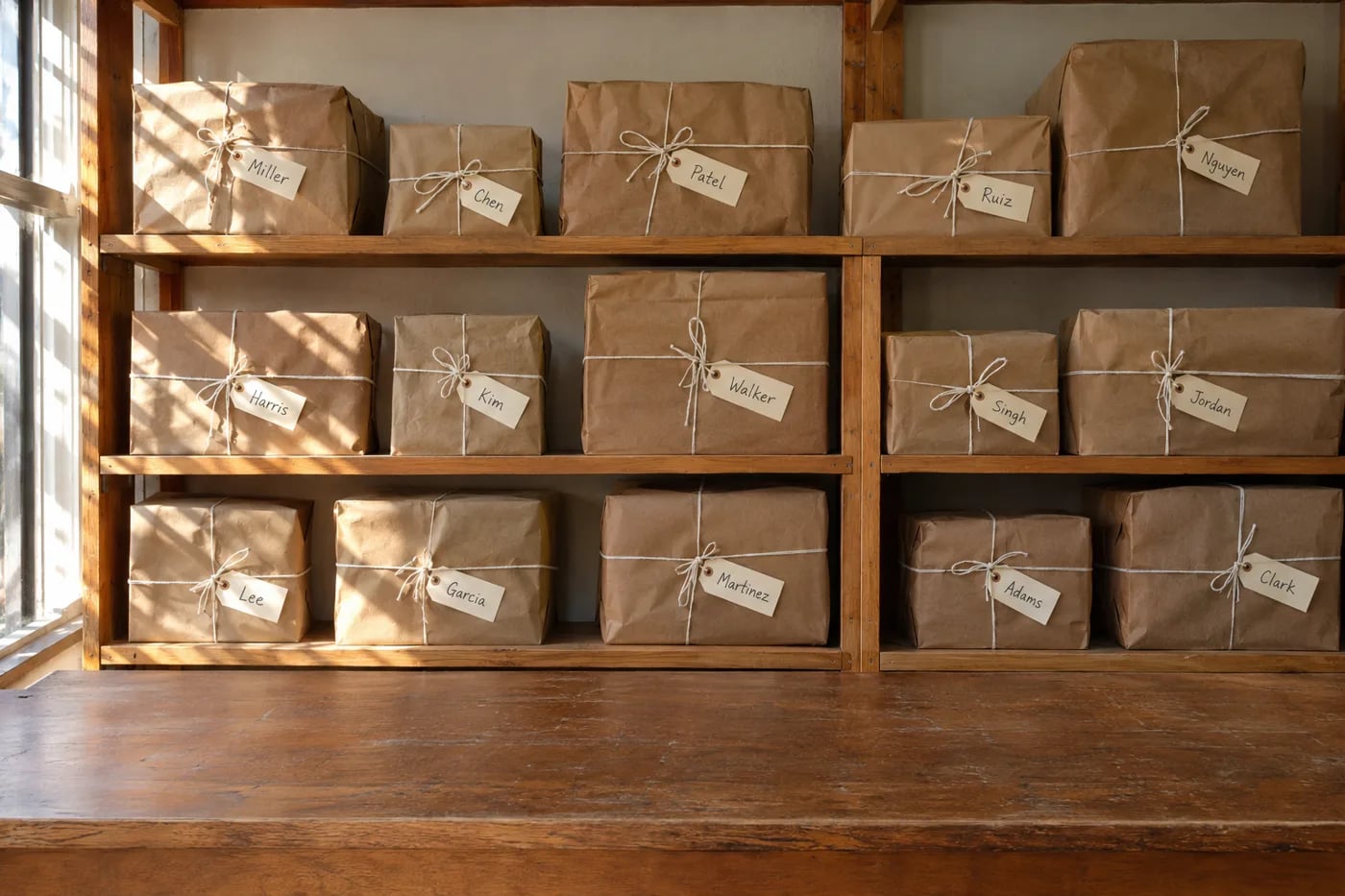
The layaway counter sat at the back of the store, with its shelves of brown-paper bundles tagged with last names. You paid a little each week, and the thing you wanted waited for you until it was yours outright.
Slow, yes. Also one of the cheapest ways to buy anything. When Walmart brought layaway back for the 2011 holidays, the terms on toys and electronics were 10% down and a $5 service fee, plus $10 if you cancelled.
Put the same purchase on a credit card and carry it, and the bank charges rent on its money. In the third quarter of 2026, the average rate on card accounts that paid interest was 22.36%. Carry $1,000 for a year at that rate and you pay about $224 in interest, or roughly 45 layaway fees.
The newer cousin is buy now, pay later: a purchase split into a few installments at checkout, often four. Each one looks harmless. Together they stack. CFPB researchers found that in 2022, 63% of these borrowers had more than one loan open at once, and one in five took out more than one a month.
That's a second credit card nobody bothered to issue you.
Plenty of stores don't offer layaway, so run your own. Set aside a weekly amount in savings and buy when it's there. You wait, the way you waited at the back counter, and the waiting costs you nothing.
12The clothesline instead of the dryer

Wooden clothespins in a cloth bag on the line. Sheets snapping in the wind. That smell when you carried them in.
Line-drying laundry saves a real, countable amount. At the August 2026 average electricity price of 18.16 cents a kilowatt-hour, a 10-pound load in an electric dryer that meets the ENERGY STAR efficiency standard costs about 46 cents. At four loads a week, hanging them saves about $96 a year.
An older dryer that never earned the label likely burns more, so your number could run higher.
Is $96 worth it? On a sunny day with a yard, easily. In a northern January, a folding rack indoors does the same job without the frozen towels.
If you rent or live under a homeowners association, the first question is whether you're allowed. In Florida, your city or county at least can't stop you: any local ordinance "which prohibits or has the effect of prohibiting the installation of solar collectors, clotheslines, or other energy devices based on renewable resources is expressly prohibited."
A lease or association has its own rules wherever you live, so read yours before you string up a line.
11A backyard vegetable garden

The victory garden never left. It just shrank and started producing more zucchini than anyone asked for.
Here's an actual number in place of "it's cheaper." An Oregon State University analysis, cited by the University of Missouri, put the average garden's yield at 74 cents worth of produce per square foot. A 200-square-foot plot, about 10 by 20 feet, works out to roughly $148 of food a year. The National Gardening Association estimates a well-kept garden at about $500 a year.
Neither figure subtracts your labor. Be honest with yourself about that.
The 1960s garden was sized to carry a household into winter. The one that pays in retirement is smaller and grows only what you'd otherwise buy. A row of something you love beats a quarter acre of something you'll end up leaving on the neighbors' porches.
10One family car, kept until it quit

"We'll drive it till the wheels fall off" wasn't a joke in the 1960s. It was the plan.
It's still a good one, and AAA did the math in 2026. Owning and running a new vehicle costs $12,863 a year on average, about $1,072 a month, once depreciation, gas and upkeep are counted. The biggest piece is depreciation, at $4,422 a year: the value a car loses just by sitting in your driveway being new.
That's AAA's figure for the first five years and 75,000 miles. Keep a paid-off car past that, and there's no new one losing $4,422 a year on your behalf.
If there are two cars at your house, that second one is a question worth $12,863 a year if it's new. Even an old one still needs insurance and upkeep.
Where this won't work: if the bus doesn't come anywhere near you, a second car may simply be the price of getting places. Then keep the other half of the rule and drive it until it quits.
9The library card instead of buying

Remember the paper pocket glued inside the back cover, and the due date stamped in purple ink?
The library card still beats buying, and now it reaches your phone and TV. OverDrive, the company behind Libby, says libraries lent 820.5 million digital titles worldwide in 2025: 379.4 million ebooks, 315.9 million audiobooks, and 29.9 million video plays through its Kanopy service.
The free buffet does have portion sizes. At LA County Library, for one, Libby lets you borrow up to 15 items at a time, while Hoopla cut its monthly limit from 8 to 5 on Jan. 1, 2026.
Check your own library's limits before you pay for the next audiobook.
8Shopping around for a better rate

In 1968, a three-minute call from New York to San Francisco cost $1.70. Jay Zagorsky, a senior lecturer in economics at Boston University, puts that at about $12 in modern money. No wonder somebody always hovered by the phone making the wrap-it-up sign.
Phone bills hurt then, so people shopped around for a better rate. They still hurt. Only now they're phone, internet and cable bills, and they renew themselves quietly every month.
In a Reddit thread about a couple in their 60s facing a layoff, several commenters gave the same first move: cut the recurring bills, starting with phone, cable and pest control. One, an adult child who'd done it for their own parents, explained the trap:
"But in general, cable sells you on an introductory offer and then jacks up the rate after the promo period." An adult child who cut their parents' bills, on r/personalfinance
Asking works more often than the cable company would like. In a 2018 Consumer Reports survey of more than 176,000 members, 70% of people with TV and internet bundles had tried to negotiate, and 80% of those got at least one perk. Nearly a third landed a new promotional rate. The median bundle bill was $186 a month.
For home internet, you now get help in writing. Federal rules require providers to show a label before you buy that marks any introductory rate next to the price you'll pay once it ends.
Find that label or your last bill. Write down the date the promo ends, and call a week before it does. If they won't budge, that's when you start shopping around.
7A mortgage paid off before retirement
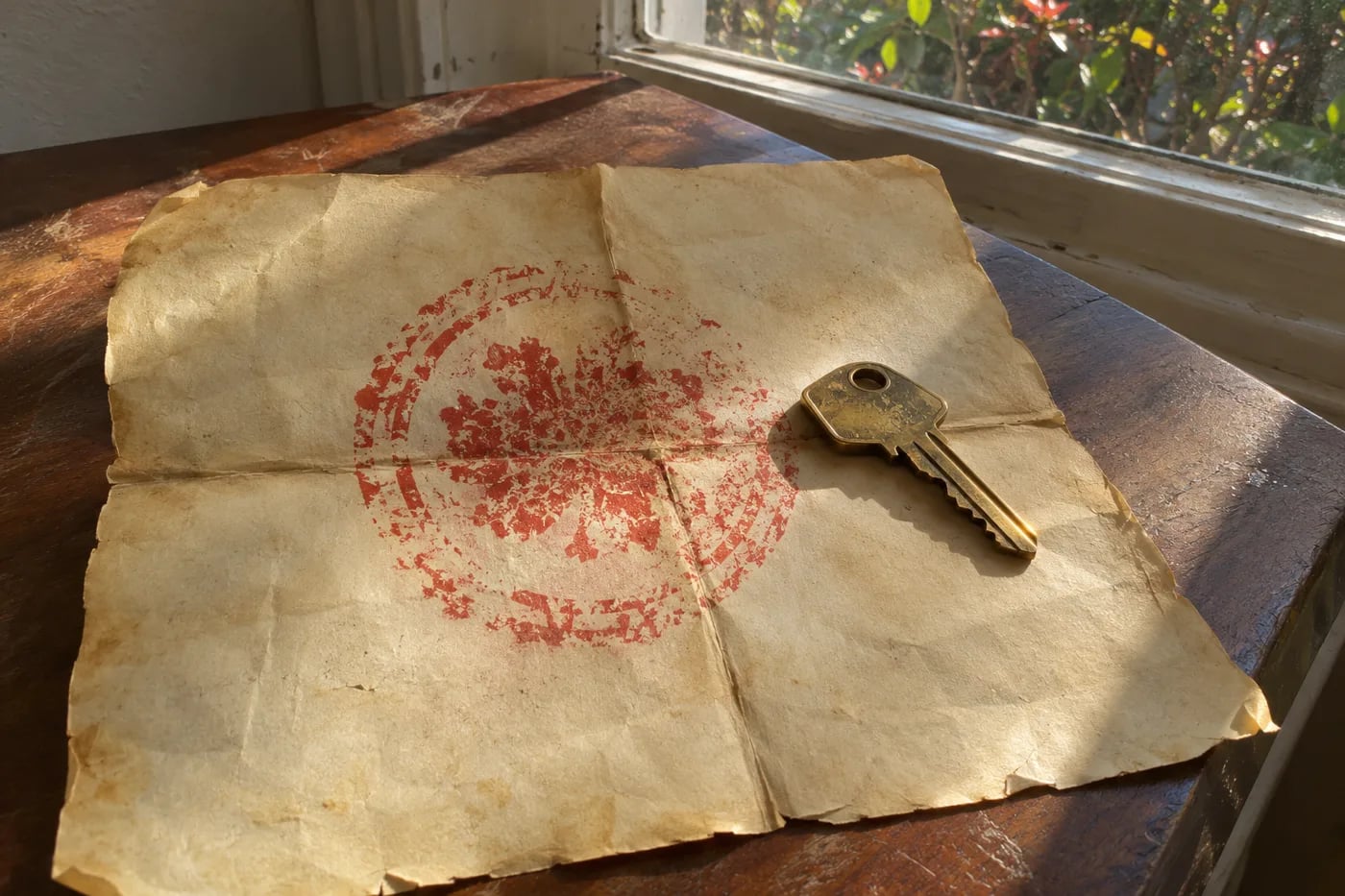
You may remember a mortgage-burning party. Friends over, the papers held above an ashtray, somebody striking the match.
If you own a home, that party is worth more now than it was then. Housing takes a bigger share of household spending than it did in the 1960s and is the largest single category, so clearing it moves the biggest number in your budget. (If you rent, this one isn't yours. Skip ahead with a clear conscience.)
A paid-off house is more common than it may feel. Among homeowners 55 and older, 55% own free and clear, and the share climbs steeply with age: from 41% at 55 to 64 up to 82% at 85 and older. Across all owner-occupied homes in the US, the free-and-clear share reached 39.4% in the Census Bureau's 2020-2024 count, up from 34.4% a decade earlier.
The goal holds up. The method is where people get hurt. Paying it off steadily is one thing; draining a savings account in one lump sum to do it is another. And when the last payment clears, watch the mail: your servicer has to refund whatever is left in your escrow account within 20 days.
6Sleeping on a big purchase overnight

The vacuum cleaner man, demonstrating on your own rug. The encyclopedia salesman at the screen door, with a volume already open. "Let me sleep on it" was the defense, and the salesman's whole job was getting a signature before you could.
Federal law turned "sleep on it" into a right, at least for the salesman who comes to you. Under the FTC's Cooling-Off Rule, you can cancel certain sales made at your home, your workplace or a temporary spot like a hotel or convention.
What it doesn't cover matters just as much: online, mail and phone orders, real estate, insurance and securities. For those, only the overnight pause you give yourself protects you, and you're the one who has to enforce it.
A planner at Streamline Financial, an Illinois firm that works with clients in their 60s and 70s, has a bigger version for the big stuff. One client's thrill over his dream car had faded within weeks, and he wished he'd rented one for a month first. The advice that came out of it:
"See if you can rent the experience first before you actually buy the expensive thing."
The motorhome, the boat, the convertible: a month's rental tells you more than a night's sleep ever could.
5Fixing it yourself instead of paying someone
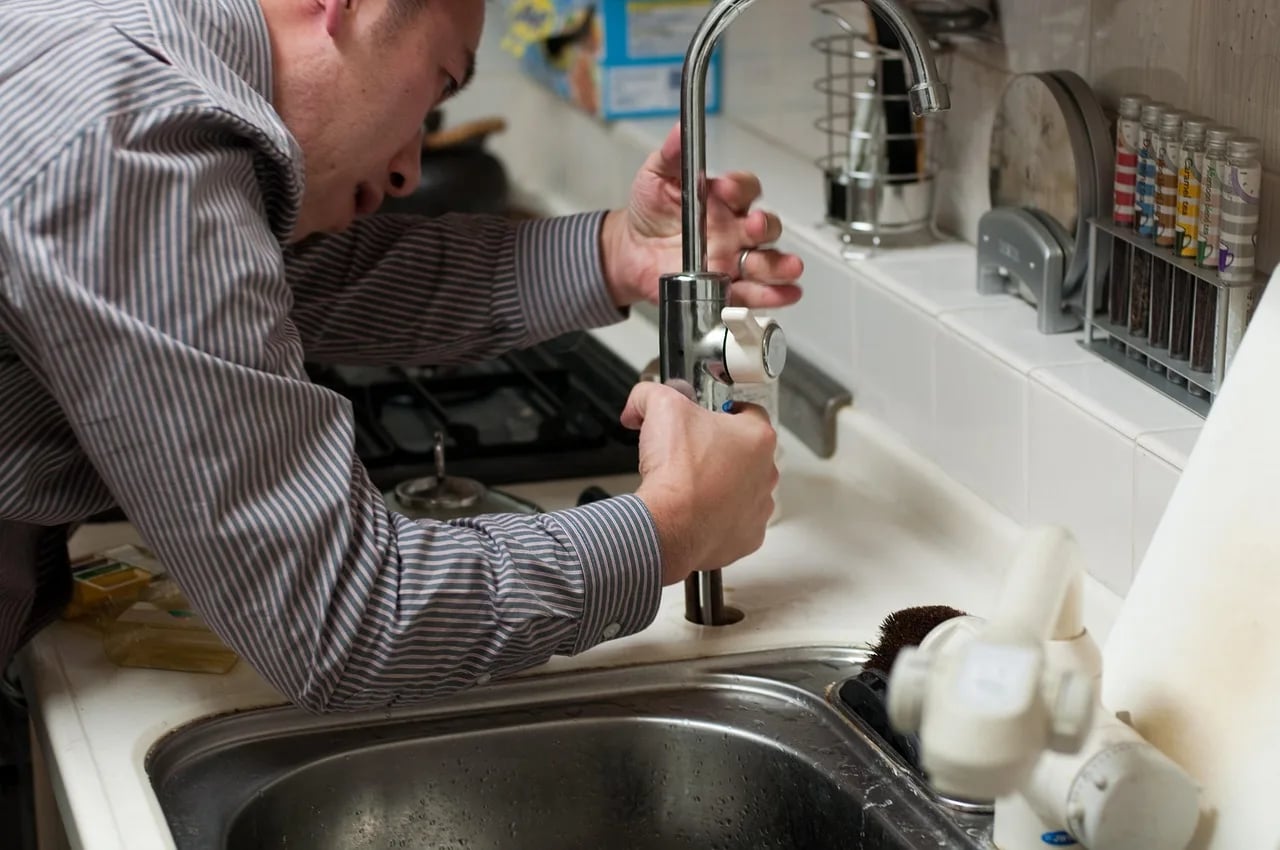
Why do you still fix the running toilet yourself? Researchers at Monash University in Australia put that question to 118 people over 60 in focus groups. The reasons will sound familiar:
- Cost, or as one participant put it, "Cost is everything."
- Independence.
- Fear of being overcharged.
- Not wanting strangers in the house.
These were Australians, but the reasons travel well. And the one alternative most would accept was telling: a tradesperson recommended by someone they knew. The biggest barrier wasn't money. It was not knowing what help was out there.
That part you can fix this month, before anything breaks. Build your list now: ask neighbors, friends or anyone at your church or club for the plumber, electrician and handyman they'd let into their own house, and write the names down.
Then sort the jobs. Streamline Financial's planner has a line for it:
"I do what I do best and then I pay for the rest." Streamline Financial
A loose cabinet hinge you can fix in ten minutes is money saved. A whole Saturday on a job you dread, to dodge a bill you could pay, is a trade, and you get to decide whether it's a good one.
4Knowing your guaranteed income before you spend
In the 1960s, whoever brought money into the house knew exactly what came in each payday, down to the penny. Living below your means started there. You can't live below a number you don't know.
Retirement scrambles it. Money arrives from different places on different days, and the total gets fuzzy. Lena Armuth, a certified financial planner and partner at the firm Sensible, suggests a test almost nobody runs:
- Add up your guaranteed monthly income: Social Security, any pension, any annuity.
- Add up the essentials: housing, food, utilities and healthcare.
- Set one against the other.
"If your floor covers your essentials, your savings aren't paying for your survival, they're paying for your lifestyle."
That changes how spending feels. If the floor covers the bills, your savings are for trips, gifts and dinners out, and you can spend them without the 2 a.m. arithmetic. If it doesn't, you know exactly how big the gap is, which beats a vague dread every time.
Use your real Social Security figure from your my Social Security account, not an online calculator's guess.
Then watch the first few years. Streamline Financial's planners see the same surprise again and again: "It's common for expenses to go down in retirement but the exact opposite happens the first few years." That's lifestyle creep wearing a retirement-party corsage, and the floor tells you how much of it you can afford.
3Getting a "paycheck" again in retirement
Armuth has a sharp point about what decades of thrift do to you. "For 40 years, you trained your brain to do one thing, save," she says. "The problem is you can't switch it off the day that you retire."
The numbers back her up. Research from the Employee Benefit Research Institute, reported by CBS News, found that a third of retirees in their mid-80s still had 100% or more of the money they retired with. Some of that is wise caution. Some of it is money that was meant to be enjoyed, sitting there being guarded.
Her fix borrows the oldest rhythm you know, payday: "Set up an automatic monthly transfer from your investments into your checking account. Same amount, same day every month."
It works on the brain, not the math. A paycheck feels like money to spend. A big balance feels like something to protect.
It helps to line it up with money that already arrives on schedule. Social Security pays on a set calendar based on your birth date:
| Born on the | Paid on the |
|---|---|
| 1st to 10th | Second Wednesday |
| 11th to 20th | Third Wednesday |
| 21st to 31st | Fourth Wednesday |
If your benefits started before May 1997, they come on the 3rd.
The catch is the amount. Too high and you're spending what you'll need at 90; too low and you're back to guarding the pile. That one number is worth an hour with a fee-only planner. If the money comes out of an IRA, expect less than you asked for: the IRS withholds 10% for federal tax by default unless you choose another rate on Form W-4R.
In the 1960s, pay yourself first meant savings got its cut before anything else. In retirement it runs the other way, and your savings pay you.
2Money in the bank, not the coffee can
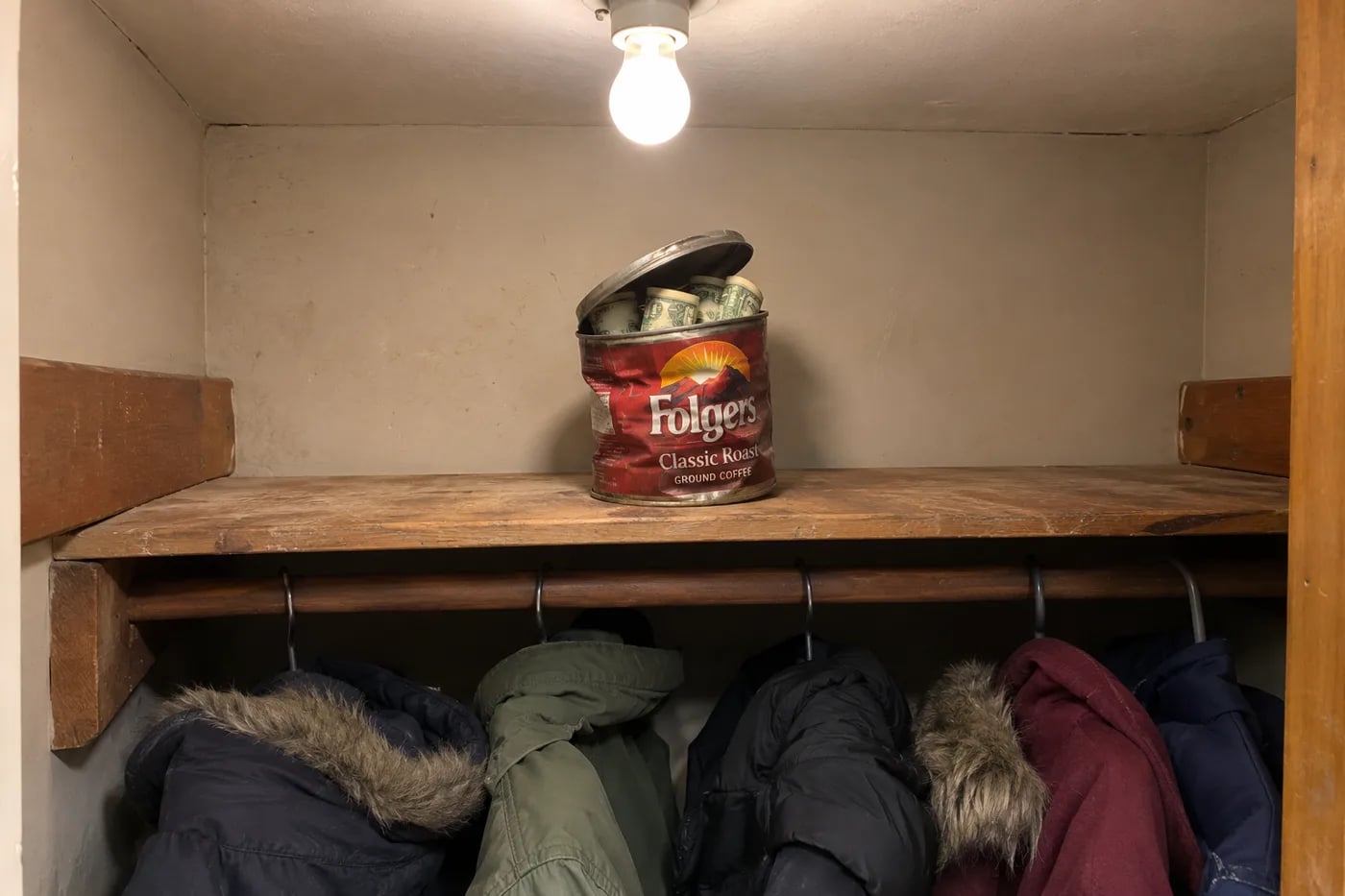
You may have known someone who kept bills rolled up in a coffee can on the closet shelf rather than put them in a bank. The 1960s fix was the passbook savings account, stamped by a teller every time you made a deposit. Put it where it earns something.
That rule deserves to come back, because cash sitting still is the most expensive "safe" place there is.
Leave $10,000 in a can from 1960 to 2025, and by the government's consumer price index it would buy what about $920 bought in 1960. That's about 91% of its buying power gone, and you never spent a dime of it.
A commenter on Reddit's r/askanything put it better than any economist: "They say compound interest is your friend. Well compound inflation is its arch enemy."
The modern coffee can is sneakier. It's moving everything into the safest thing you can find the year you retire. Bo Hanson, one of the fee-only financial advisors on The Money Guy Show:
"Just because you turned 65 doesn't mean that all of a sudden you take all of your investment assets and you bury them in a coffee can."
Part of your money has to keep growing to pay for your 70s, 80s and 90s. The same segment warns against being sold annuities or certificates of deposit out of fear. This is the one habit to let go of completely, can, mattress and all.
1The rainy day fund, resized for retirement
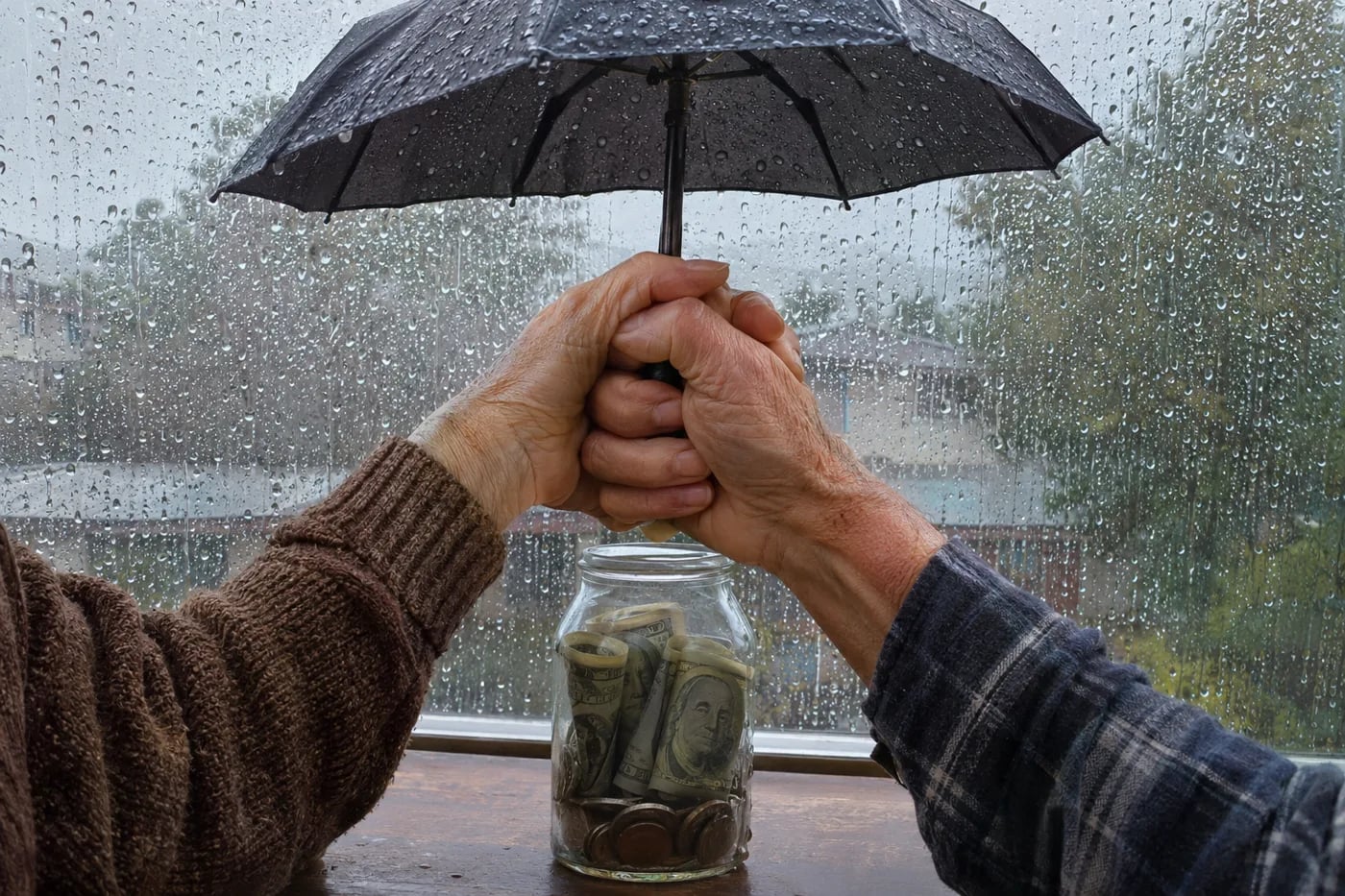
You already have this habit. The 1960s called it the rainy day fund: a few months of money tucked away in case the paycheck stopped. Today it's called an emergency fund, and workers still get the same advice.
Here's the update almost nobody makes. Once the paycheck has stopped for good, that cushion should get much bigger. The hosts of The Money Guy Show, who are fee-only financial advisors:
"Once you're living off these assets in retirement, that number expands out to 18 to 36 months of very safe secure assets." The Money Guy Show
Why so much? In retirement, the real emergency isn't a dead furnace. It's a market drop in the early years that forces you to sell investments at low prices just to pay the bills. Advisers call it sequence-of-returns risk. A deep cash cushion lets you leave your investments alone and wait.
If 18 months of expenses sounds impossible, look at what the cushion actually has to do. Its job is to cover what you'd otherwise be selling investments to pay for. If the floor from #4 covers most of your bills, that gap is smaller, and so is the fund you need.
And no, this isn't the coffee can. Holding a couple of years of cash so the rest can keep growing is the opposite of burying everything.
Start with one number: what you'd pull from savings in a typical month, times 18.
The bottom line
The 1960s rules were built for a household where the fight was over groceries and school shoes. Food and clothing are a much smaller fight now. The big ones left are housing and making a pile of savings behave like a paycheck for as long as you need it.
The hardest old habit to let go isn't one you do. It's the flinch when you spend. Azul Wells, a fee-only financial adviser for more than 20 years, saw it in clients who had far more than they needed: "For many people, it will never feel like we have enough to retire."
So if your floor covers the bills and your cushion is in place, what is the rest of the money for?
Up next
15 Bank and Card Fees Worth One Phone Call to Get Waived
Fifteen charges, from a $35 overdraft to a forgotten account's inactivity fee, that a polite call can sometimes erase, plus a short script and a plan for when the bank says no.
Read the list →
Bonus: Five more old habits with a modern payoff
- Turn the thermostat back 7 to 10 degrees for 8 hours a day. The Department of Energy says that alone can save as much as 10% a year on heating and cooling.
- Ask your bank or credit union whether it still has a holiday club account. MIDFLORIDA Credit Union in Florida, for one, pays 1.982% on balances up to $4,000, against a 0.39% national average on savings accounts in November 2026. Watch the early-withdrawal penalty, $5 a time there.
- If your house leaks heat, look up the federal Weatherization Assistance Program in your state. The Department of Energy says households in it save an average of $372 or more a year.
- When the old dryer finally dies, price a heat-pump model. ENERGY STAR says they use around 70% less energy than a conventional dryer.
- Want the check register back without the ledger book? The CFPB's free Your Money, Your Goals toolkit has a printable spending tracker and bill calendar.
Questions people also ask
Was $20 a lot in 1960?
Yes. By the government's consumer price index, $20 in 1960 had about the buying power of $217 in 2025 dollars. The figure comes from annual price index numbers published by the Minneapolis Fed.
How much is $1 from 1960 worth today?
A 1960 dollar is worth about $10.88 in 2025 dollars, based on annual consumer price index figures from the Minneapolis Fed. Using the October 2026 monthly figure from the Bureau of Labor Statistics, it's closer to $11.40. The difference comes from comparing a yearly average with a single month.
Does the envelope system still work if I pay with cards?
It can, as long as you keep the one rule that makes it work: a fixed cap for each category, and you stop spending in that category when it's used up, as Capital One describes. Cash makes the cap physical; with a card, you have to track it yourself. The CFPB's free spending tracker can do the job the envelope did.
How big should my emergency fund be in retirement?
Once you're living off savings instead of a paycheck, The Money Guy Show's advisors suggest 18 to 36 months of expenses in safe, easy-to-reach money. Their FAQ puts the minimum at 12 to 18 months before you retire. The point is to avoid selling investments during a market drop, so the cushion mainly needs to cover what your guaranteed income doesn't.
Should I pay off my mortgage before I retire?
It depends on your mortgage rate and how much of your savings it would take. Paying it off lowers your monthly costs, your interest and often your stress, but using a lump sum leaves you less cash to reach and less money growing, according to T. Rowe Price. Compare your mortgage rate with what you expect your investments to earn, and look at options like refinancing or downsizing too.
What did families spend on groceries in the 1960s?
Food, including meals out, took 24.4% of household spending in 1960-61, according to the Bureau of Labor Statistics. By 2025 it was 13.0%, or $10,633 of the average household's $81,905 in yearly spending. Of that 2025 food money, $6,491 went to groceries.
Did any of these feel familiar?
Know someone who needs this?
Sources cited in this article
This article links to 56 outside sources, listed here so you can read them yourself.
- 1,200 points to a book www.antiquetrader.com/features/history-of-s-and-h-green-stamps
- About a third of household spending www.bls.gov/opub/ted/1999/sept/wk1/art02.htm
- About 15% www.bls.gov/news.release/cesan.nr0.htm
- The modern version www.capitalone.com/learn-grow/money-management/envelope-budgeting-system
- Don't cover cash www.consumerfinance.gov/rules-policy/regulations/1005/3
- $4.86 on average in 2025 www.bankrate.com/banking/checking/checking-account-survey
- Reddit's r/AskOldPeople www.reddit.com/comments/1ibl8r6
- No later than 60 days after the bank sends the statement www.consumerfinance.gov/rules-policy/regulations/1005/11
- The FDIC says www.fdic.gov/consumers/consumer/news/october2018.html
- 30 to 40 percent of the food supply is never eaten www.epa.gov/sustainable-management-food/united-states-2030-food-loss-and-was…
- Within 3 to 4 days www.fsis.usda.gov/food-safety/safe-food-handling-and-preparation/food-safety…
- 26.3% of America's food spending ers.usda.gov/data-products/charts-of-note/77929
- Passed groceries ers.usda.gov/data-products/chart-gallery/59729
- 10% down and a $5 service fee www.nbcnews.com/news/amp/wbna44442002
- 22.36% www.federalreserve.gov/releases/g19/current/default.htm
- 63% of these borrowers had more than one loan open www.consumerfinance.gov/archive/newsroom/cfpb-research-reveals-heavy-buy-now…
- 18.16 cents a kilowatt-hour www.eia.gov/electricity/monthly/epm_table_grapher.php?t=epmt_5_6_a
- ENERGY STAR efficiency standard www.energystar.gov/products/clothes_dryers/key_product_criteria
- Expressly prohibited www.leg.state.fl.us/statutes/index.cfm?App_mode=Display_Statute&URL=0100-019…
- University of Missouri ipm.missouri.edu/meg/index.cfm?ID=337
- $12,863 a year newsroom.aaa.com/2026/09/aaa-new-vehicle-ownership-costs-hit-12863-annually
- 820.5 million digital titles worldwide in 2025 company.overdrive.com/2026/01/21/libraries-break-digital-lending-records-in-…
- LA County Library lacountylibrary.org/ebooks-audiobooks
- Puts that at about $12 theconversation.com/rise-and-fall-of-the-landline-143-years-of-telephones-be…
- Reddit thread www.reddit.com/comments/1sz023p
- 80% of those got at least one perk www.news4jax.com/consumer/2018/09/24/it-pays-to-haggle-over-your-cable-bill
- A label before you buy docs.fcc.gov/public/attachments/DOC-401797A1.pdf
- 55% own free and clear eyeonhousing.org/2026/09/single-family-detached-homes-still-dominate-among-t…
- 39.4% in the Census Bureau's 2020-2024 count www.census.gov/library/stories/2026/01/mortgage-free-homes.html
- Within 20 days www.consumerfinance.gov/consumer-tools/mortgages/your-mortgage-servicer-must…
- Rent the experience first www.youtube.com/watch?v=QhLJUjyVW7U&t=859s
- 118 people over 60 pmc.ncbi.nlm.nih.gov/articles/PMC2610607
- Streamline Financial www.youtube.com/watch?v=QhLJUjyVW7U&t=489s
- A test almost nobody runs www.youtube.com/watch?v=DcVsPkcxZDg&t=427s
- My Social Security account www.ssa.gov/myaccount
- The exact opposite happens www.youtube.com/watch?v=QhLJUjyVW7U&t=919s
- "The problem is you can't switch it off www.youtube.com/watch?v=DcVsPkcxZDg&t=62s
- Reported by CBS News www.cbsnews.com/news/retirement-spending-decumulation-4-percent-rule
- Same amount, same day every month www.youtube.com/watch?v=DcVsPkcxZDg&t=489s
- A set calendar www.chase.com/personal/investments/learning-and-insights/article/social-secu…
- 10% for federal tax by default www.irs.gov/individuals/international-taxpayers/pensions-and-annuity-withhol…
- The government's consumer price index www.minneapolisfed.org/about-us/monetary-policy/inflation-calculator/consume…
- Reddit's r/askanything www.reddit.com/comments/1xukpga
- Bury them in a coffee can www.youtube.com/watch?v=BNkUdOSg9U4&t=183s
- The Money Guy Show www.youtube.com/watch?v=BNkUdOSg9U4&t=121s
- Sequence-of-returns risk moneyguy.com/episode/an-8-withdrawal-rate-is-dangerous-financial-advisor-exp…
- The show's own FAQ moneyguy.com/faq/how-big-emergency-fund
- 71%, per the Federal Reserve www.federalreserve.gov/publications/2026-economic-well-being-of-us-household…
- "For many people, it will never feel like we have enough to retire." www.youtube.com/watch?v=0ASaeMDSLjk&t=122s
- As much as 10% a year www.energy.gov/save/home-upgrades
- 1.982% on balances up to $4,000 www.midflorida.com/personal/savings/holiday-club
- 0.39% national average www.fdic.gov/national-rates-and-rate-caps
- Around 70% less energy www.energystar.gov/products/clothes_dryers
- Your Money, Your Goals toolkit www.consumerfinance.gov/consumer-tools/educator-tools/your-money-your-goals/…
- Bureau of Labor Statistics www.bls.gov/news.release/cpi.nr0.htm
- According to T. Rowe Price www.troweprice.com/personal-investing/resources/insights/should-i-pay-off-my…

Jheremy Raquel (JR) Agabao
Editor
JR Agabao edits PennySaver USA. With a working background in bookkeeping and HR, she checks the prices, rules and fine print in every guide before it reaches readers.
More from Jheremy Raquel (JR) Agabao


16 Things Black Friday Antivirus and VPN Deals Won't Tell You Before You Buy
22 min read
Most read
- 115 Bank and Card Fees Worth One Phone Call to Get Waived
- 215 Things to Know About the Best Bank Account Bonuses That Can Beat a Black Friday Sale
- 316 Things Black Friday Antivirus and VPN Deals Won't Tell You Before You Buy
- 412 Places to Keep Your Savings Other Than a Big-Bank Account, and the Catch With Each