


23 Everyday Habits That Quietly Cost You Money
The real numbers behind 23 small habits, from the delivery bag on your porch to the savings account that pays you pennies, and the easy fix for each one.
By Yury Byalik, J.D., Editor
Updated · 20 min read
- Written by our editor
- Cited 37 sources
- How we review

This is general information, not financial, tax or legal advice for your situation. Read our full disclaimer
Open your mailbox on any weekday and something in there wants your money. It might be a renewal notice, a "valued customer" letter from your insurance company, or a statement with a minimum-payment box that nobody reads.
None of it feels like a big deal, and that's exactly how it works. Most money leaves quietly, a few dollars at a time, through habits that seemed perfectly sensible when they started.
23Ordering takeout because you're too tired
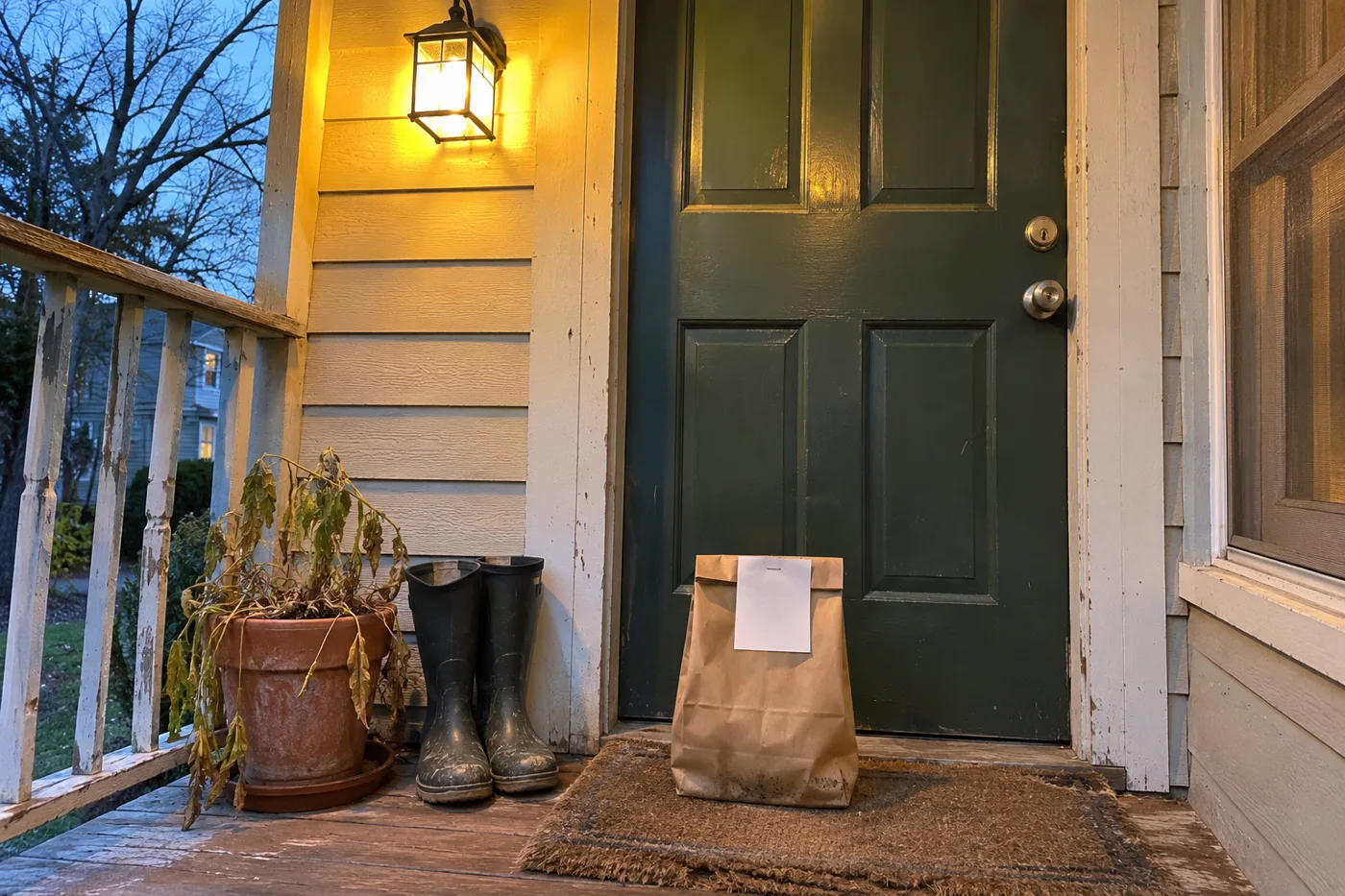
Delivery apps make it easy to order dinner on a night you're too tired to cook, but the total that shows up is usually bigger than the food itself.
Several people who complain about takeout point to the same thing: fees that seem to grow every time.
The menu price itself is part of the trick. Menu prices on delivery services averaged 20% more than eating the same food in the restaurant in a 2024 analysis reported by CNBC, and that gap has nearly doubled since 2020.
Across all US households, eating out averaged $4,142 in 2025. That's about $345 a month, or 39 cents of every food dollar. Restaurant prices are also climbing about twice as fast as grocery prices.
The fix doesn't have to be cooking from scratch. Picking the order up yourself skips the delivery fee. Keep a frozen pizza in the freezer for the nights you're too tired to cook.
22Buying groceries you already have

You get home, unpack, and there it is: the loaf you bought Tuesday, sitting next to the loaf you bought today. By next week one of them has a fuzzy green corner.
Many people name the same leaks. There are ingredients for a recipe that never happens, a second jar of something already in the cupboard, and marked-down meat that needed four more things before it could become dinner.
It adds up faster than it feels. The Environmental Protection Agency puts the cost of wasted food at about $728 per person a year, based on 2023 prices. That's roughly $14 a week, per person, going straight into the trash can.
The fix people swear by is boring, and it works. Open the fridge and the pantry before you write the list, not after you get home. Planning even three dinners ahead means the cart fills with things that have a job to do.
Bread freezes well, by the way. Slice it first.
21Letting small subscriptions renew unchecked

Quick: how much do you spend on subscriptions each month? Hold that number.
When a research firm asked Americans that question in 2022, they guessed $86 on average. Then they listed every service one by one, and the real figure came to $219. That's $133 a month nobody had accounted for, or almost $1,600 over a year.
The same survey found that 42% had stopped using a subscription and forgotten they were still paying for it.
Small charges are built to be ignored. A small monthly charge doesn't register as money. Twelve of them do.
Sit down with two months of bank and card statements and a highlighter, and mark every charge that repeats.
For anything you don't want, follow the company's cancellation steps and keep a record that you did it. If the charges keep coming, the FTC, the federal consumer protection agency, says you can dispute them with your card company.
The magazine you haven't opened since spring can go first.
20Never calling to haggle over your internet bill

Internet bills tend to climb quietly once the first promotional period ends.
Consumer Reports went through more than 22,000 internet bills and found "it's often unclear when a promotional discount might end, and what the price would be afterward." About half the people who sent in bills were paying $60 to $90 a month before discounts.
Its members' advice: it pays to haggle.
Internet providers must show a "broadband facts" label. It's a little chart, like the nutrition panel on a cereal box, and it must say whether a price is an introductory rate and what you'll pay once it ends.
So find your plan's label, then look at what the company and its competitors offer new customers. Call and ask for the department that handles cancellations, because those are the people whose job is keeping you. Ask them to match the best price you found.
Be pleasant and specific, and have the competitor's price on a sticky note before you dial.
19Staying with the same insurer for years

Loyalty should count for something. With car and home insurance, it sometimes counts against you.
Some insurers use something called price optimization: setting your price partly by how likely you are to shop around, not just by how risky you are to insure.
Once a year, get two or three quotes for the same coverage you have now, then call your current company, tell them the number, and ask whether they can match it. Sometimes they can. Sometimes the right answer is a new company.
In September 2026, Texas regulators said it bluntly: "Price optimization turns loyalty into a pricing factor." That same month, the Consumer Federation of America told state insurance commissioners that most states haven't issued warnings about the practice.
Put a reminder on the calendar a month before renewal, so you're shopping before the bill arrives.
18Carrying a card balance "just this month"

It starts sensibly. The car needed tires, the furnace made a noise, and the full balance can wait one month.
Then it's two months. In August 2026, the average rate on credit card accounts that were charged interest was 22.36%. At that rate, a $1,000 balance costs roughly $19 a month in interest just to stand still.
Look for the box on your statement. Card companies have to show how long paying only the minimum would take and how much you'd need to pay each month to clear the balance in three years.
The CFPB, the federal consumer finance watchdog, says it plainly: "If you make only the minimum payment, it could take years to pay off your credit card."
A simple rule helps. Put on the card only what you could pay for in cash today.
17Paying a bill a few days late
You meant to pay it. Then the week got away from you, and the payment went in late.
The late fee stings, but the bigger cost is quieter. Once a card or loan payment is 30 days late, FICO credit score figures cited by CNBC show it can knock 17 to 37 points off a fair credit score.
A very good or excellent score can lose 63 to 83 points. At 90 days late, an excellent score can drop 113 to 133 points.
A lower score can mean a higher rate on the next loan or card you apply for, long after the bill itself is forgotten.
If you can keep enough money in the paying account, set automatic payments for at least the minimum due on cards and the required payment on loans. Check the account before each withdrawal so the payment goes through. If that doesn't fit your cash flow, set reminders before the due dates instead.
16Not watching prices as they scan
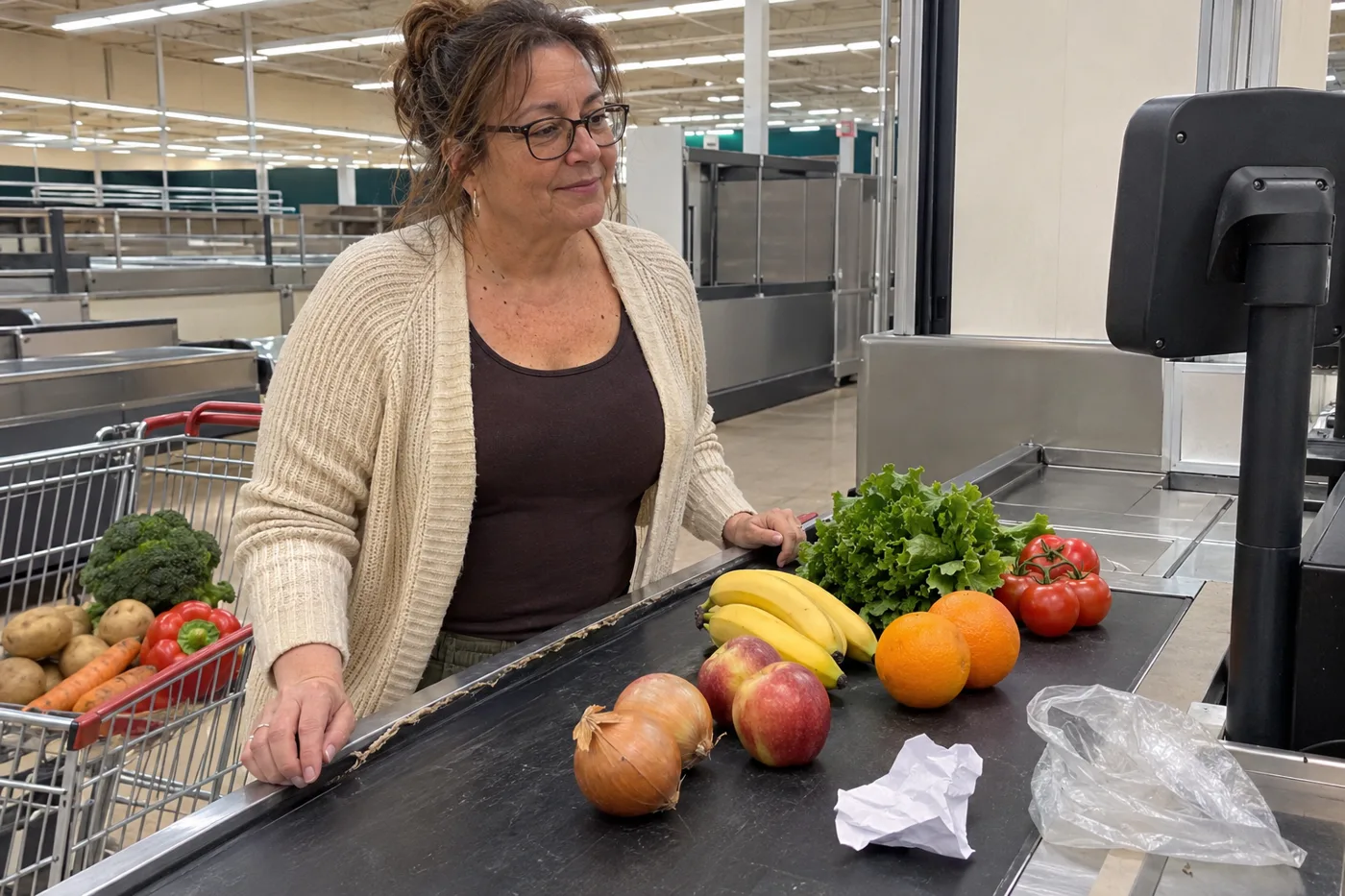
Prices at the register don't always match the price on the shelf, and it's easy to miss when you're busy bagging, finding your card and making small talk.
Sale items are the biggest risk. In the FTC's 1998 national price check, sale items rang up wrong 1 in 28 times, and about two-thirds of those mistakes favored the store.
Some states put teeth in it. In Michigan, if you tell the store about a scanner overcharge within 30 days, it can refund the difference plus a bonus of 10 times that amount. The bonus is at least $1 and up to $5.
Watch the screen when the sale items go through, and read the receipt before you start the car.
15Assuming the bigger pack is the better deal

The giant box feels like winning. It's on the end of the aisle, it says "value pack" in letters you can read from the parking lot, and it's practically shouting at you.
Bigger isn't always cheaper. Two single packs can cost less than one twin pack.
The tool that catches this is the unit price. It's the small print on the shelf tag showing the cost per ounce, per pound or per count. Federal standards officials call it "one of the most effective tools available to consumers" for comparing value.
It also exposes shrinkflation, when a package gets smaller but the price doesn't. The box looks the same on the shelf. The unit price tells on it.
And even a true bargain is only a bargain if you finish it. Read the shelf tag, ignore the box, and only buy the giant size of things that keep.
14Saying yes to the extended warranty
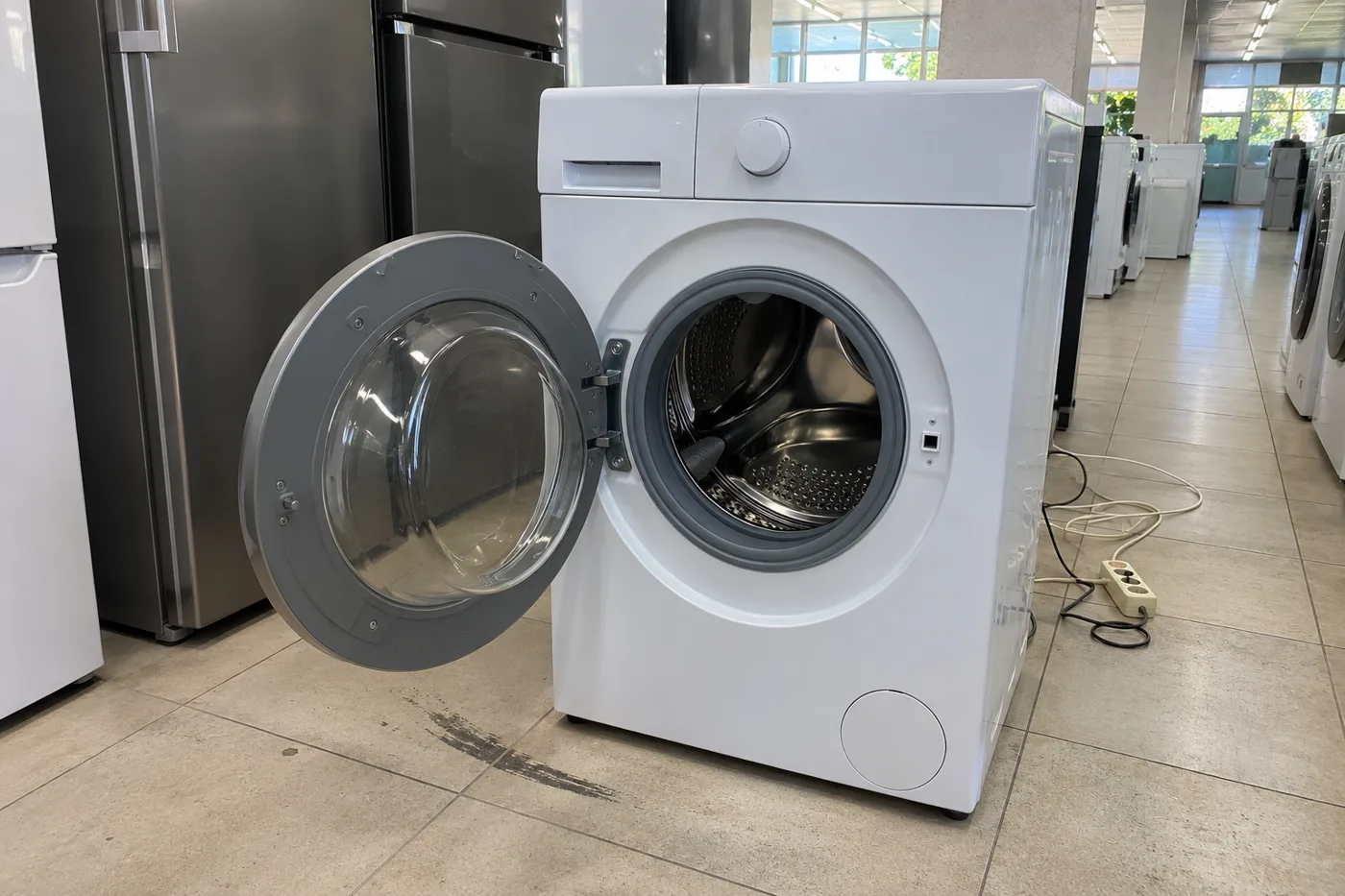
The new washing machine is paid for. Then the salesperson asks whether you'd like to protect your purchase today, and saying no feels almost reckless.
Say it anyway. In a 2018 analysis, Consumer Reports found extended warranties averaged $126 for large appliances and $21 for small ones. Even when an appliance did need fixing, the repair averaged just $26 more than the warranty would have cost. Its advice: "in nearly every case, it's best to decline the offer."
The FTC agrees that a plan "might not be worth the cost if a product isn't likely to need repairs." For some people, it adds, "putting money aside in a savings account is a better option."
So do exactly that. Decline, and if your budget allows, move the price they quoted you into savings the same day and call it your repair fund. Otherwise, start with an amount you can spare. If the machine never breaks, the money is still yours.
13Buying the cheap version that breaks fast
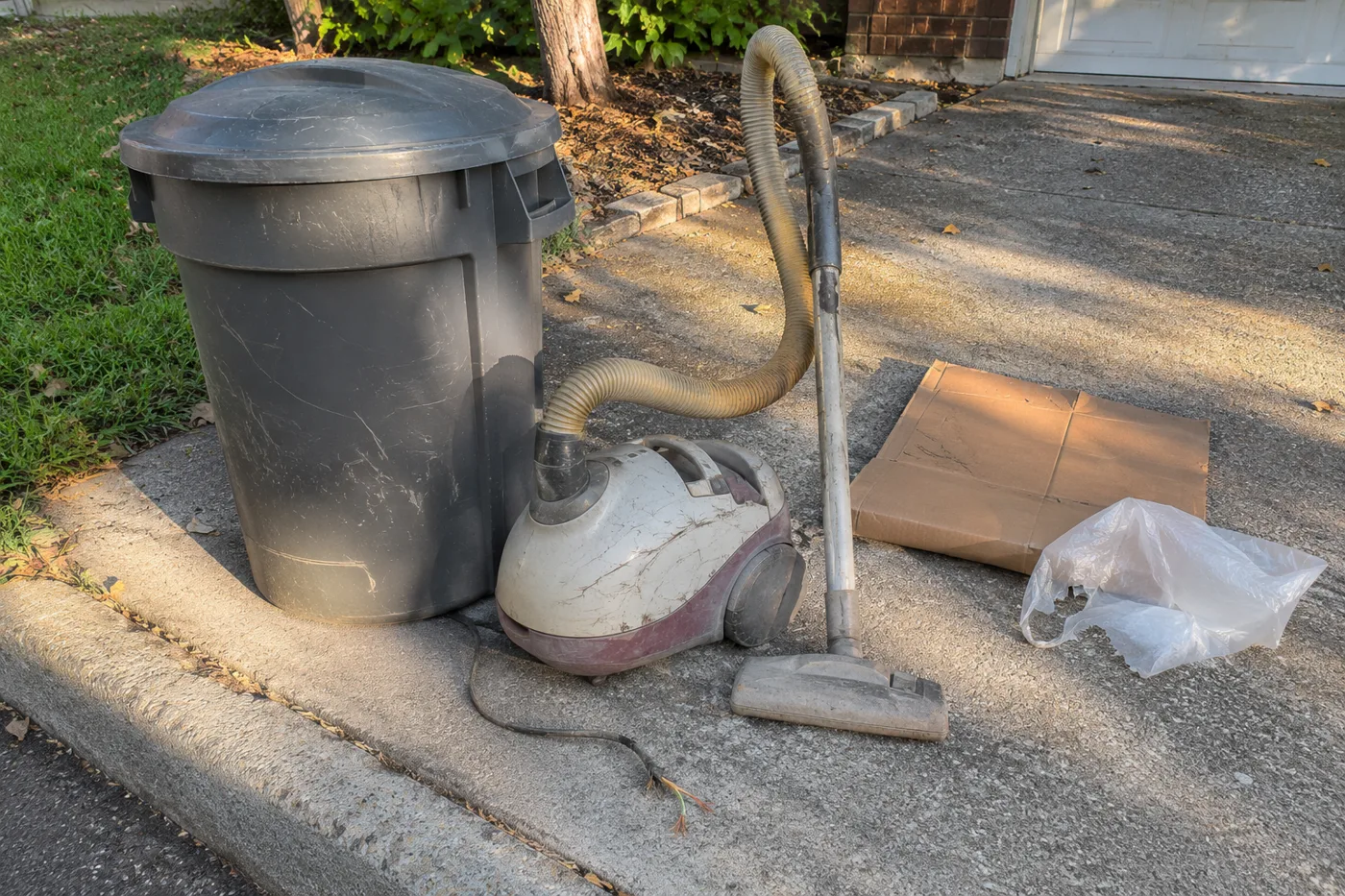
Several people tell a version of the same story: the cheap thing breaks, gets bought again, and ends up costing more than a good one bought once. One person went through two cheap vacuums before finally buying a good one on sale.
The pattern has a name. In Terry Pratchett's 1993 novel *Men at Arms*, Captain Sam Vimes works out that good boots cost $50 and last ten years.
A poor man's $10 boots wear out so fast that he spends $100 over the same ten years and still has wet feet. People now call it the boots theory.
It doesn't apply to everything. A cheap spatula is fine. It matters most with things that work hard and wear out: shoes, tools, mattresses, anything with a motor.
For vacuums, Consumer Reports surveys owners and estimates how likely a model is to have problems or break within five years, or four for robot vacuums. Owners of cordless stick vacuums report batteries that die or weaken, "especially by the fifth year of ownership."
Look up the reliability rating first. The price tag will still be there.
12Filling up with premium gas you don't need
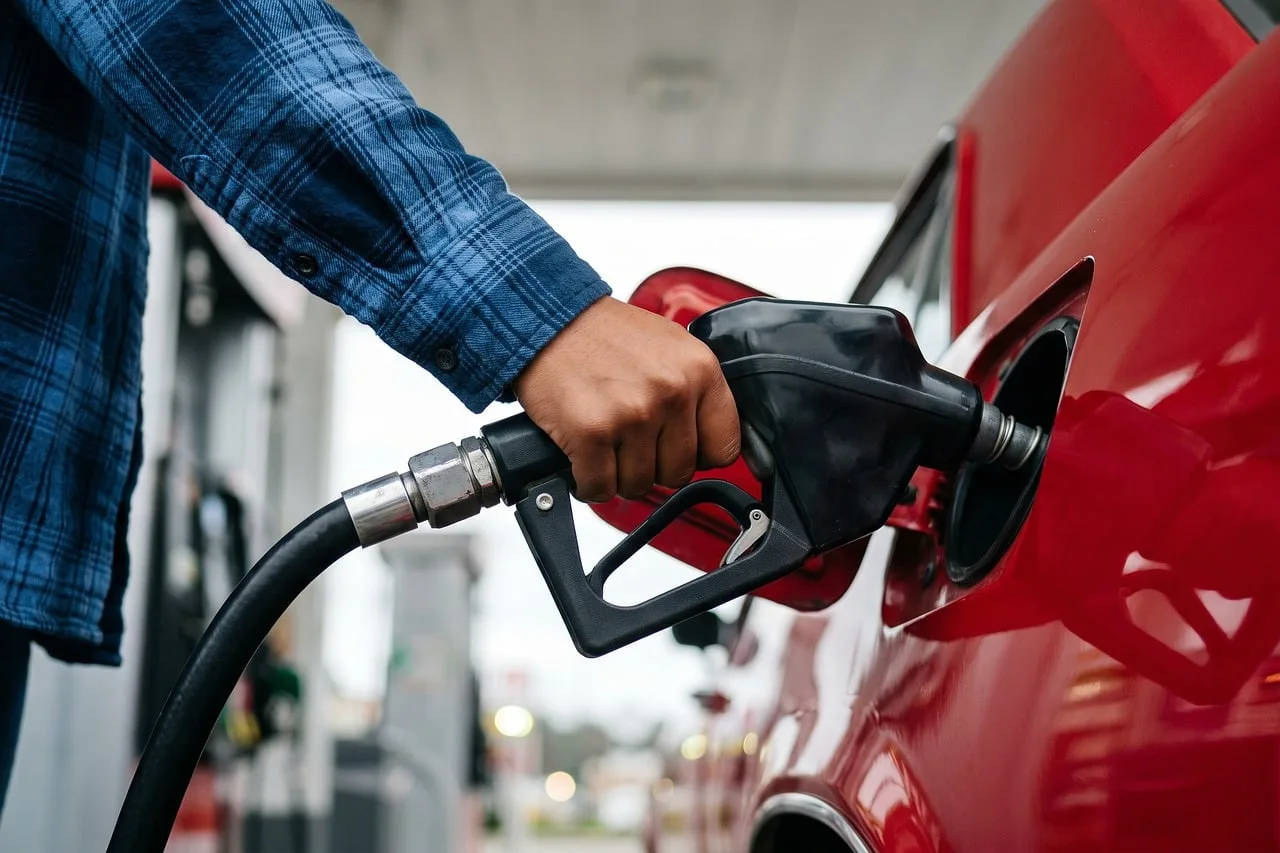
Your hand hovers over the premium button. It costs more, so it must be kinder to the engine. That's the idea, anyway.
In a 2016 report, AAA, the motorists' association, found that US drivers spent $2.1 billion in a single year on premium gas their cars didn't need. At the time, about 70% of drivers owned a vehicle that ran on regular, and only 16% owned one that required premium.
AAA's Greg Brannon put it simply: "Premium gasoline is higher octane, not higher quality." Octane is just a rating for how the fuel burns, and most engines are built for the regular kind.
The FTC's advice takes two minutes: check your owner's manual for the right octane. If it says regular, regular is what your car wants. If it says premium is required, follow the manual.
It's in the glove box, probably under the napkins.
11Keeping the thermostat at one setting all day
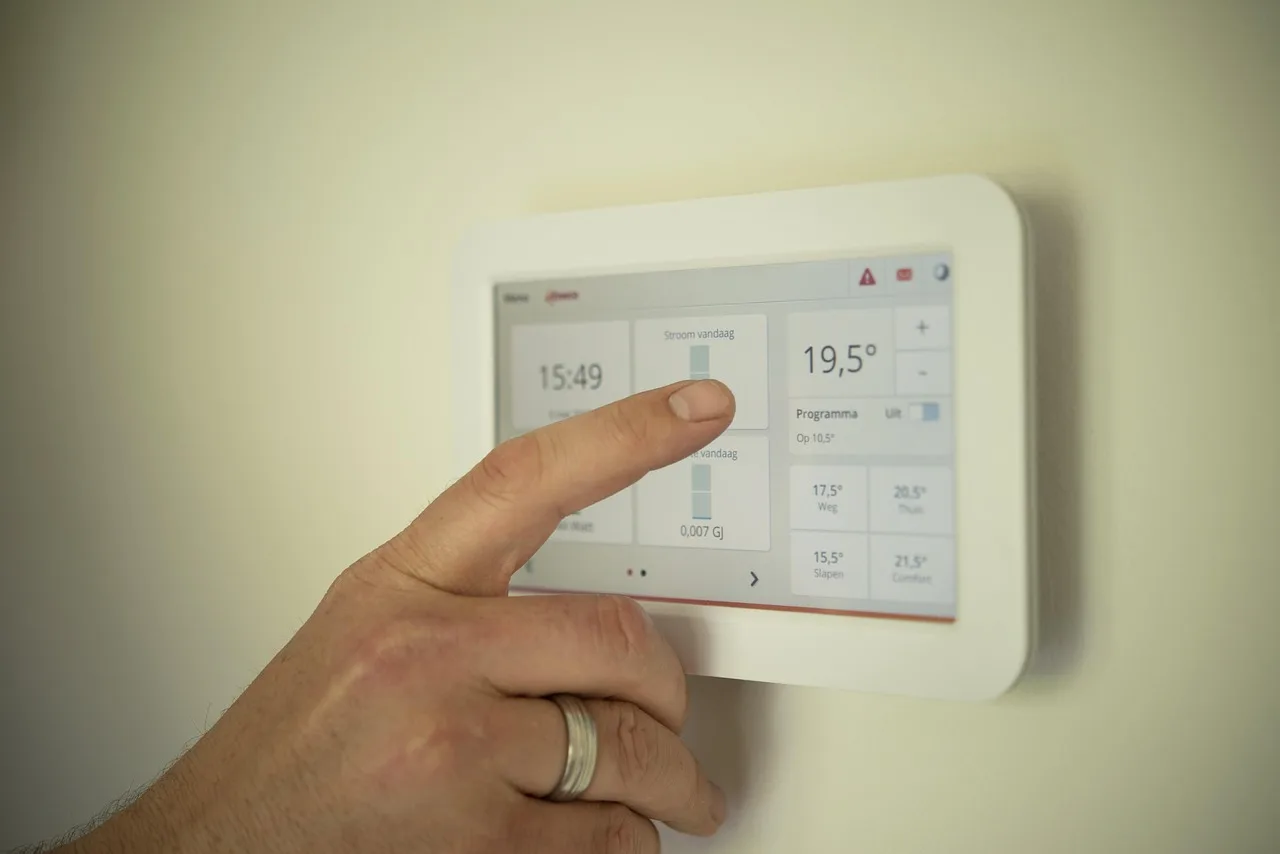
Most thermostats get set once and then left alone, like a picture on the wall.
The Department of Energy says you can save as much as 10% a year on heating and cooling by turning the thermostat back 7 to 10 degrees Fahrenheit for 8 hours a day from your normal setting.
Eight hours is a night's sleep, or the hours you're out of the house. In winter that means turning it down, and in summer it means turning it up.
A programmable thermostat does it for you without anyone having to remember. A note by the bedroom light switch works too. With a heat pump, choose a thermostat with "adaptive recovery," since a standard setback can push it onto costly backup electric heat.
Extra blanket, smaller bill.
10Washing every load in hot water
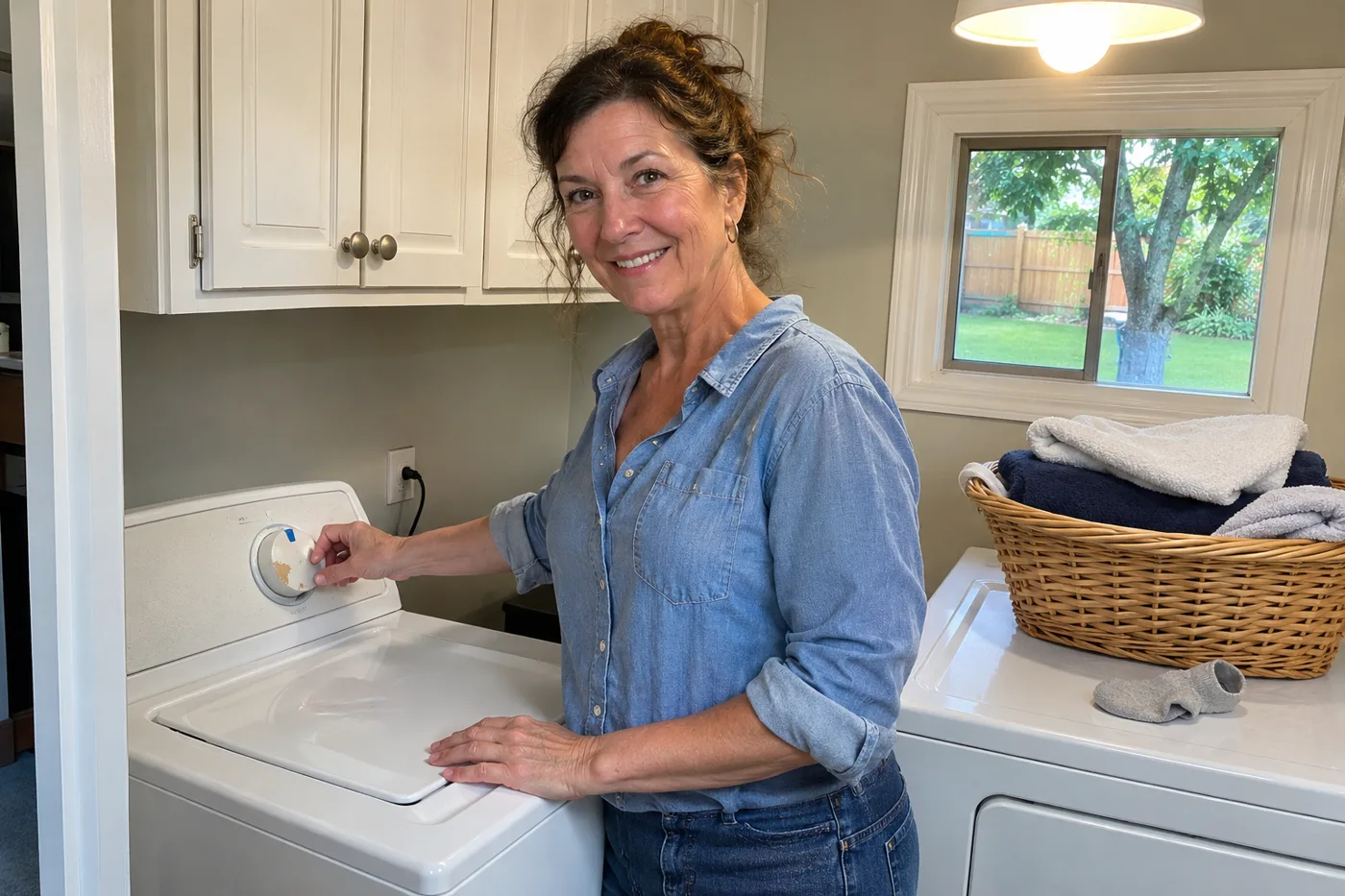
On plenty of washers the dial lives on hot or warm, and nobody ever moves it.
Here's what that costs. ENERGY STAR says heating the water uses about 90% of the energy it takes to run a clothes washer. Switching from hot to warm cuts energy use in half. Cold cuts it further.
The worry is always whether things come clean. ENERGY STAR's answer: "Unless you're dealing with oily stains, washing in cold water will generally do a good job of cleaning."
Use cold water for most loads, and save hot water for the genuinely greasy ones, like dish towels.
9Upgrading your phone when the carrier pushes
The message arrives cheerfully: you're "eligible for an upgrade." It sounds like a gift.
It's an invitation to spend. Americans keep a phone about 32 months on average, according to an August 2026 survey, yet the same people expected to keep their current phone about 45 months. That's more than a year of difference between what people plan and what they do.
Lots of people say holding onto a phone as long as it works is one of their best money moves. The reminders and the shiny ads keep coming either way.
If the phone does what you need, holds a charge through the day and still gets security updates, "eligible" is just a word.
8Paying out-of-network ATM fees

You need $40 in cash, and the nearest machine is in a gas station and doesn't belong to your bank.
That withdrawal now costs an average of $4.86, a record high, according to Bankrate's 2025 survey. That's $3.22 to the machine's owner, plus $1.64 more from your own bank for the privilege. Atlanta averaged $5.37, and Boston was lowest at $4.37.
On $40, you're paying about 12% to get your own money.
Find out which machines are free for your card before you need cash. If your budget allows, take out a little more each time so you go less often.
Cut four out-of-network trips a month and you keep about $19.
7Buying brand-name medicine over the generic

Two boxes sit side by side on the pharmacy shelf. Flip them over and the active ingredient, the part that makes the medicine work, is the same. One has a famous name on the front and costs a lot more.
The FDA, the federal drug regulator, says generic drugs "contain the same active ingredients and must work the same way in the body as the brand drug." And generics typically cost 80 to 85% less, based on FDA estimates cited by the FTC.
That goes for prescriptions too. Next time you're at the pharmacy counter, ask whether there's a generic version of anything you fill regularly.
Flip the box, read the active ingredient, and check that the strength and form match too. If you're unsure, ask the pharmacist before the cheaper one goes into the basket.
6Paying medical bills without checking them

The bill arrives with codes nobody can read and a total at the bottom. Most people sigh and pay it.
Before you do, the CFPB says that if anything looks off, ask for an itemized list of charges. Look for mistakes like being charged twice for the same service, and call the billing office quickly so late fees and interest don't pile on while you sort it out.
If you're on Original Medicare, the Medicare Summary Notice arrives at least every six months when you've had care, and it "is not a bill." It's a record of what was billed and what you may owe.
Compare it against your receipts and the bills you've received, including what you've already paid. If something's wrong, call the provider or file an appeal. The appeal steps are on the last page.
Keep the bill and the notice clipped together in one folder until they agree.
5Letting gift cards sit forgotten in a drawer
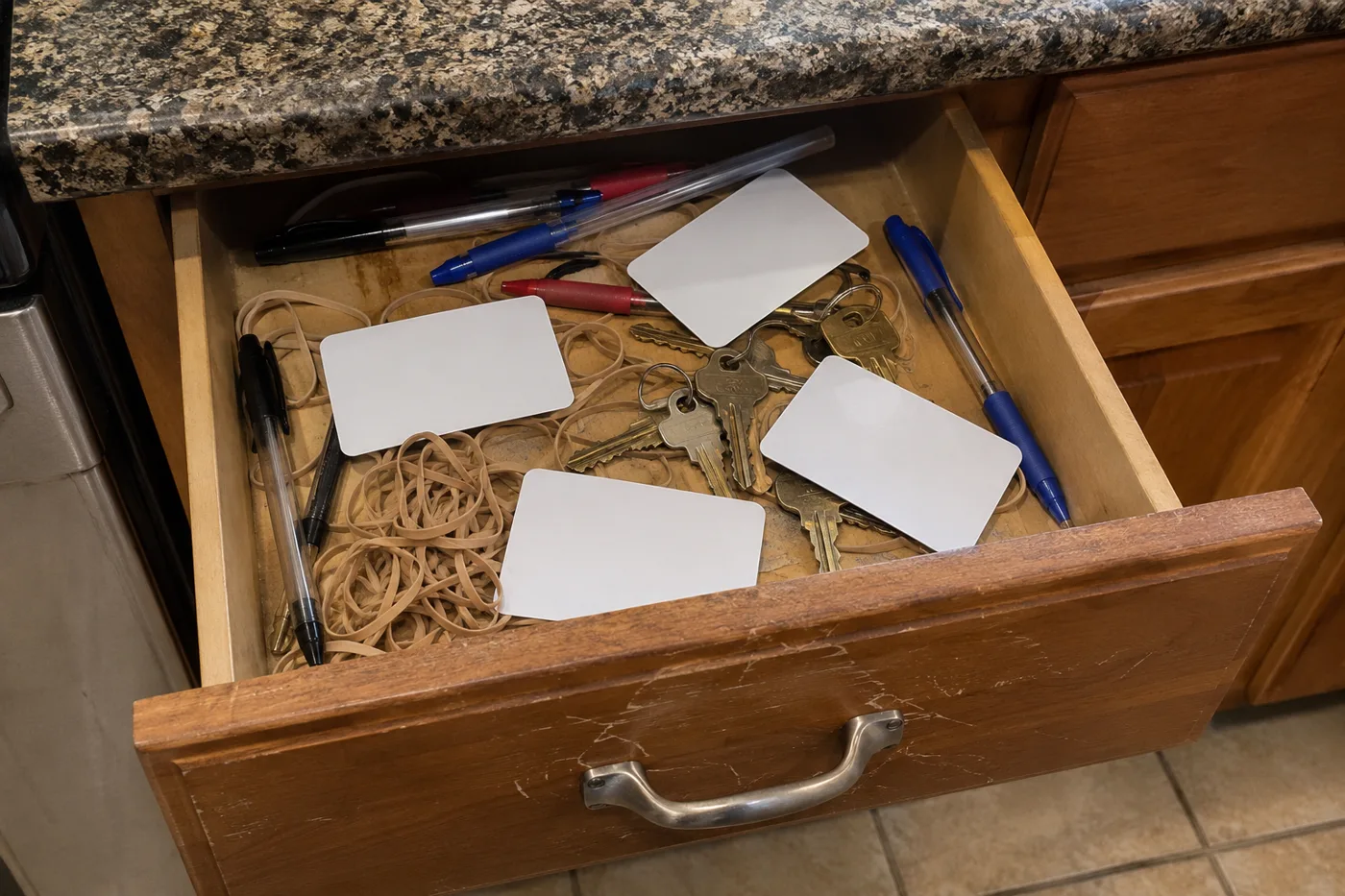
Somewhere in a drawer, a wallet pocket or an old purse, there's probably a gift card with money still on it.
You're far from alone. In a 2024 survey, 43% of Americans had at least one unused gift card, and the average unused value was $244 per person. A third had lost money to a card that expired, went missing or belonged to a store that closed.
Federal rules help a little. A gift card can't be sold with an expiration date less than five years out, and inactivity fees can't start in the first 12 months. After that, fees "could start to eat away at your card's value."
Gather every card in the house into one pile and check each balance. Use the ones for places you already shop first.
Then put the ones you'll use in your wallet, where you'll actually see them.
4Skipping the free e-books your library offers

Plenty of people still picture the library as a building with a book drop out front. It's also a bookstore that lives in your phone and never charges you.
95% of public libraries offer e-books or audiobooks, and more than half offer streaming movies or downloads. Ask your library which reading app it uses and how to get started.
All it takes is a library card. If you're paying monthly for audiobooks or e-books, check your library's digital shelf before the next renewal.
Popular new books often have a waiting list, so put a hold on the one you want and borrow something else while you wait.
3Never asking about a senior discount

Plenty of discounts never show up on the menu, the price tag or the website. They exist only for the people who ask.
Some are remarkable. US citizens and residents 62 and older can buy a National Park Service Senior Lifetime Pass for $80, or a one-year pass for $20.
It covers entrance and standard day-use fees at hundreds of recreation sites run by six federal agencies, with a discount for the passholder only on some extras like camping.
That's $80, once, for life.
Restaurants have them too. AARP lists 15% off the check, up to $10, for members at participating Denny's locations. Alcohol, some promotions and online orders don't count, and not every location takes part.
The starting age varies from place to place, so ask everywhere. One easy line covers it without anyone feeling awkward: "Do you have any discounts I might qualify for?"
2Guessing your spending instead of checking it

If someone asked what you spend in a month, you'd have a number ready. It's probably wrong, and it's probably low.
Try what financial planners have clients do: add up three to six months of real bank and card statements, then divide to find the true monthly figure. One planner says that almost every time, the real number is higher than what the client first said.
The culprit is anything that doesn't arrive monthly.
Those irregular bills are big. In 2024, the average US household spent $2,738 on property taxes and $984 on vehicle maintenance and repairs. These averages are spread across all households, including those without a home or car.
Pull three to six months of bank and card statements and count each expense once, leaving out transfers and card payments for purchases you've already counted.
Pull out irregular costs such as property tax, car repairs and insurance premiums, and divide the everyday total by the number of months. For the irregular costs, take a full year's total and divide by 12. Add the two together for the honest number.
1Keeping savings in an account earning nearly nothing

The national average savings account pays 0.38% interest. On $10,000, that's $38 for an entire year, about the price of one decent restaurant lunch.
Meanwhile, high-yield savings accounts were paying 3.30% to 4.10% in early November 2026, with some promotional rates reaching 4.45%. At 4%, that same $10,000 earns about $400.
Same money, sitting just as still. If both rates held for a full year, the difference would be about $362 before any account fees. Check the fees and any conditions for earning the advertised rate before you move your money.
Most people stay put because the old account is familiar and moving money sounds like a chore. It's usually an afternoon's work. You open the new account, link it to your checking, and move over the cash you don't need for everyday bills.
Before you open one, check that it's covered by FDIC insurance, the federal protection on bank deposits. Rates change often, so compare current numbers on the day you switch.
The bottom line
James Conole, a certified financial planner in San Diego, is honest about willpower: "That willpower is probably not going to last." So build the fix once and let it run, whether that's an automatic payment you can cover, a higher-rate account or a yearly insurance reminder.
Start with whichever leak takes a single phone call. Twenty minutes on hold with the internet company could turn out to be the best-paid twenty minutes of your month.
Up next
19 Things Bank Tellers Wish You Would Stop Doing
What the people behind the counter see every day, from coin jars to overdraft fees (the charges when your account dips below zero), and which habits quietly cost you money or trouble.
Read the list →


Bonus: Five more quiet leaks to plug
- Free trials. The FTC warns that if you don't cancel on time, "you'll probably be charged." Write the cancellation date on the calendar the day you sign up, and uncheck any boxes that come pre-checked.
- Gadgets that never fully switch off. Most use less than half a watt on standby, but together, always-on devices make up 5 to 10% of home electricity use.
- Soft tires. Your gas mileage drops about 0.2% for every pound per square inch lost in average tire pressure, so check the pressure to see whether you need air.
- Copays bigger than the drug. A study of 2013 pharmacy claims found 23% of prescriptions had a copay higher than the drug's actual cost. Ask what the cash price would be.
- The tip screen. On Square, a common payment system, tip buttons default to 15, 20 and 25% unless the business changes them.
Questions people also ask
How much does eating out really add up to each month?
For the average US household, it comes to about $345 a month in Bureau of Labor Statistics spending data. That's $4,142 a year on food away from home in 2025, or 39% of the average household's food spending. It's an average across all households, so yours could be well above or below it.
How do I cancel a subscription I forgot I was paying for?
Follow the company's own cancellation steps and keep a record of your request. If charges keep appearing, the FTC says to dispute them with your credit or debit card company. You can also report a company that won't stop billing at ReportFraud.ftc.gov or to your state attorney general.
Is it worth carrying a credit card balance for the rewards?
Usually not. The Federal Reserve's average rate on credit card accounts charged interest was 22.36% in August 2026, and that cancels out the value of most rewards and cash-back programs. Rewards only come out ahead when you pay the full balance every month.
Are generic drugs really as good as brand-name drugs?
Yes. The FDA says generics contain the same active ingredients and must work the same way in the body as the brand-name drug. They typically cost 80 to 85% less, according to FDA estimates cited by the FTC.
What's a good interest rate for a savings account right now?
Featured high-yield savings accounts on Finder were paying 3.30% to 4.10% in early November 2026, with some promotional rates up to 4.45%. The FDIC's national average savings account rate is just 0.38%. Rates change often, so compare them on the day you move your money.
At what age do senior discounts usually start?
The National Park Service senior pass starts at 62, and other businesses set their own starting ages. AARP member discounts, such as 15% off at participating Denny's locations, require AARP membership, and while anyone 18 or older can join, most of AARP's benefits are aimed at people 50 and older. So always ask.
Did any of these feel familiar?
Know someone who needs this?
Sources cited in this article
This article links to 37 outside sources, listed here so you can read them yourself.
- 20% more than eating the same food in the restaurant www.cnbc.com/2024/07/27/food-delivery-fees-are-rising.html
- $4,142 in 2025 www.bls.gov/news.release/cesan.nr0.htm
- About twice as fast as grocery prices www.bls.gov/news.release/cpi.nr0.htm
- About $728 per person a year www.epa.gov/land-research/estimating-cost-food-waste-american-consumers
- The real figure came to $219 www.crresearch.com/blog/subscription-service-statistics-and-costs
- It pays to haggle www.consumerreports.org/electronics-computers/telecom-services/you-may-be-pa…
- Whether a price is an introductory rate and what you'll pay once it ends docs.fcc.gov/public/attachments/DOC-401797A1.pdf
- Said it bluntly www.tdi.texas.gov/bulletins/2026/commissioners-bulletin-b0007-26.html
- Most states haven't www.repairerdrivennews.com/2026/09/24/cfa-urges-states-to-prohibit-price-opt…
- 22.36% www.federalreserve.gov/releases/g19/current
- It could take years www.consumerfinance.gov/ask-cfpb/a-box-on-my-credit-card-bill-says-that-i-wi…
- 17 to 37 points off a fair credit score www.cnbc.com/select/credit-score-drop
- Plus a bonus of 10 times that amount www.legalnews.com/Home/Articles?DataId=1560467
- "one of the most effective tools available to consumers" nvlpubs.nist.gov/nistpubs/SpecialPublications/1181e2025/NIST.SP.1181e2025.html
- $126 for large appliances and $21 for small ones www.consumerreports.org/money/extended-warranties/steer-clear-extended-warra…
- And still has wet feet en.wikipedia.org/wiki/Boots_theory
- Estimates how likely a model is to have problems or break www.consumerreports.org/appliances/vacuum-cleaners/how-we-test
- $2.1 billion in a single year newsroom.aaa.com/2016/09/u-s-drivers-waste-2-1-billion-annually-premium-gaso…
- As much as 10% a year www.energy.gov/save/home-upgrades
- Heating the water uses about 90% of the energy www.energystar.gov/products/clothes_washers
- About 32 months www.reviews.org/mobile/how-long-americans-keep-phones
- An average of $4.86 www.bankrate.com/banking/checking/checking-account-survey
- "contain the same active ingredients and must work the same way in the body as the brand drug." www.fda.gov/drugs/generic-drugs/generic-drugs-questions-answers
- Ask for an itemized list of charges www.consumerfinance.gov/ask-cfpb/what-should-i-do-if-i-cant-pay-a-medical-bi…
- "is not a bill." www.medicare.gov/basics/forms-publications-mailings/mailings/costs-and-cover…
- $244 per person www.bankrate.com/credit-cards/news/gift-cards-survey
- Can't be sold with an expiration date less than five years out www.consumerfinance.gov/about-us/blog/giving-or-receiving-gift-cards-know-th…
- 95% of public libraries www.ala.org/news/2024/07/new-public-library-technology-survey-report-details…
- Senior Lifetime Pass for $80 www.nps.gov/planyourvisit/senior-pass-changes.htm
- 15% off the check, up to $10 www.aarp.org/membership/benefits/restaurants/dennys
- 0.38% interest www.fdic.gov/national-rates-and-rate-caps
- 3.30% to 4.10% in early November 2026 www.finder.com/savings-accounts/best-high-interest-savings-accounts
- "That willpower is probably not going to last." www.youtube.com/watch?v=0pUW9jcMlD4&t=667
- 5 to 10% of home electricity use standby.lbl.gov
- About 0.2% for every pound per square inch lost in average tire pressure www.fueleconomy.gov/feg/maintain.jsp
- 23% of prescriptions had a copay higher than the drug's actual cost schaeffer.usc.edu/research/frequency-and-magnitude-of-co-payments-exceeding-…
- Default to 15, 20 and 25% developer.squareup.com/reference/square/objects/TipSettings
Yury Byalik, J.D.
Editor
Yury Byalik edits PennySaver USA. Trained as a lawyer, Yury has spent 20 years building and running websites.
More from Yury Byalik

