
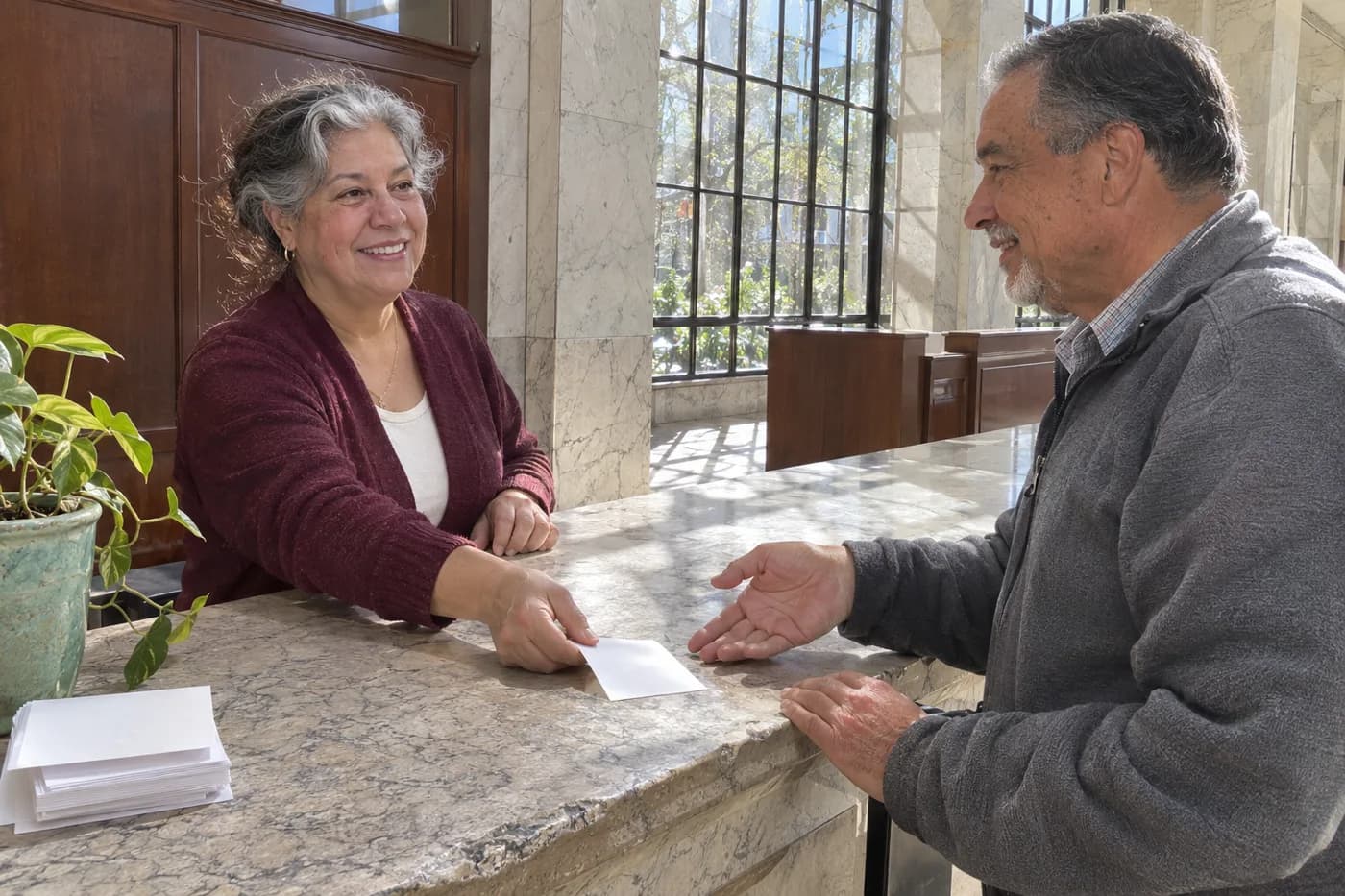


21 Money Rules From the 1960s Worth Bringing Back
Some of these money habits go back to the 1960s, like the Christmas club booklet and S&H Green Stamps, and some are their modern versions. Pick the ones that fit your bills, your income and your routine.
By Yury Byalik, J.D., Editor
Updated · 19 min read
The short answer: The old habits worth bringing back are the plain ones. Start with a week of spending notes, three budget envelopes and meals cooked at home. Use a Christmas club for holiday money, pay cash instead of carrying a card balance, and check layaway fees before you commit.
- Written by our editor
- Cited 38 sources
- How we review

This is general information, not financial, tax or legal advice for your situation. Read our full disclaimer
In 1963, the median American family earned about $6,200 for the whole year. Out of every dollar left after taxes, households were putting away close to 11 cents; by September 2026, that was down to 3.8 cents.
Those families had smaller paychecks and saved more as a nation, though the figures don't say why or what any one family could afford. Some habits of the time still help: a Christmas club booklet at the bank, dinners cooked at home, a close eye on where each dollar went.
Some of those habits are gone for good. Most still work, and a few are easier to keep now than they ever were. The most useful one, at number 1, starts with a single phone call.
21Growing a vegetable garden and canning at home

A vegetable patch can more than pay for itself. Gail Langellotto of Oregon State University reviewed published data on home gardens. She found the average plot produced about $677 worth of food against about $238 in materials, a net of about $439.
There are two catches. That figure leaves out your own hours, and results swing with your soil, your weather and what you plant. If kneeling in the dirt on a June evening sounds like a treat, the math is on your side. If it sounds like a chore, the farm stand is fine.
Canning is where an old habit needs today's rules. The CDC says to use only tested USDA canning methods. Low-acid foods like green beans can carry botulism if they're processed in a plain pot of boiling water.
Many county extension offices will check your canner's gauge. Call yours before the first jar goes on the stove.
20Stretching one big meal across the week
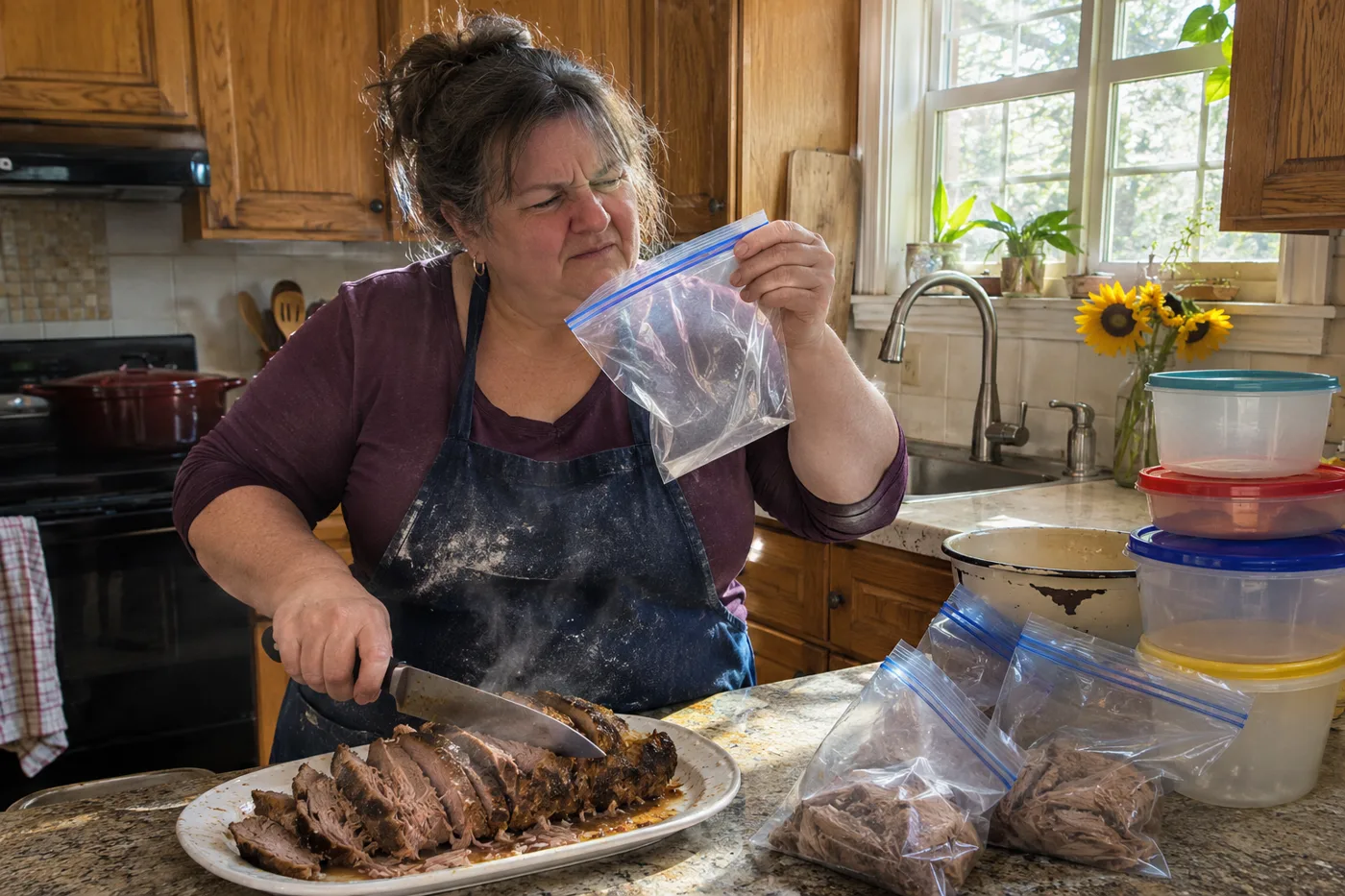
Cook once on Sunday and let the leftovers carry you. Monday, the sliced roast goes into sandwiches. Tuesday, it's hash with the last of the potatoes. Wednesday, the bones and scraps become soup.
In 1960, about one food dollar in five went to restaurants and takeout. Now it's about one in two. Cooking at home is the part of the old food budget we've let go the most.
Keep the week safe. Colorado State University Extension says to get leftovers into the fridge within 2 hours, eat or freeze them within 3 to 4 days, and reheat them to 165°F.
So a roast can't sit in the fridge for seven days. Freeze half of it on Monday night in meal-size bags, and Thursday and Friday's dinners are already made.
19Buying bulk meat for a chest freezer
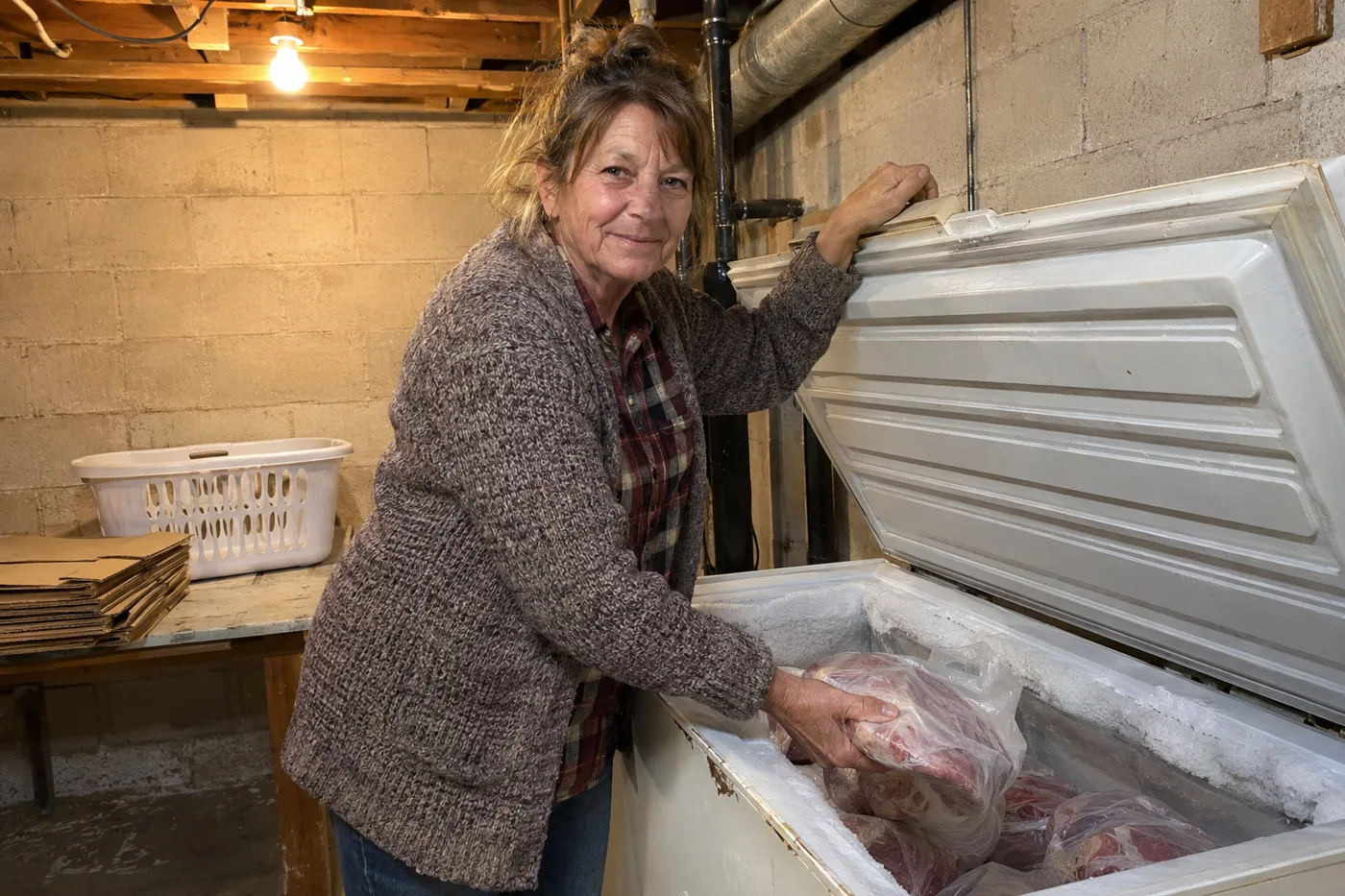
Is a chest freezer worth the floor space? It can be, if you have the room and the savings on meat you'll actually eat cover the freezer's price and running costs. ENERGY STAR puts a typical chest model at about $30 a year in electricity, roughly half what an upright costs to run.
Pick a manual-defrost model if you can. It uses about half the energy of an automatic-defrost one, which makes an afternoon of defrosting now and then worth it. Keep it indoors, set to 0°F, with a few inches of space behind it.
At 0°F, frozen meat stays safe indefinitely, according to University of Nebraska-Lincoln Extension. What fades is flavor and texture. Ground meat is at its best for 3 to 4 months, while steaks and roasts hold up much longer.
That's the honest test for a bulk buy: will you eat it before it turns dry and bland? If you live alone and the family pack would sit there until next summer, buy smaller.
Thaw in the fridge, never on the counter. Cook or refreeze thawed ground meat within 2 days and roasts within 3 to 5 days.
18Keeping a grocery price notebook
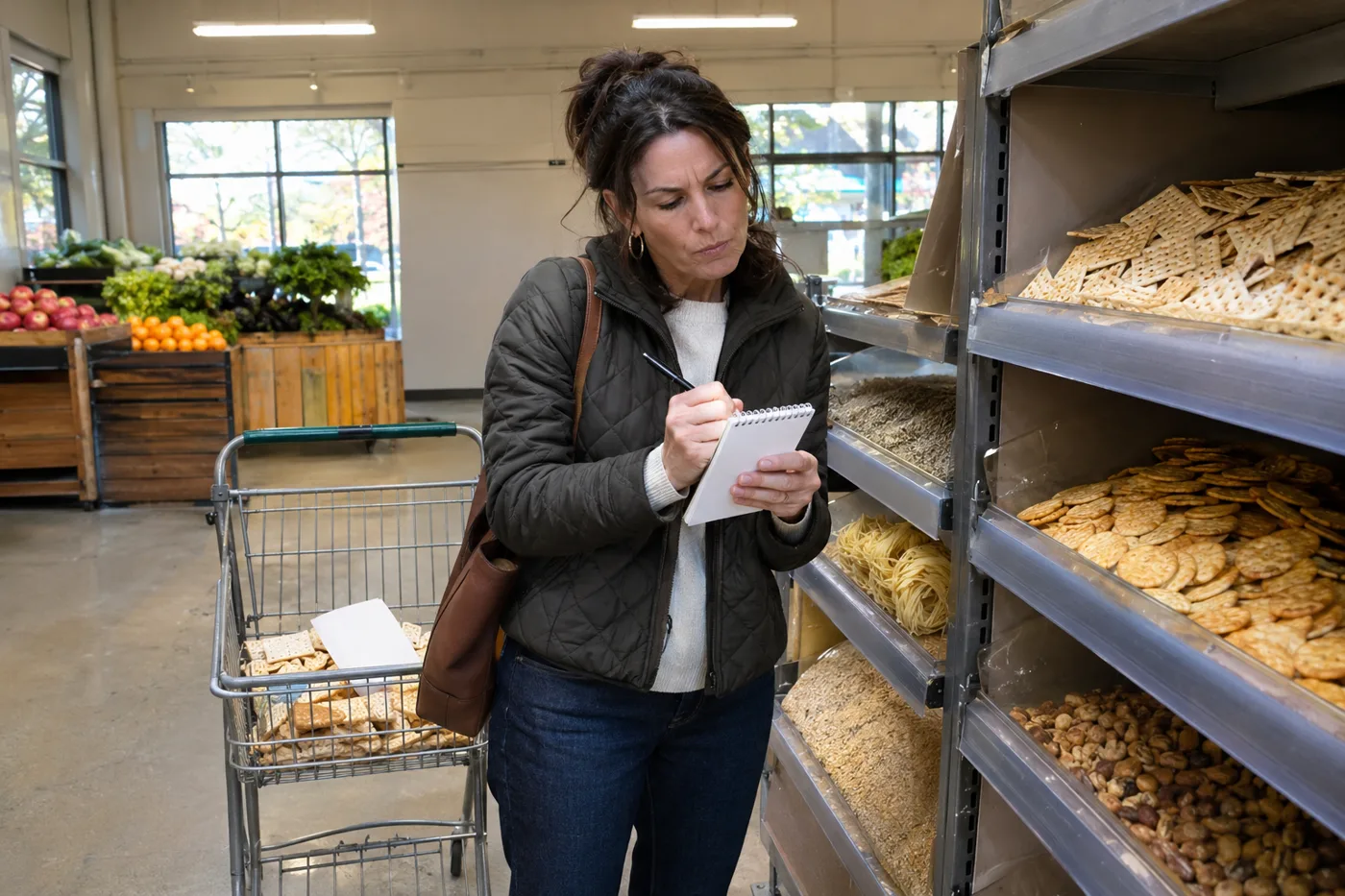
Here's how to set one up in ten minutes:
- Write down the 10 things you buy most often.
- Next to each, note the unit price from the shelf tag, not the sticker price.
- Add the store and the date.
- Record the same items at each store you already visit, using the same unit of measure. Recheck when you shop, and you'll see which store is cheapest for what, and which "sales" aren't.
The unit price is the cost per unit of measure, such as per ounce, according to the National Institute of Standards and Technology. It's also how you catch shrinkflation, when the box stays the same price but holds less.
A notebook shows you where to move your money as prices shift. The USDA forecasts grocery prices up 2.3% in 2026, with beef and veal up 8.7% and eggs down 29.3%. Right now, your notebook might be pointing you toward more omelets and fewer steaks.
17Using layaway for big purchases
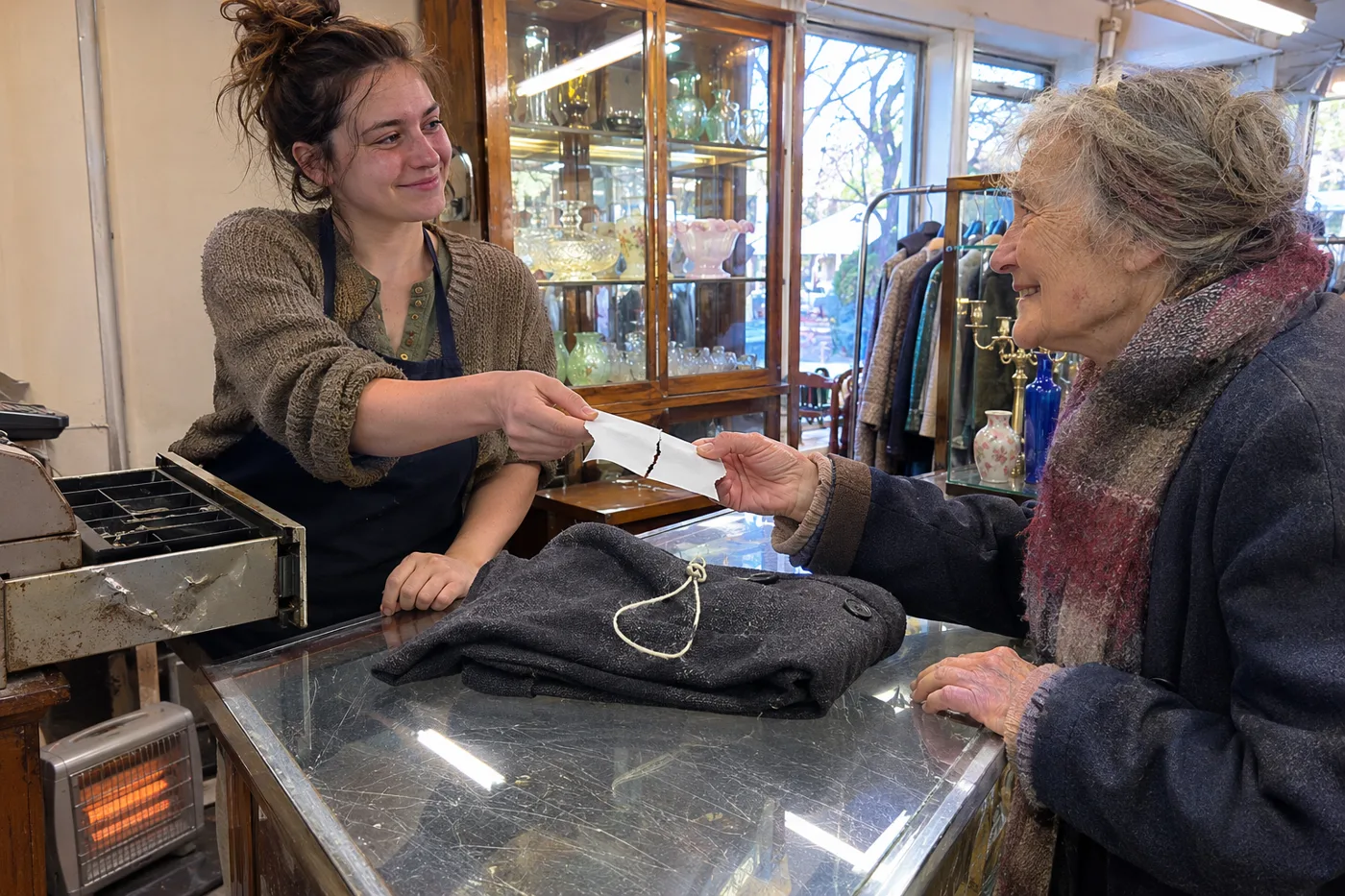
Layaway lets you pay for something over a few weeks while the store holds it in the back. The FTC explains that you put down a deposit plus any store fees, then have a short period, often 30 days, to pay the rest. You take it home only when it's paid in full.
Before you sign, say this at the counter: "What happens if I change my mind?" You want to know whether you'd get your money back and what fees you'd owe. Keep every payment receipt in one envelope.
Most states have their own layaway laws. If a store won't honor its terms, your state attorney general's office is where to check your rights.
Burlington's page carries no date, so confirm the terms at the register. Layaway suits a purchase you're sure about, like a winter coat you've already tried on. If you might change your mind, a store-credit-only refund makes it a poor fit.
16Trading S&H Green Stamps for household goods
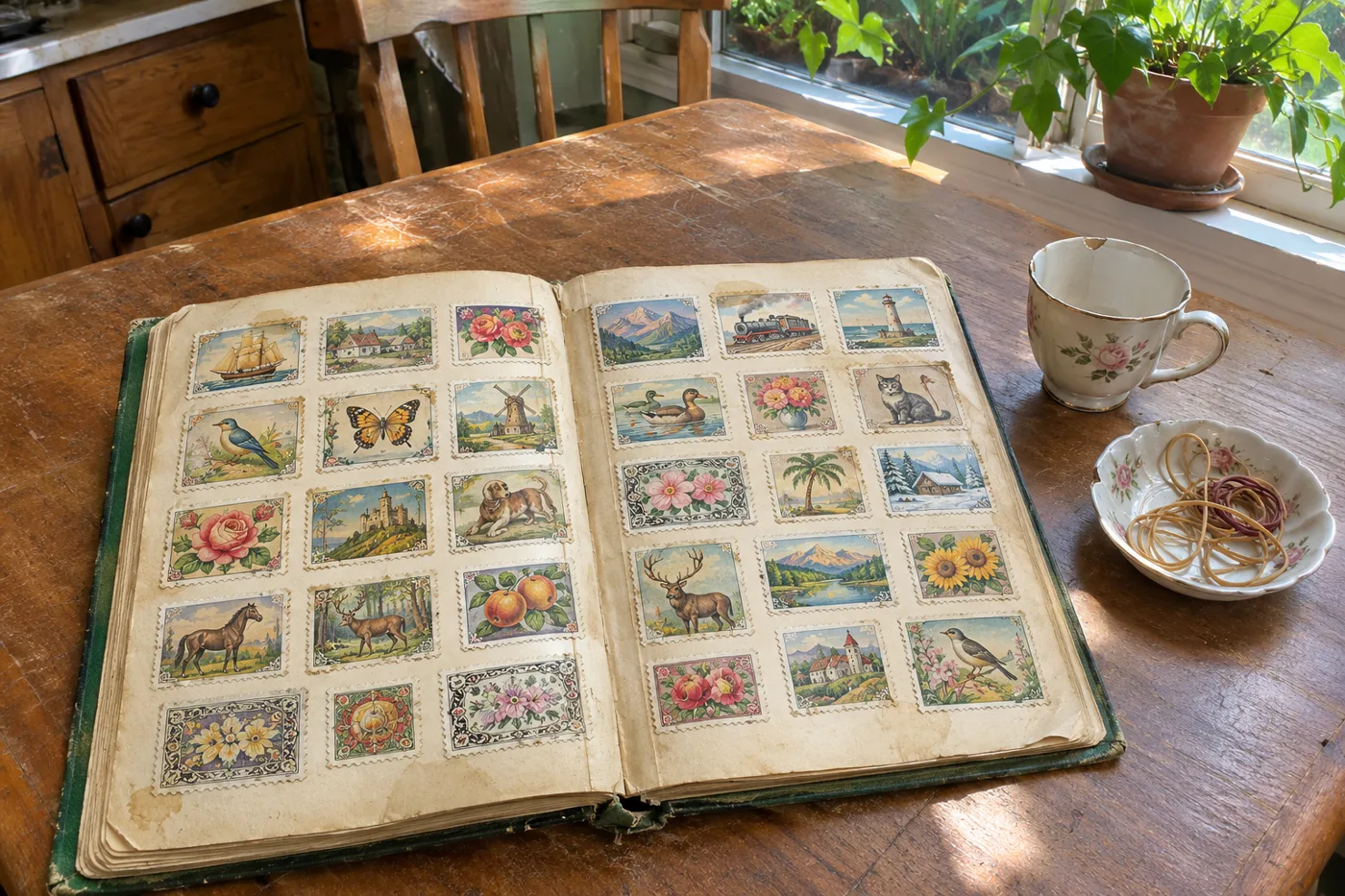
Green Stamps themselves are gone. Sperry & Hutchinson ended operations in 2020, and old stamps lost all their value, so a book you find in a drawer is a keepsake. What's worth bringing back is the habit behind them: letting small rewards from ordinary shopping pile up.
If you remember licking stamps into a book at the kitchen table, you're not alone. A full book held 1,200 points across 24 pages, and shoppers traded full books for household goods.
In the 1960s, the company says it issued three times as many stamps as the Postal Service, about 850 million stamps a week.
Today those small rewards are digital coupons in your grocery app.
At Kroger, a household can load up to 150 digital coupons and Cash Back offers at once, though you can't stack a coupon and a Cash Back offer on the same item. Load them on Sunday night, before the store.
15Line-drying laundry instead of using the dryer
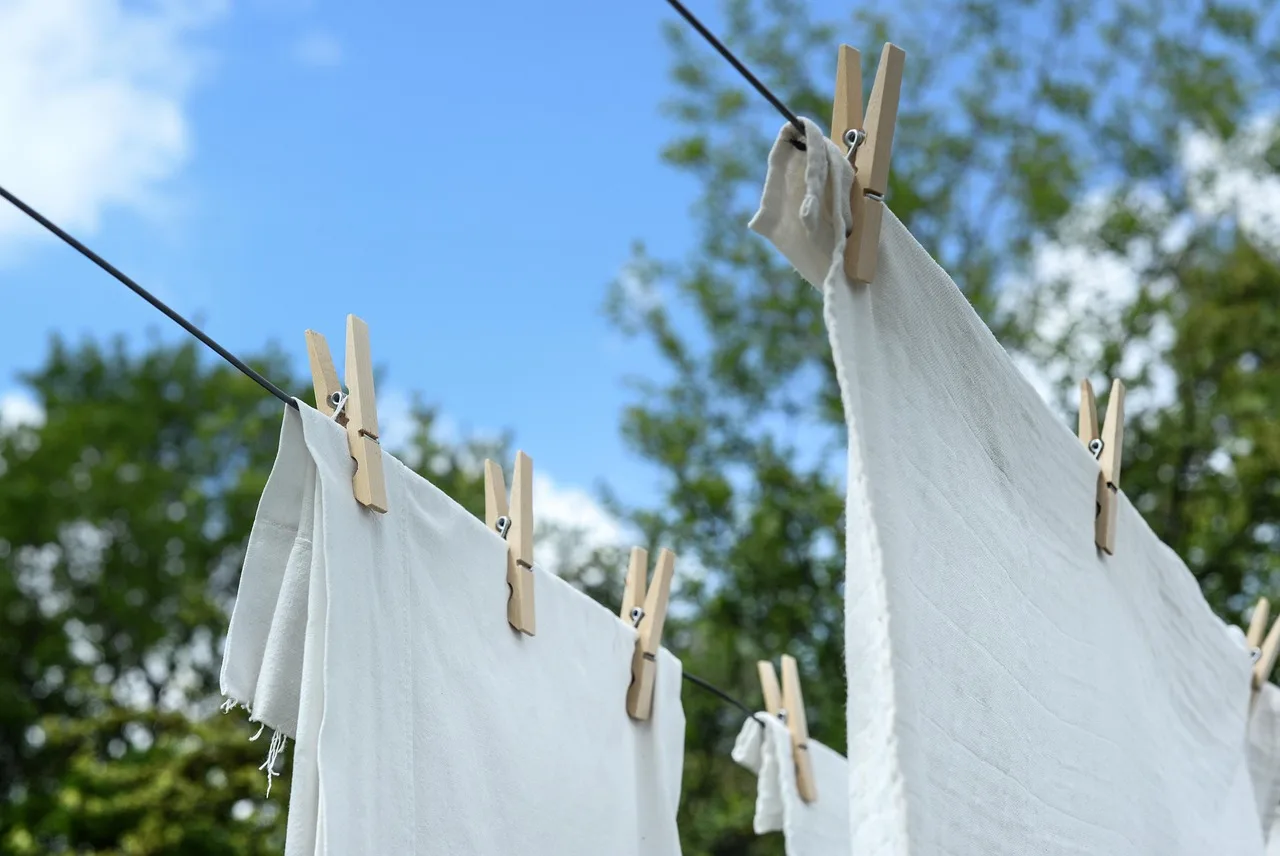
Your clothes dryer uses about 6% of the average home's energy, according to the National Park Service, which encourages air-drying on a clothesline or a drying rack. A folding rack in the spare room works in January as well as a line works in July.
You don't have to give up the dryer completely. Hang sheets and towels, and use the machine for the rest. ENERGY STAR says running the dryer an extra 15 minutes a day can cost up to $34 a year, so pull the load out when it's dry.
When you do run it, clean the lint filter after every load. Failure to clean was the leading factor in home dryer fires, according to the U.S. Fire Administration, at 31%.
14Washing in cold water to save energy
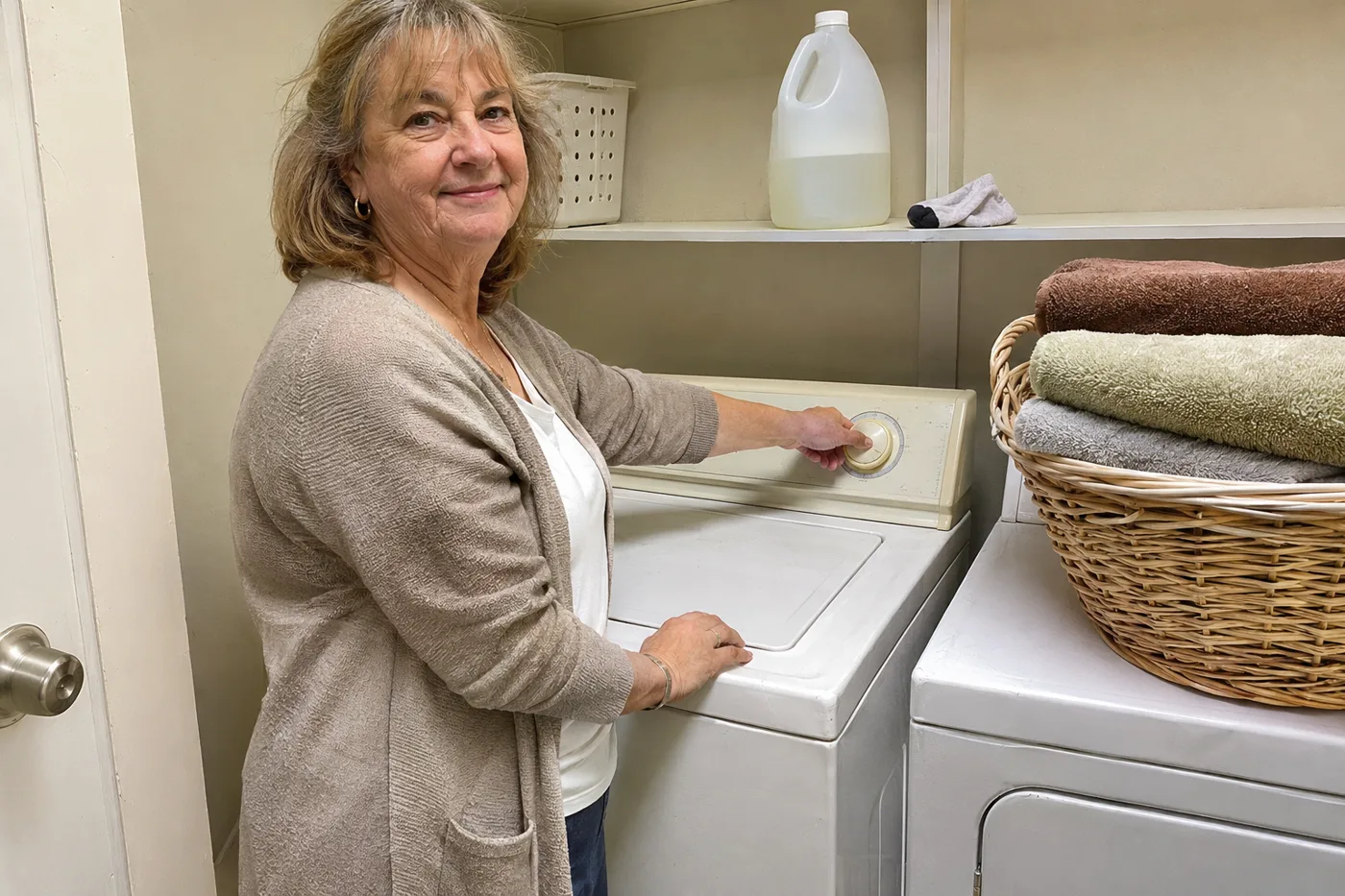
Turn the dial to cold. Heating water accounts for about 90% of the energy your washer uses to clean clothes, according to ENERGY STAR. The motor and the drum barely register next to it.
Wait for a full load, too. Washing only full loads saves more than 3,400 gallons of water a year, which shows up on the water bill if you pay one.
13Turning off lights and unused appliances
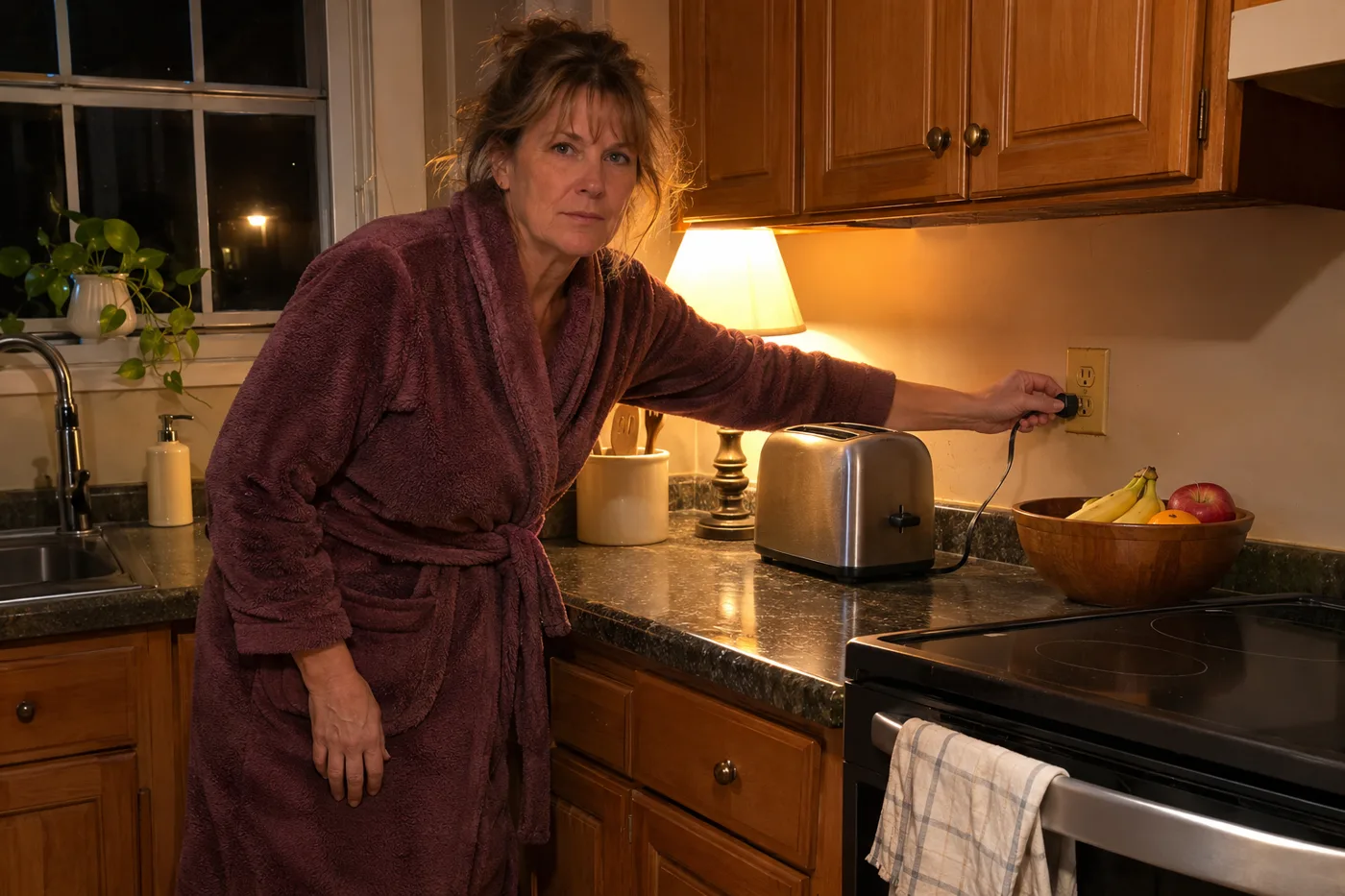
Make it part of the nightly walk-through, the same trip where you check the stove and lock the back door. Lamps off in empty rooms. The coffee maker and toaster unplugged.
The bulbs themselves matter more than the switch. ENERGY STAR says swapping five of your most-used bulbs for ENERGY STAR LEDs saves about $40 a year. LEDs use up to 90% less energy and last 15 times longer, so you'll climb the stepladder far less often.
For the TV, the cable box and the chargers that stay warm all night, ENERGY STAR suggests a power strip you can switch off. The U.S. Fire Administration adds a few rules: unplug small appliances when you're not using them, plug big ones like the fridge straight into the wall, and never overload a strip.
12Combining errands into one car trip
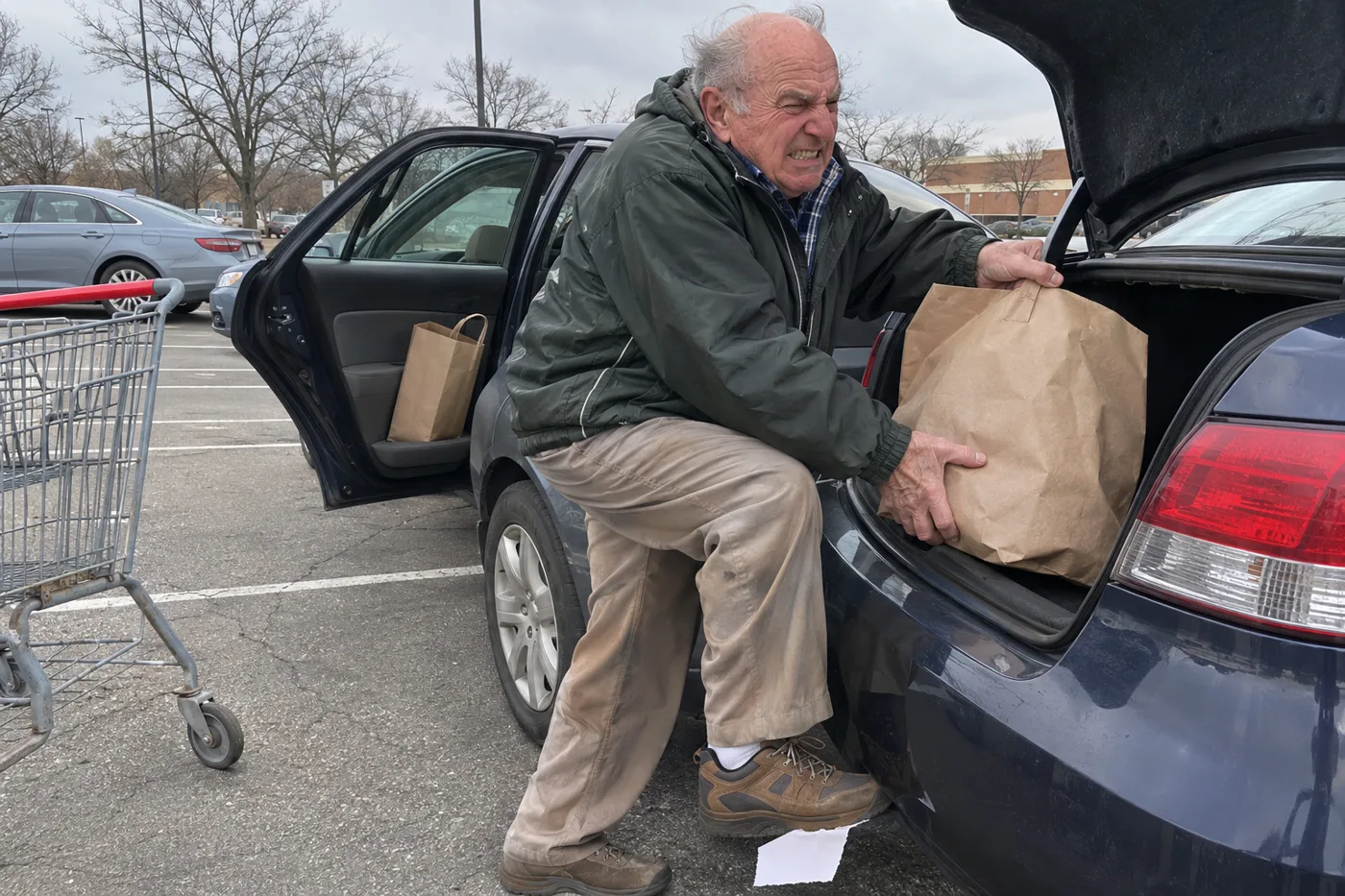
Pick one day for the loop: pharmacy, post office, bank, and the grocery store last, so the frozen peas go straight home.
It's worth the planning. FuelEconomy.gov says several short trips taken from a cold start can use twice as much fuel as one longer, multipurpose trip covering the same distance. If a neighbor goes the same way, share the ride. Carpooling can cut your weekly fuel costs in half.
11Paying cash
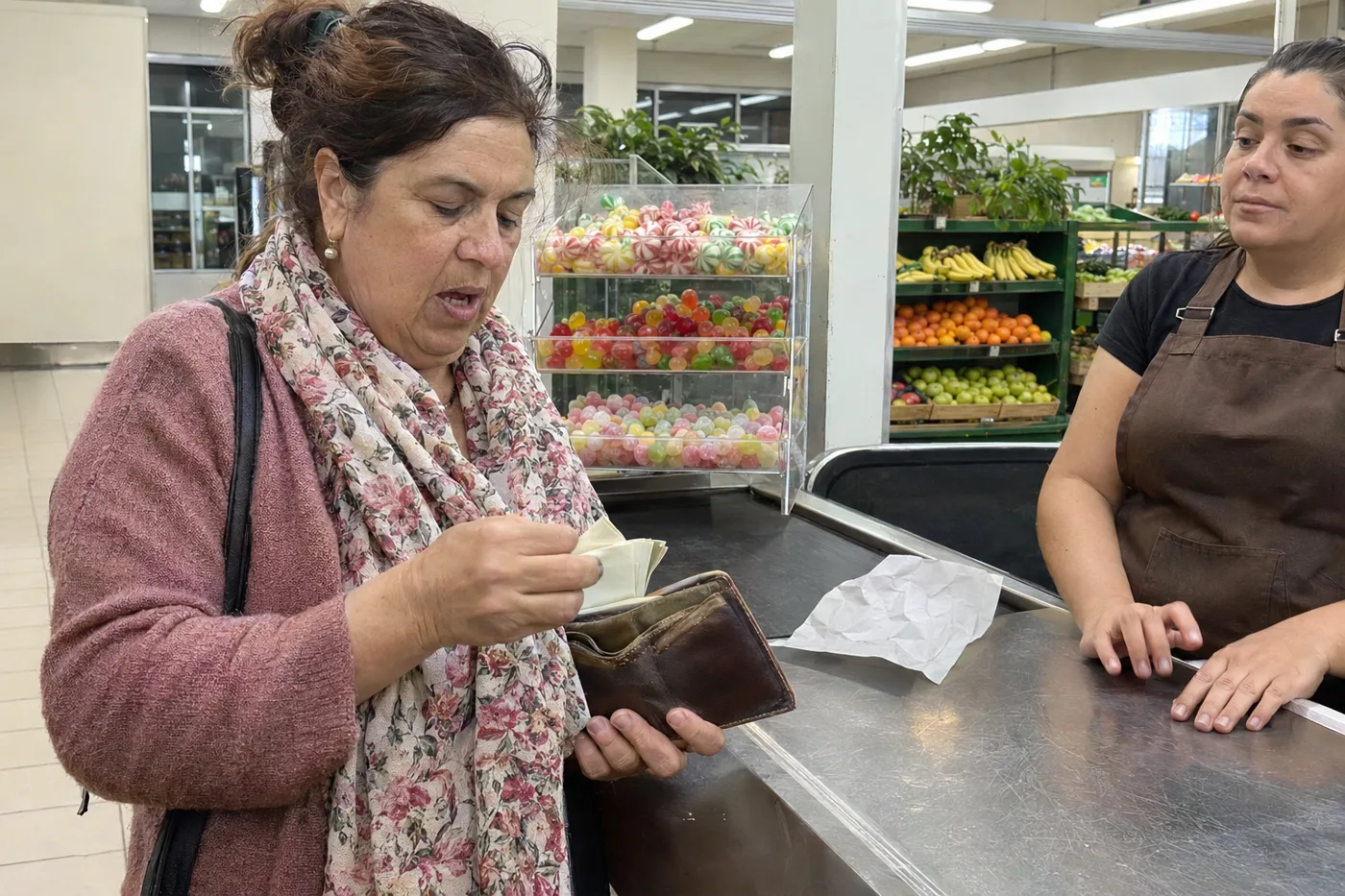
The rule is simple: if you don't have the money today, you don't buy it today. The reason is the interest. The average credit card rate reached 22.8% in 2023, the highest since the Federal Reserve started tracking in 1994, according to the CFPB.
Who should switch to cash? If you carry a balance from month to month, check your statement for your own rate. Paying cash for groceries and gas keeps new purchases off the card, though you still have to pay down the balance you already owe.
If you already pay the card off in full every cycle, the question is whether cash would help you stick to your budget.
George Kamel, an author and personal finance educator, makes the point that debt comes down to behavior more than math. His other rule fits anyone who's had a raise or a bump in Social Security: "Just because you're making more doesn't mean you need to spend more."
People who feel secure with money often describe the same pattern: they don't buy new things on credit to impress strangers.
10Writing every dollar in a spending notebook
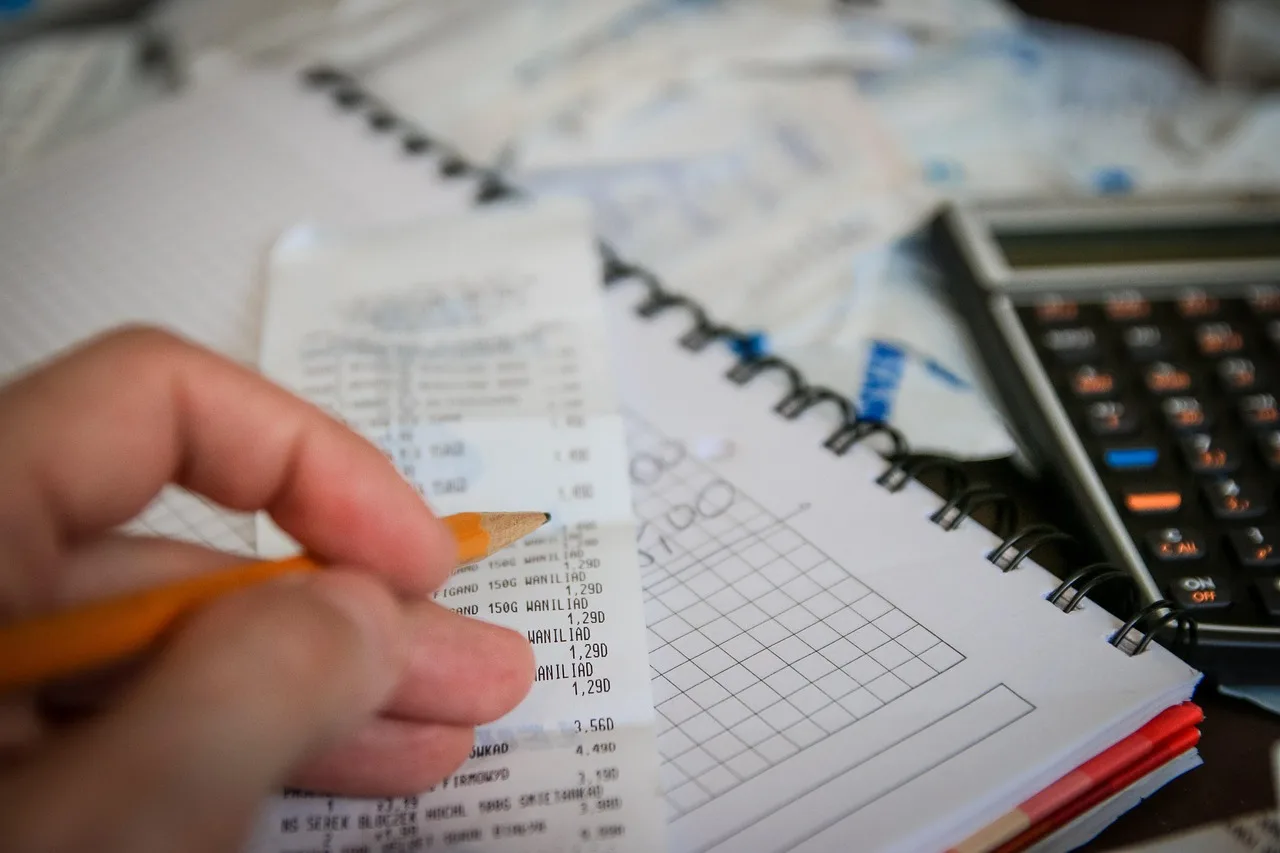
Start small. Keep a pocket notebook or a sheet of paper on the fridge, and for one week, write down everything you spend, down to the vending machine coffee.
That's how the CFPB suggests beginning, too: start with one week of receipts if tracking everything feels like too much. Then sort the week into categories such as utilities, housing, eating out and entertainment.
Ask people today for the one money rule they live by, and the answers repeat: live below your means, buy what you need before what you want. A notebook is how you find out whether you're doing it.
9Keeping a coin jar for emergencies
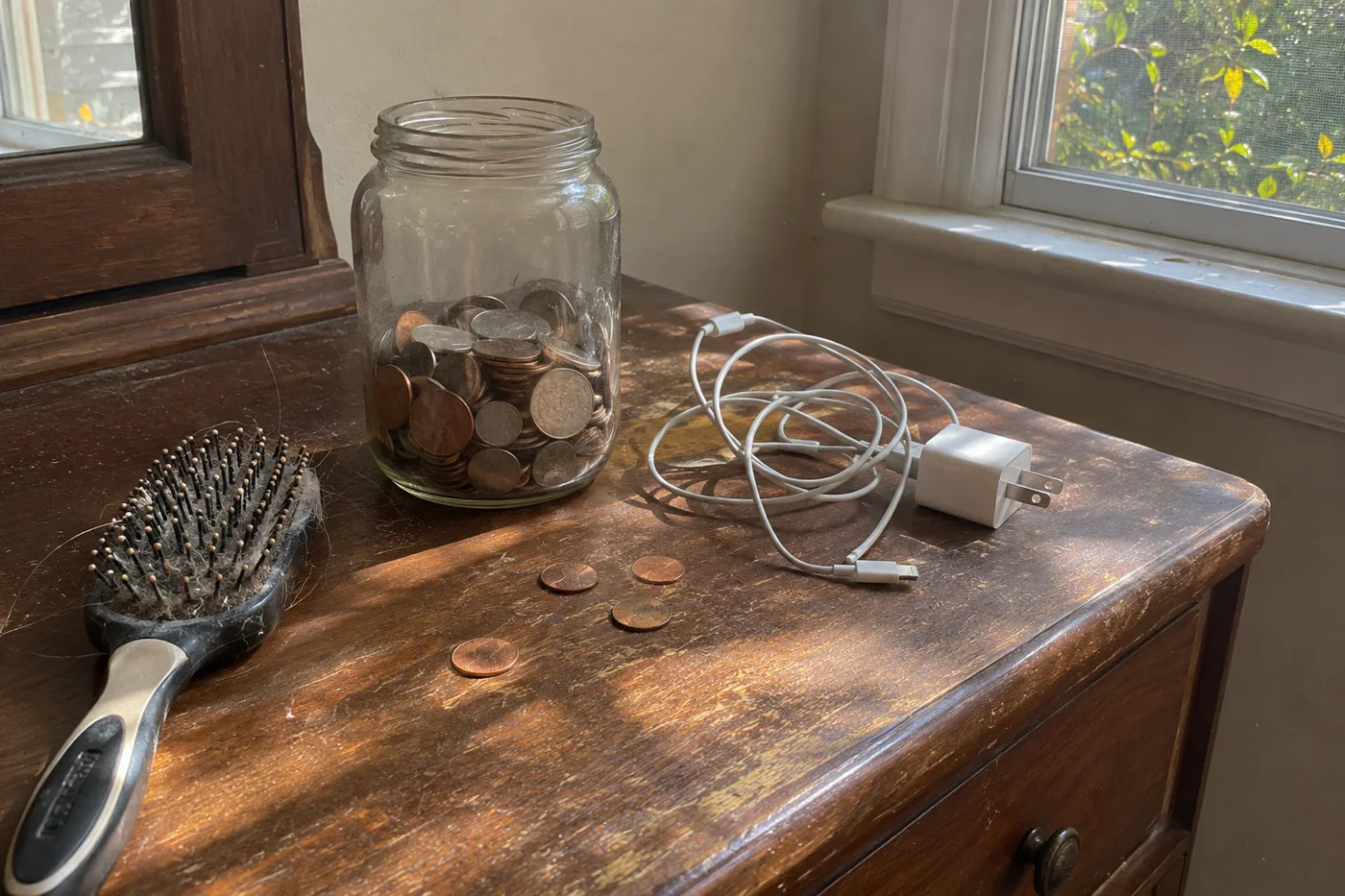
The jar on the dresser is where an emergency fund starts. The CFPB says even a small one can provide some financial security. Every evening, the change from your pocket or purse goes in.
Many people describe grandparents who trusted cash and safe places over the stock market. The CFPB's warning still applies, though: cash at home can be stolen, lost or damaged. A separate bank account is generally considered one of the safest places for the money once the jar fills.
Watch the fee when you cash it in. Coinstar kiosks may charge up to 15.9% plus up to $0.99 when you take cash, while most U.S. kiosks offer eGift cards with no fee.
For emergency savings, first ask your own bank whether it counts coins and what it charges. A no-fee eGift card can suit planned shopping, but it ties that money to one store.
How big should the cushion grow? For retirees living off their investments, the hosts of The Money Guy Show, Brian Preston and Bo Hanson, say the usual three to six months of expenses isn't enough.
Hanson warns against overdoing it, too: "Just because you turned 65 doesn't mean that all of a sudden you take all of your investment assets and you bury them in a coffee can." Part of your money still has to grow to cover your 70s, 80s and 90s.
8Bartering skills and goods with neighbors

You hem her curtains, she drives you to your eye appointment. You trade a dozen jars of jam for a winter's worth of snow shoveling. Swaps like these keep money in both pockets.
Do you owe tax on a trade? The IRS says bartering income is taxable: you include the fair market value of what you receive in your income for that year. Informal swaps of similar services, like a babysitting cooperative run by neighborhood parents, fall outside the IRS's barter exchange reporting rules.
That exception covers the reporting rules for barter exchanges, not income tax itself. Taxable barter goes on Schedule C if it's business barter, otherwise on Schedule 1. If you're unsure how your swaps count, ask a tax preparer.
7Waiting a few days before any big purchase
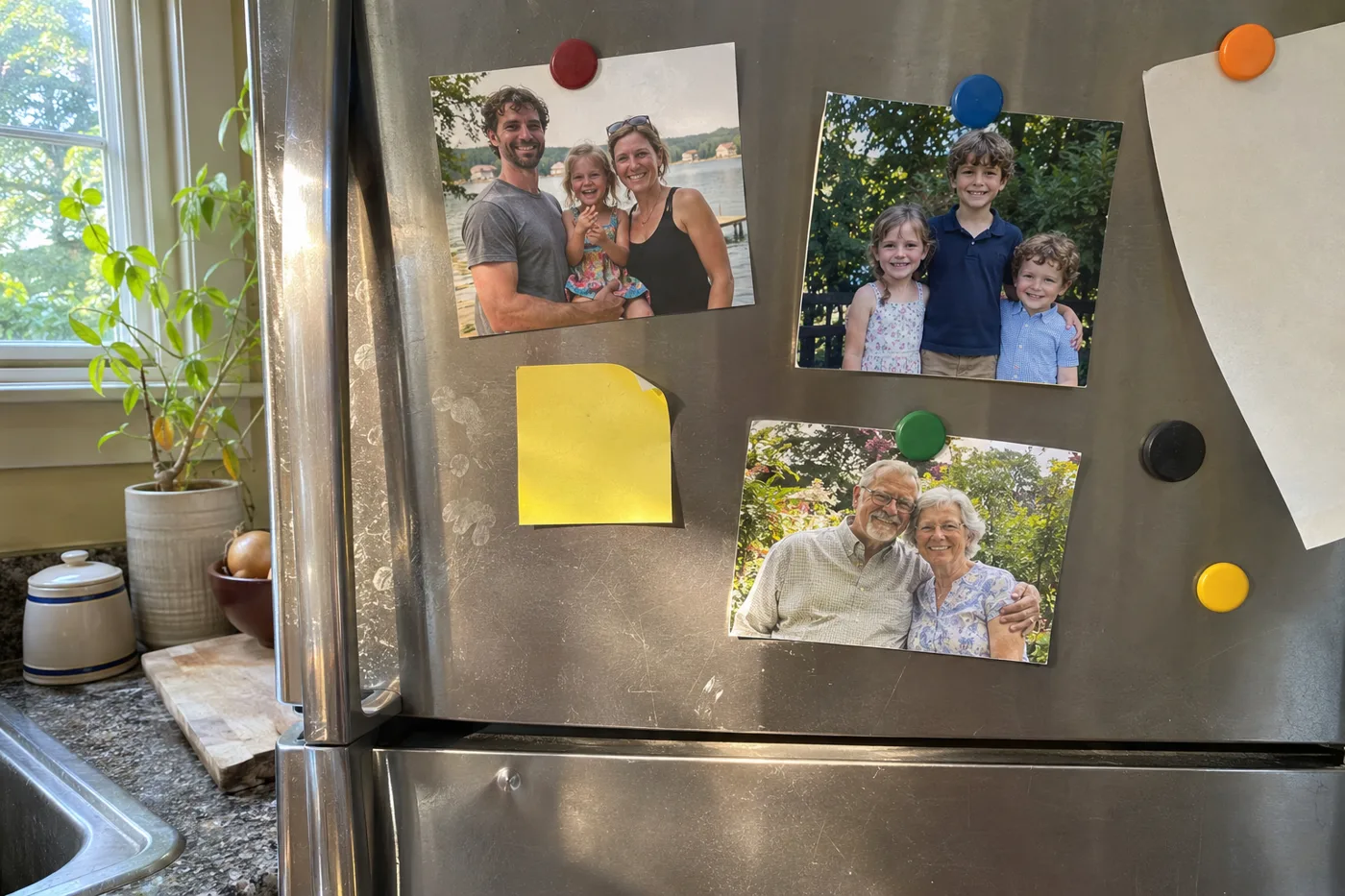
Write the item and the price on a sticky note, put the date on it, and stick it on the fridge. If you still want it when the waiting time is up, buy it.
There's no official rule for how long to wait, so pick a number of days you'll actually keep. The pause is what matters. Dave Zoller, a CFP with Streamline Financial, puts it modestly: "It might be worth an extra 10 minutes just to reflect on the reason behind the next expensive purchase."
He tells of a retired client who bought his dream car, only to find the thrill gone within weeks. The client's advice afterward: rent the experience first, and buy only if it still feels worth it. That might mean renting the convertible for a long weekend before signing for one.
6Making extra payments to cut mortgage interest

Before you send a dollar extra, call your mortgage lender and ask two things. Does my loan have a prepayment penalty? And how do I make sure an extra payment goes to principal?
The CFPB says prepayment penalties do not normally apply if you pay extra principal in small chunks at a time. Even so, it's always a good idea to double-check with the lender. Read the fine print on when a penalty kicks in and how much it is.
This suits you best if your emergency savings are already in place and you plan to stay in the house. Add the extra to the regular payment, then check the next statement to see where it landed.
5Using the envelope system for monthly bills
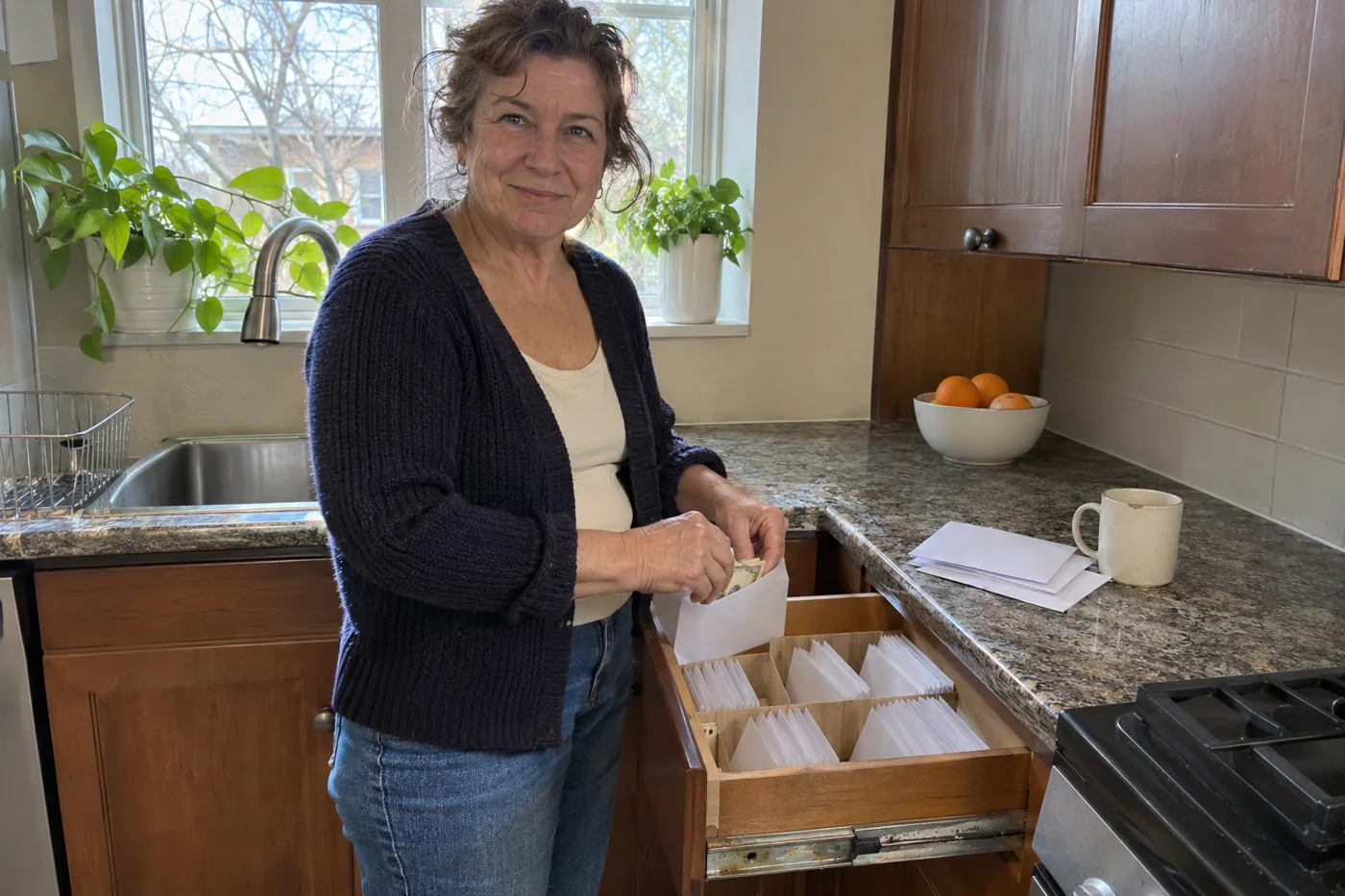
The envelope system is simple. You set money aside for each category. For flexible spending such as groceries, gas and gifts, you stop when its envelope is empty. For a bill such as electricity, you reserve the amount due and plan for any shortfall before the due date.
Ask people how bills worked before apps, and many describe a paper trail: checks mailed with a stamp, a check register, hours each month balancing the checkbook. Banks kept short hours, and if you missed the Friday payday line, there was no cash until Monday.
To set the amounts, the CFPB suggests four steps. Track your income. Log your spending by category, starting with one week. Map bill due dates against paydays. Then put it all on a budget worksheet.
Paper envelopes in a kitchen drawer work well for spending you do in person. For bills paid online, there are digital versions. Goodbudget's free plan gives you 20 envelopes on your phone, and Premium runs $80 a year. An Ally Bank savings account lets you create up to 30 buckets, all earning interest.
Start with three envelopes, not twenty. Groceries, gas and "the one I always blow," whatever that is for you.
4Joining a Christmas club
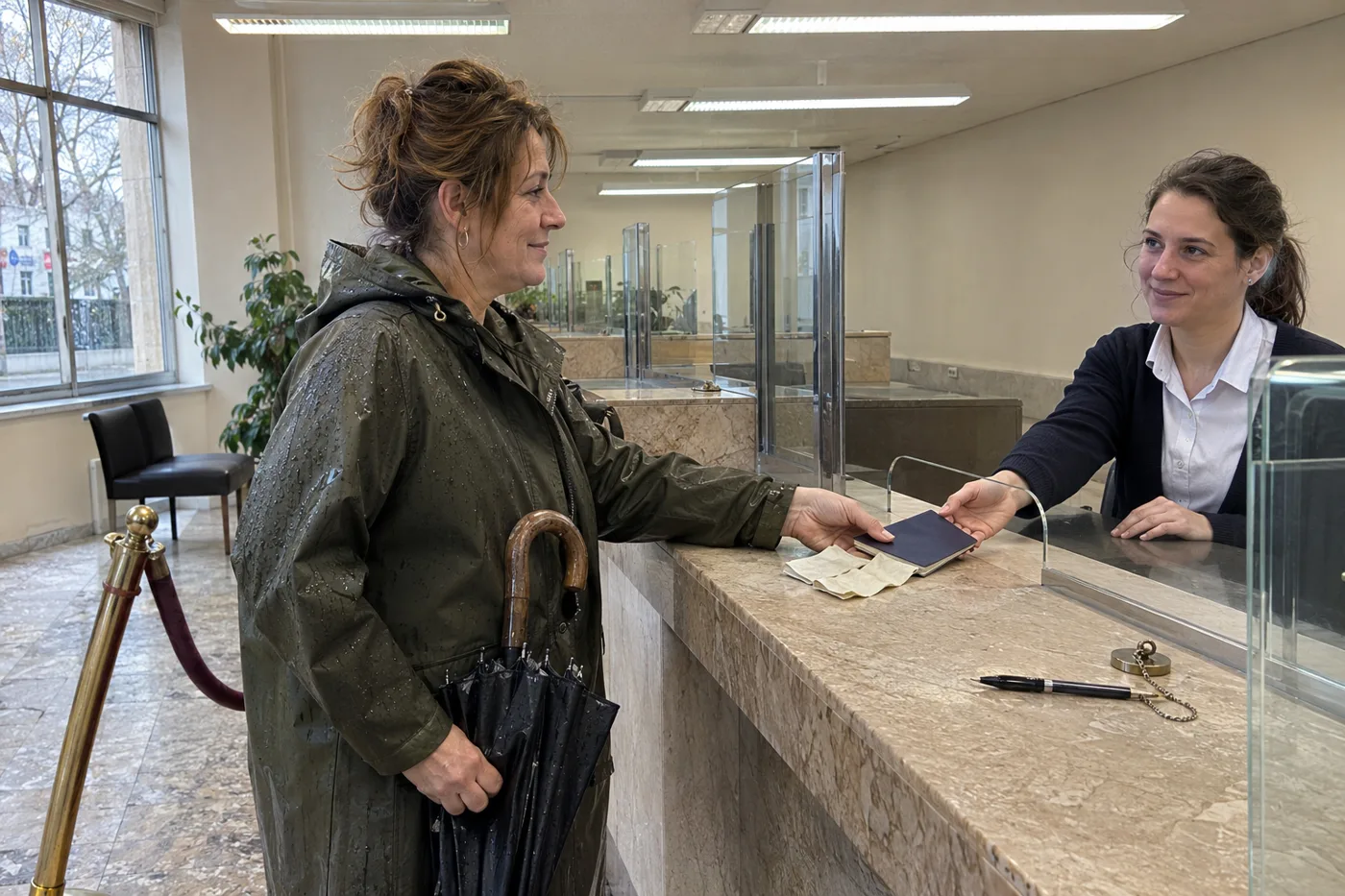
Yes, at some banks. The idea goes back to 1909, when Merkel Landis, treasurer of the Carlisle Trust Company in Pennsylvania, started the first documented Christmas savings fund. About 350 people joined.
The accounts paid little interest and charged a fee for early withdrawals. That was the point. They were built to protect people's money from themselves, and they grew through the 1950s and 1960s before fading in the 1970s.
Here's what a current one looks like.
CVNB's page doesn't say where its branches are, so it may not be near you. Call your own bank and ask for a "Christmas club" by name. The interest is small. The money sitting where you can't easily touch it is what makes December calmer.
3Opening a passbook savings account

Yes, though you'll have to look. Alden State Bank, a community bank, still offers a Passbook Savings Account that opens with $1 and has no monthly service fee. Every deposit and withdrawal is recorded in the passbook, and deposits are FDIC-insured.
It pays interest on balances of $50 or more, compounded quarterly, but rates on accounts like this are usually low. A passbook suits you if you like holding a written record in your hand and watching it grow line by line. It isn't the place to earn the most.
Its page doesn't say where it operates or who can open an account, so it may not be near you. Some community banks still offer these accounts, so ask for one by name.
2Returning glass bottles for deposit money
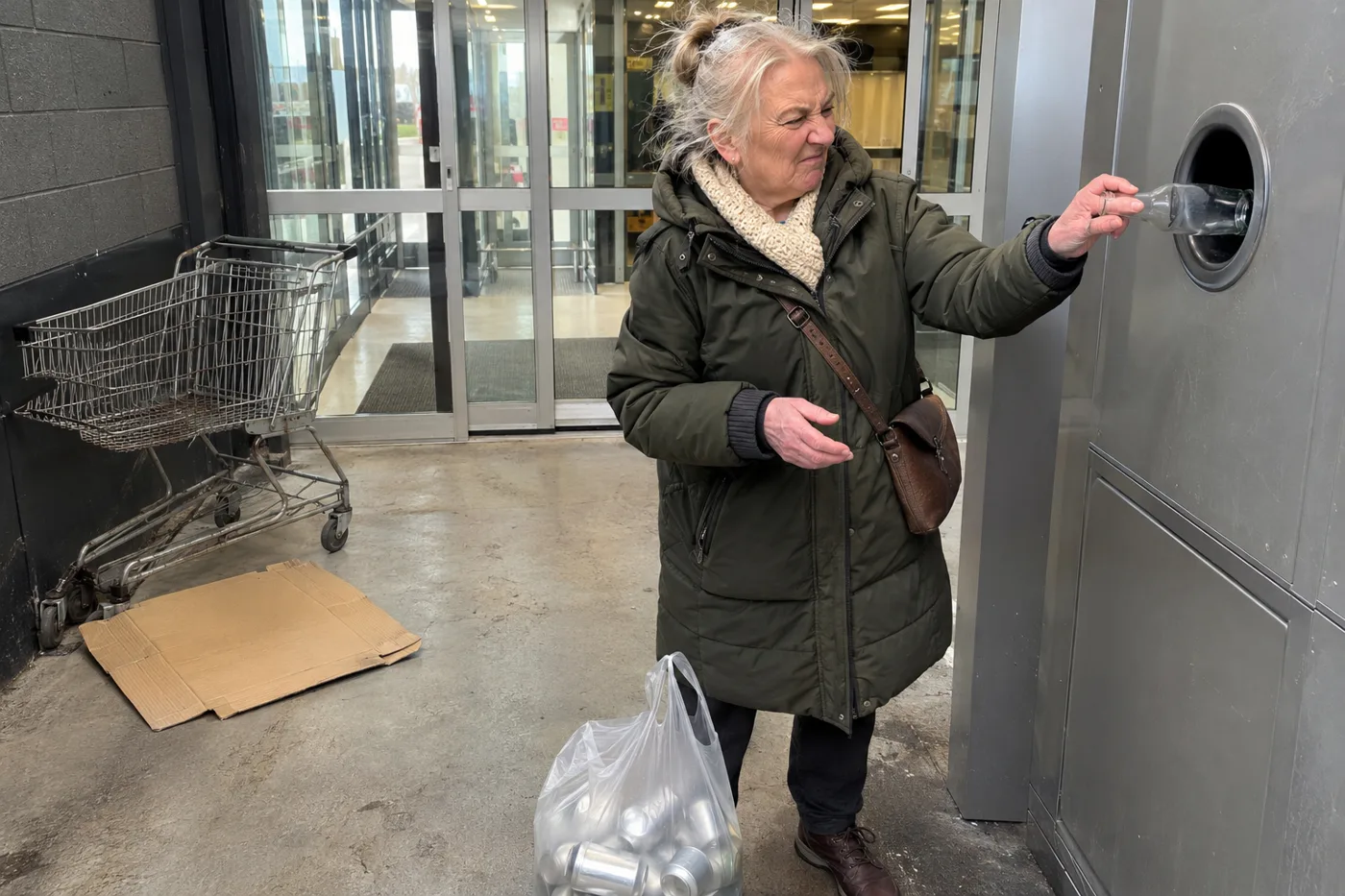
If your state pays a deposit on bottles and cans, every one you toss in the recycling bin is a nickel or a dime gone. Oregon's Bottle Bill was signed in 1971 with a 5-cent refund. It rose to 10 cents in 2018, after return rates stayed below 80% for two years running.
In California, use CalRecycle's online locator to find a recycling center, and call ahead before you load the trunk. If you live elsewhere, your state's environmental or recycling agency can tell you whether a deposit law covers you.
Keep a bag by the back door for empties. Return them when you're already near a redemption point, so the trip doesn't eat into the refund.
1Joining a credit union
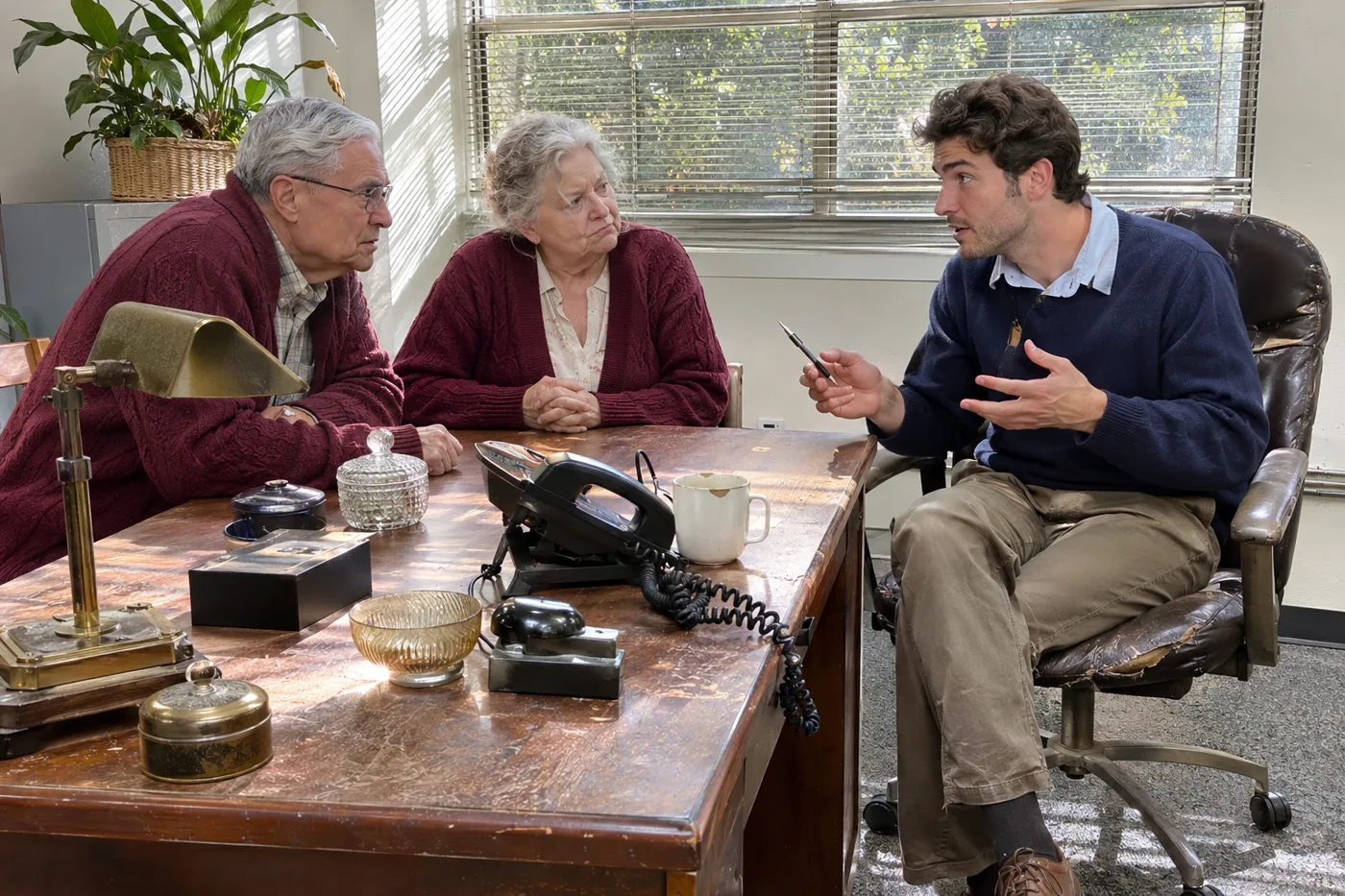
You likely qualify for at least one, through a common bond: your job, your family, where you live, work, worship or go to school, or a group such as a union. The NCUA's locator at mapping.ncua.gov shows the ones near you.
A credit union is not-for-profit and owned by its members, who elect a volunteer board. Profits come back to you as lower fees, higher savings rates and lower loan rates.
At federally insured credit unions, deposits are covered up to $250,000 per ownership category, so confirm the coverage for your accounts before you deposit.
The loan rates are where it shows. Federal credit unions can't charge more than 18% on most loans through September 10, 2027; payday alternative loans can run up to 28%. Ask for a quote on the loan you need and compare its APR and fees with your current lender's.
Some community banks and credit unions still offer Christmas clubs and plain savings accounts, so call and ask by name. For a credit union, pull up the locator, find the closest one, and call to ask: "Who can join?"
The bottom line
If you do one thing this week, call one credit union or community bank near you. Ask who can join, whether they offer passbook savings, and whether they run a Christmas club. That call tells you which of the oldest saving habits are still on offer near you and what it takes to open one.
If money runs short before the month does, start with the spending notebook for one week, then three envelopes. If you're steady but want an emergency cushion, let the coin jar start a separate bank account for it, and keep Christmas club money for the holidays.
If the bills themselves feel too high, start with changes that use what you already have: the washer dial set to cold, a clothesline or drying rack you own, and one errand loop a week. Pick one to try this week.
Up next
19 Things Bank Tellers Wish You Would Stop Doing
What the people behind the counter see every day, from coin jars to overdraft fees (the charges when your account dips below zero), and which habits quietly cost you money or trouble.
Read the list →


Questions people also ask
What is the envelope budgeting system?
It's a budget where you set money aside for each category. An empty envelope marks the limit for flexible spending, and bill envelopes hold the money each bill needs by its due date. You can use paper envelopes, an app such as Goodbudget, whose free plan has 20 envelopes, or a bank's digital buckets, such as Ally's up to 30. The CFPB suggests tracking a week of spending first so your amounts are realistic.
Can you still open a passbook savings account today?
Yes, at some community banks, though they're hard to find. Alden State Bank, for example, opens one for $1 with no monthly fee and records deposits and withdrawals in a paper passbook. Rates are usually low, and banks like this serve local areas, so call the banks near you to ask.
What was a Christmas Club account?
It was a savings account you paid into every week and got back in one payout just before the holidays, with fees for taking money out early. The first documented one started in 1909 at the Carlisle Trust Company in Pennsylvania, and they grew most popular in the 1950s and 1960s. Some banks still offer them; CVNB's current club opens with $5 and pays out in September 2027.
How much more did people save in the 1960s than now?
Roughly three times as much, as a share of income. The personal saving rate ran between about 10% and 12% of disposable income through the 1960s, compared with 3.8% in September 2026, according to the Bureau of Economic Analysis. The rate is revised often, so older, lower figures for 2026 still circulate.
What were S&H Green Stamps?
They were trading stamps shoppers got at checkout, pasted into 1,200-point books, and traded for household goods. Sperry & Hutchinson started them in 1896 and issued them in huge numbers during the 1960s. The company ended operations in 2020, and old stamps can no longer be redeemed.
What's the difference between a credit union and a bank?
A credit union is a not-for-profit financial institution owned by its members, who elect a volunteer board, and it returns profits as lower fees, higher savings rates and lower loan rates. At federally insured credit unions, deposits are covered up to $250,000 per ownership category, so confirm the coverage for your accounts. To join, you need a common bond such as your job, family, where you live or a group you belong to.
Did any of these feel familiar?
Know someone who needs this?
Sources cited in this article
This article links to 38 outside sources, listed here so you can read them yourself.
- Earned about $6,200 www.census.gov/library/publications/1964/demo/p60-043.html
- Average plot produced about $677 worth of food against about $238 in materials commons.joe.org/joe/vol52/iss2/14
- Use only tested USDA canning methods cdc.gov/botulism/prevention/home-canned-foods.html
- One food dollar in five went to restaurants and takeout www.ers.usda.gov/amber-waves/2020/november/average-share-of-income-spent-on-…
- About one in two www.ers.usda.gov/data-products/ag-and-food-statistics-charting-the-essential…
- Get leftovers into the fridge within 2 hours extension.colostate.edu/resource/holiday-meat-safety
- About $30 a year in electricity www.energystar.gov/products/freezers
- Stays safe indefinitely food.unl.edu/frozen-meat-safety
- Cost per unit of measure, such as per ounce nvlpubs.nist.gov/nistpubs/SpecialPublications/1181e2025/NIST.SP.1181e2025.html
- Forecasts grocery prices up 2.3% in 2026 ers.usda.gov/data-products/food-price-outlook/summary-findings
- Burlington's page www.burlington.com/helpcenter/layaway
- Ended operations in 2020 en.wikipedia.org/wiki/S%26H_Green_Stamps
- About 850 million stamps a week mygreenstamps.com/About/Blogs/the-story-of-the-stamp
- Load up to 150 digital coupons and Cash Back offers at once www.kroger.com/hc/help/faqs/ways-to-save/cash-back
- About 6% of the average home's energy www.nps.gov/articles/laundry.htm
- Failure to clean was the leading factor www.usfa.fema.gov/prevention/home-fires/prevent-fires/appliance-and-electrical
- ENERGY STAR www.energystar.gov/products/recent_program_updates/low-no-cost-tips
- Several short trips taken from a cold start can use twice as much fuel www.fueleconomy.gov/feg/planning.shtml
- Reached 22.8% in 2023 www.consumerfinance.gov/archive/blog/credit-card-interest-rate-margins-at-al…
- Debt comes down to behavior more than math www.youtube.com/watch?v=PxWhKbNO9EU&t=61s
- "Just because you're making more doesn't mean you need to spend more." www.youtube.com/watch?v=PxWhKbNO9EU&t=490s
- Start with one week of receipts www.consumerfinance.gov/archive/blog/budgeting-how-to-create-a-budget-and-st…
- Can provide some financial security www.consumerfinance.gov/an-essential-guide-to-building-an-emergency-fund
- May charge up to 15.9% plus up to $0.99 www.coinstar.com/helpcenter
- "Once you're living off these assets in retirement, that number expands out to 18 to 36 months of very safe secure assets." www.youtube.com/watch?v=BNkUdOSg9U4&t=121s
- "Just because you turned 65 doesn't mean that all of a sudden you take all of your investment assets and you bury them in a coffee can." www.youtube.com/watch?v=BNkUdOSg9U4&t=243s
- Bartering income is taxable www.irs.gov/taxtopics/tc420
- "It might be worth an extra 10 minutes just to reflect on the reason behind the next expensive purchase." www.youtube.com/watch?v=QhLJUjyVW7U&t=797s
- Prepayment penalties do not normally apply www.consumerfinance.gov/ask-cfpb/what-is-a-prepayment-penalty-en-1957
- Goodbudget's free plan goodbudget.com/help/billing/subscribe-to-goodbudget
- Up to 30 buckets www.ally.com/help/bank/savings-money-market
- First documented Christmas savings fund www.agfinancial.org/resources/article/christmas-clubs
- CVNB's page www.cvnb.com/personal/christmas-club-account
- Passbook Savings Account www.aldenstate.com/personal/personal-savings/passbook-savings.html
- Rose to 10 cents in 2018 www.oregon.gov/deq/recycling/pages/bottle-bill.aspx
- Owned by its members mycreditunion.gov/about/what-credit-union/how-credit-union-different-bank
- Can't charge more than 18% on most loans ncua.gov/newsroom/press-release/2026/ncua-board-extends-loan-interest-rate-c…
- Replace it if it reads more than 2 pounds high or low nchfp.uga.edu/how/can/general-information/recommended-canners
Yury Byalik, J.D.
Editor
Yury Byalik edits PennySaver USA. Trained as a lawyer, Yury has spent 20 years building and running websites.
More from Yury Byalik
