



29 Grocery Store Habits to Stop Right Now
Twenty-nine grocery-store habits, from trusting end-cap signs to skipping the receipt check, each with a quick fix that keeps more dollars in your wallet.
By Yury Byalik, J.D., Editor
Updated · 22 min read
The short answer: The most common grocery shopping mistakes are shopping without a list, going to the store hungry, skipping unit-price checks, ignoring store brands, and letting end-cap displays or eye-level shelves steer the cart. In one study, shoppers assigned to write a list bought fewer items than those who only set a budget. That makes a list built from a meal plan the best-backed fix.
- Written by our editor
- Cited 36 sources
- How we review
You had the coupon app open. You walked right past the cookie aisle. You still stood at the register watching the total climb past your guess. Then you got home, unpacked the bags, and found a third jar of the same pasta sauce in the cupboard.
That gap between what you meant to buy and what came home isn't a character flaw. Stores are laid out and stocked to widen it, and a handful of small habits quietly help them along. Some fixes take ten seconds in the aisle. A couple of them are worth real money every single month.
29Going to the store hungry

It's 11:40. The eye appointment ran long, the store is on the way home, and you haven't eaten since breakfast. That's the trip where a rotisserie chicken, a bag of kettle chips and a box of cinnamon rolls ride home next to the milk you came for.
"Before you go to the store, have a snack. Otherwise, it is tempting to add many more items," says Julie Garden-Robinson, PhD, RD, a food and nutrition specialist at NDSU Extension. Ohio State dietitian Mara Weber gives the same two-part advice: have a list in hand, and don't arrive hungry.
Keep a granola bar or a small bag of almonds in the car door. Eat it in the parking lot with your list on your lap.
28Relying on a spending limit alone, without a list
You might wonder whether a firm budget does the same job. You set a number in your head and watch every price. It feels disciplined.
It doesn't hold up as well. In a study by Carleton University psychologist Johanna Peetz, shoppers who only set a spending goal bought about as many items as people with no budget at all.
Both groups bought more than the people who wrote a list. Her verdict: "Writing a shopping list is better than simply setting a budget."
A budget tells you how much. A list tells you what, and the "what" is where extras sneak in. Shoppers grow more likely to make unplanned purchases the longer a trip goes on, according to research from Notre Dame and the University of Pittsburgh. The authors suggest tracking planned spending separately from unplanned spending.
Keep your budget and add the list. When something off the list goes in the cart, write it at the bottom of the page with its price. By aisle six, you'll see exactly how far you've drifted.
27Not checking unit price before buying the bigger size
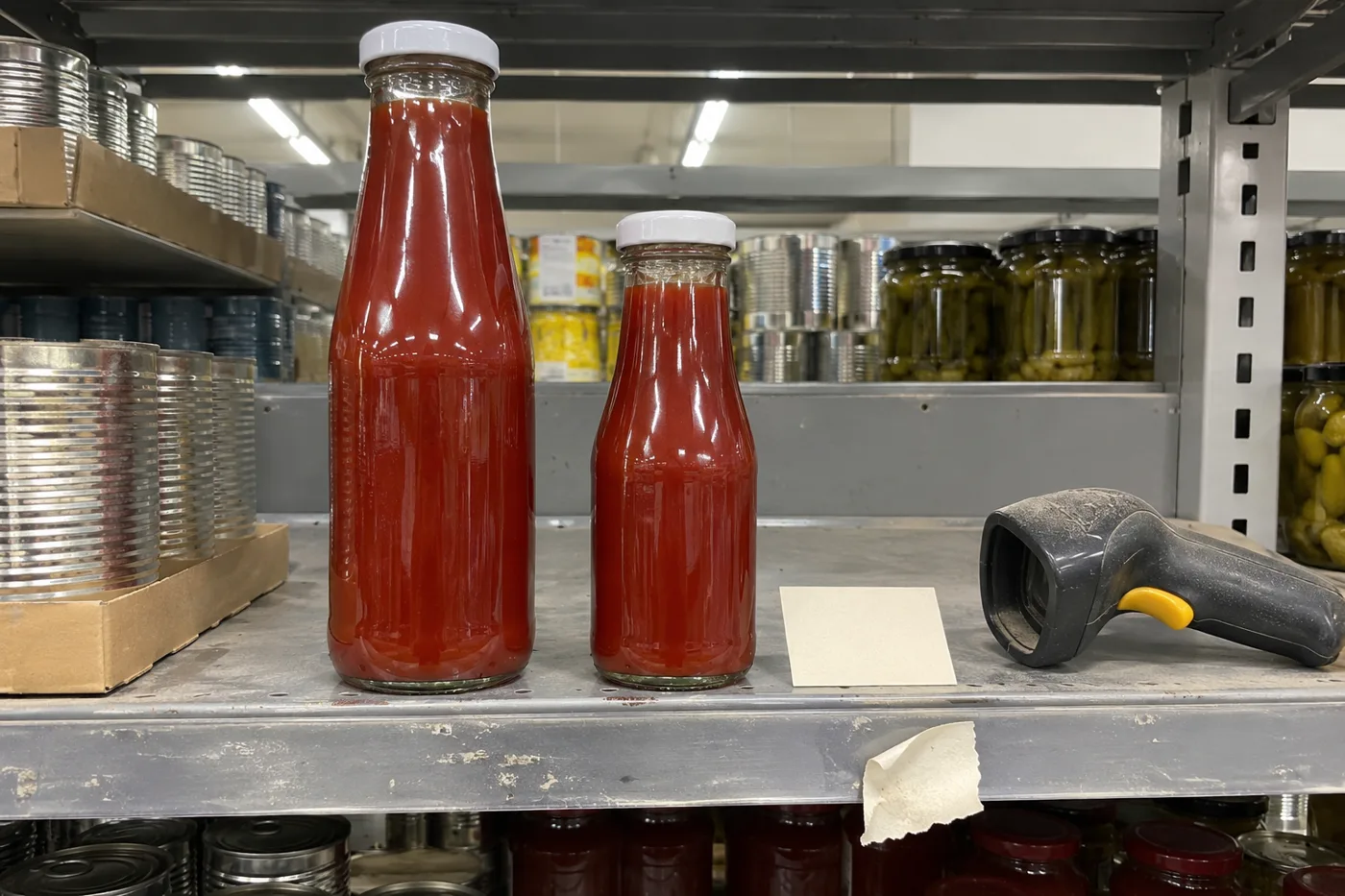
Look past the big price on the shelf tag to the small print beside it. That's the unit price: what you pay per ounce, pound or count. Compare unit prices, then check that the package price fits your budget and that you'll use the amount you're buying.
Check that two tags use the same unit, since one may show price per ounce and the other price per pound. Then stop assuming bigger is cheaper. The federal standards agency NIST notes that "stores sometimes levy a surcharge on larger items."
Packages keep shrinking, too. NIST says roughly 30% of consumer goods were downsized between 2019 and 2023, like ice cream tubs that quietly lost a little. The unit price catches what your eye misses.
Where a tag skips the unit price, divide the price by the ounces on your phone's calculator. Iowa State Extension's free Spend Smart. Eat Smart. site has unit-price tools you can pull up right in the aisle.
26Falling for eye-level shelf placement
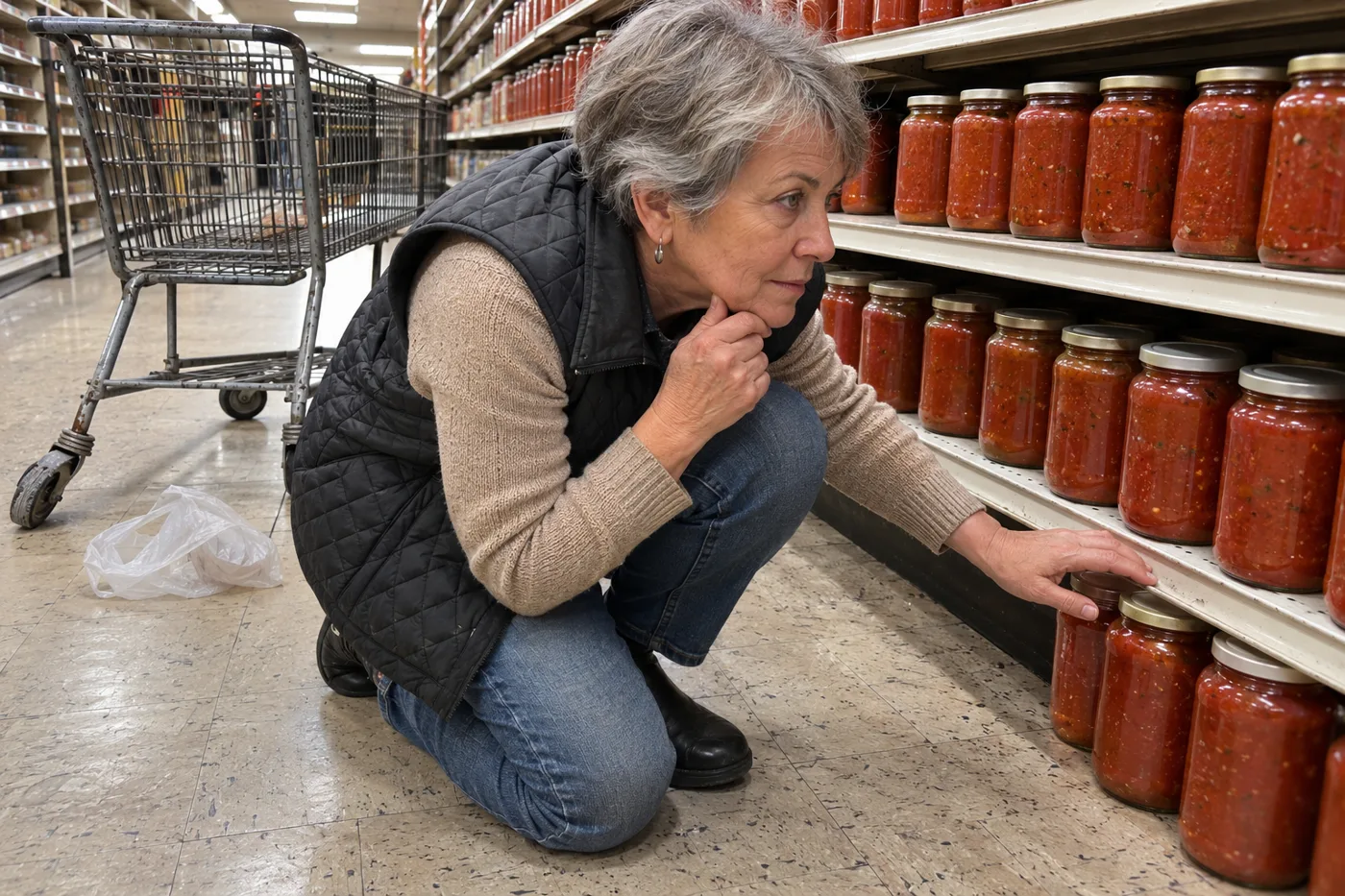
The crackers and pasta sauce you reach for without thinking sit exactly where your eyes land. "The second and third shelves from the top are prime real estate. They're eye level so you can't help but see what's on them," says Mara Weber, a registered dietitian at Ohio State Wexner Medical Center.
Make it a habit to look up, then down, before you grab. Check the top shelf, then bend for the bottom one and compare the tags. If bending is hard on your knees, a glance at the top shelf alone still widens your choices.
25Trusting end-cap displays as automatic sales
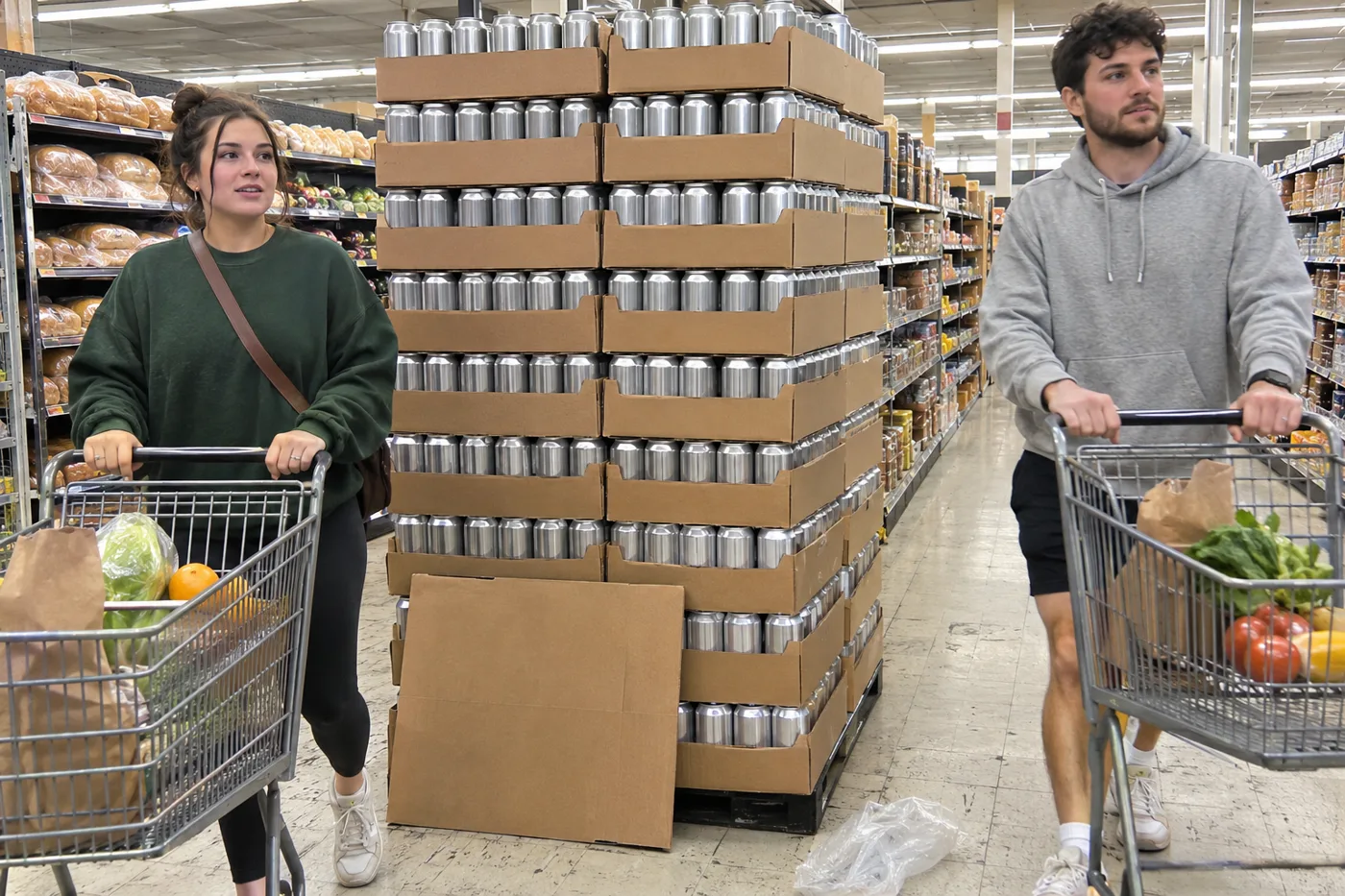
End caps are the big displays at the end of each aisle, stacked high and often wearing a bright sign. They look like a sale. Many are only a spotlight. "Just because they're on the endcap doesn't mean they're discounted," Weber says.
The only defense is knowing your prices. The Northeast Ohio budget and savings expert behind Couponing with Rachel puts it this way: "Start writing down the sales and the prices so that way you'll know when it's a really good price and when it's just an okay price."
Start small. Pick the ten things you buy most, like coffee, butter, chicken thighs and paper towels, and jot each regular price in your phone's notes app. Within a month, any SALE sign has to beat a number you already know.
24Buying in bulk items that spoil before use
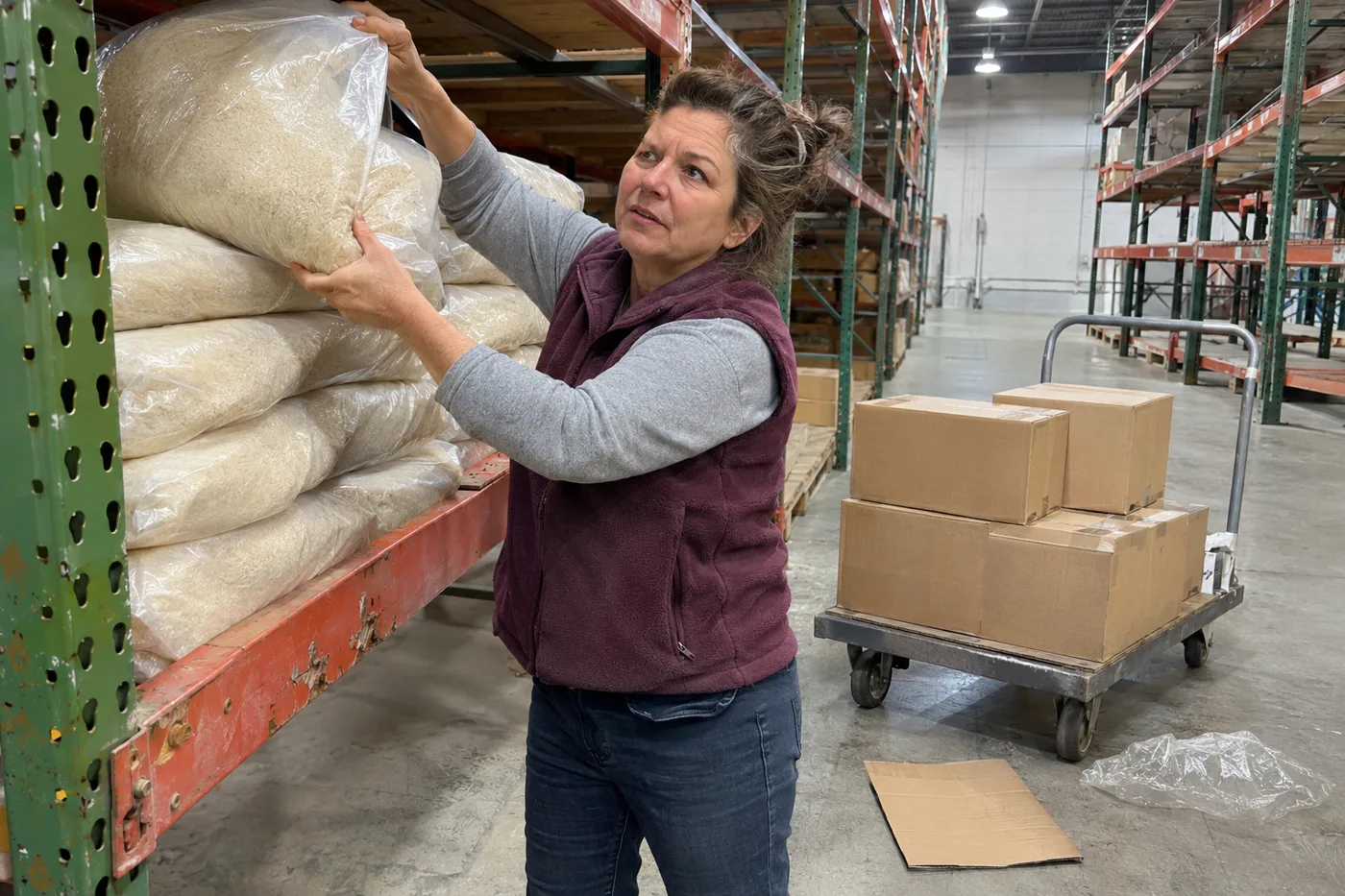
Before a jumbo size goes in the cart, ask one question: will every bit of it get used before it turns? The EPA says buying in large quantities, including buy-one-get-one deals, "only saves money if you use all the food before it spoils."
The waste adds up. An EPA report found individuals lose $728 a year to food waste.
Warehouse clubs aren't only for big families, though. Clark Howard, host of the long-running Clark Howard Show, says his team walked the aisles and found this: "A number of the items were sold in small enough units that you're fine buying them even as an individual or a couple."
His test for the rest is shelf life. "If the item has a two year or three year shelf life, odds are you can use up that quantity in two or three years."
If you live alone or with one other person, buy larger packages only when the unit price is lower, the upfront cost fits your budget, and you'll use the food before it spoils. Buy fresh food in the size you'll really eat, or plan to freeze part of it the day you get home.
23Ignoring store brand or generic alternatives
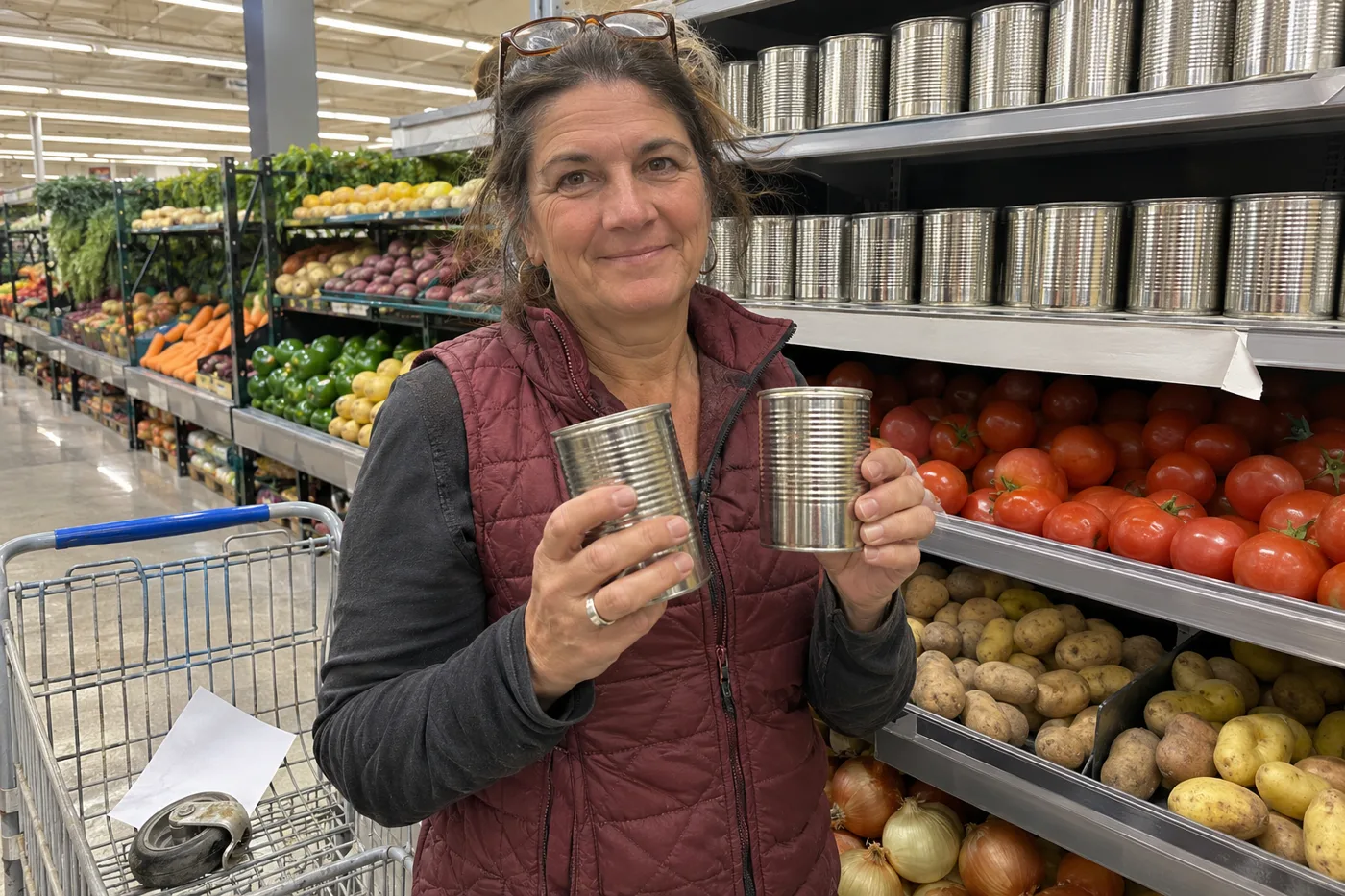
Swap one item this week: the store's own canned tomatoes or frozen peas, right next to the name brand you always buy. Consumer Reports says store brands sell at prices typically 25 to 30 percent lower than their name-brand counterparts.
There's one catch. A name brand on sale can come in cheaper, so Consumer Reports says to compare the price per ounce or pound. NIST notes that unit prices help shoppers see they're getting "the same amount of a virtually identical product… for less money."
Plenty of shoppers say the store versions taste the same for basics like canned beans, flour and frozen vegetables, with one or two exceptions they won't give up. Keep whatever brand you're attached to, maybe the coffee or the mayonnaise, and switch the rest.
22Sticking to one store without comparing prices

Matthew Diaz, introduced on NewsNation as a professional grocery shopper, says store-brand and name-brand versions of the same item can differ in price by several times. His advice: "Be prepared to go to multiple stores to look for what you're looking for."
The catch: driving across town for cheaper eggs and then back again for cheaper chicken can burn the savings in gas. For most people, one main store is more realistic.
So compare once instead of every week. Take your top ten items to a second store one time, perhaps a discount grocer or an international market. Many shoppers say those markets are cheaper for produce, beans and potatoes.
Compare the total cost of the quantities you normally buy. If that basket costs less at the second store and it sits on a road you already drive, consider making it your regular stop.
21Waiting until checkout to load digital coupons
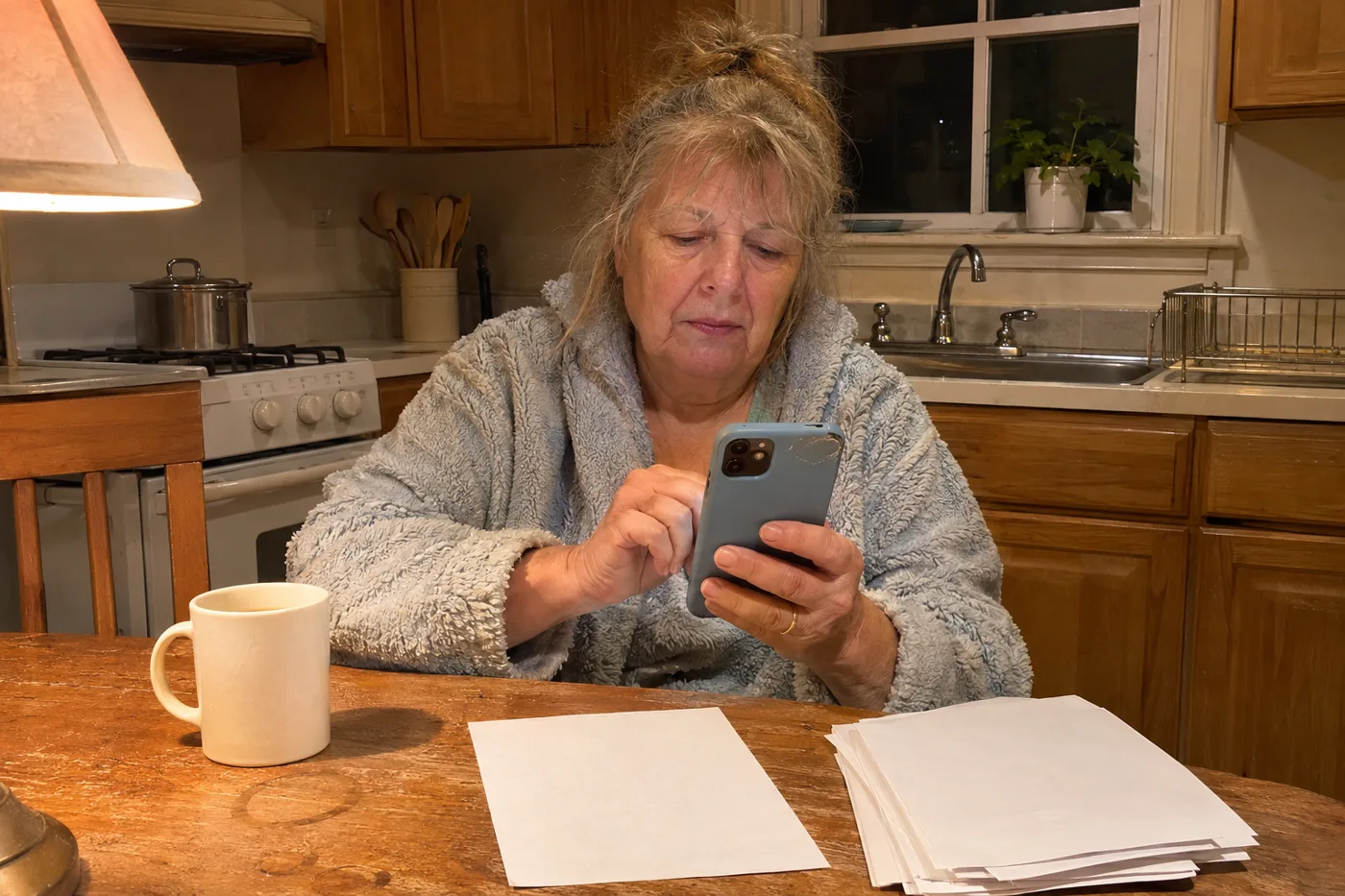
Clip first, shop second. The night before, open your store's app, search for what's on your list and load every coupon that matches.
At Kroger, digital coupons only work if you've pressed the Load to Card button and then scan your Shopper's Card or enter your Alt ID at the register. Most offers can be loaded one time per household. When a coupon worked, the savings show as ecpn under the item on your receipt.
Diaz does all of it ahead of time: "I like to get online and download all the digital coupons. I even get ones mailed to me." He stacks them where the store allows it.
Other chains set their own rules, so read the coupon help page in your store's app once. Then do your clipping at the kitchen table, not in line while the cashier waits.
20Misunderstanding BOGO and multi-buy deal terms
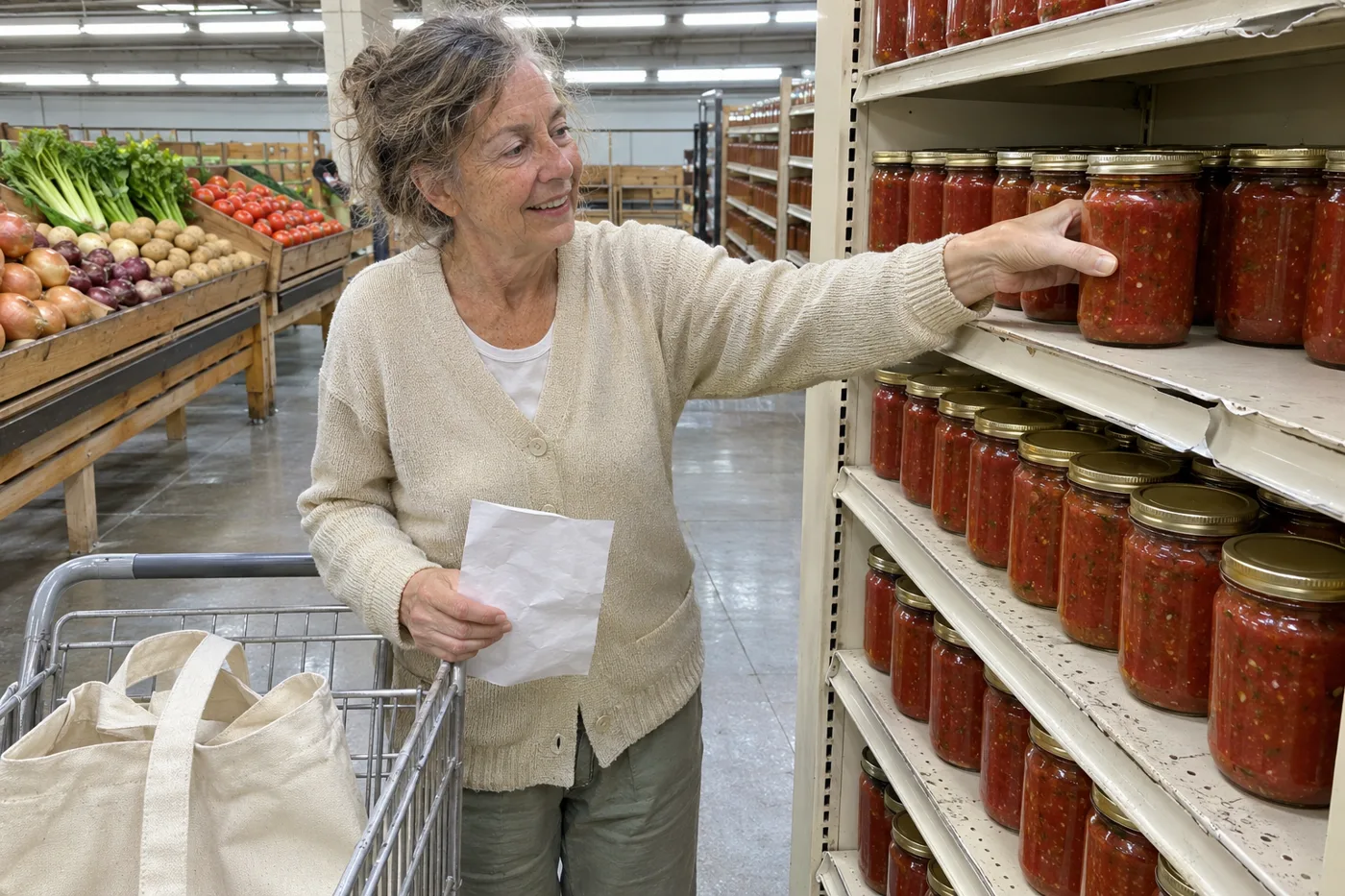
BOGO means buy one, get one free, but the fine print changes by store and even by state. Publix is the clearest example. A company spokesperson confirmed to a Florida news site that its BOGO rules in Florida differ from the rules in its stores elsewhere.
That difference matters if you live alone. Where you can buy a single item at half price, one jar of salsa beats two jars when the second goes fuzzy in the fridge.
19Shopping without a loyalty card or app activated
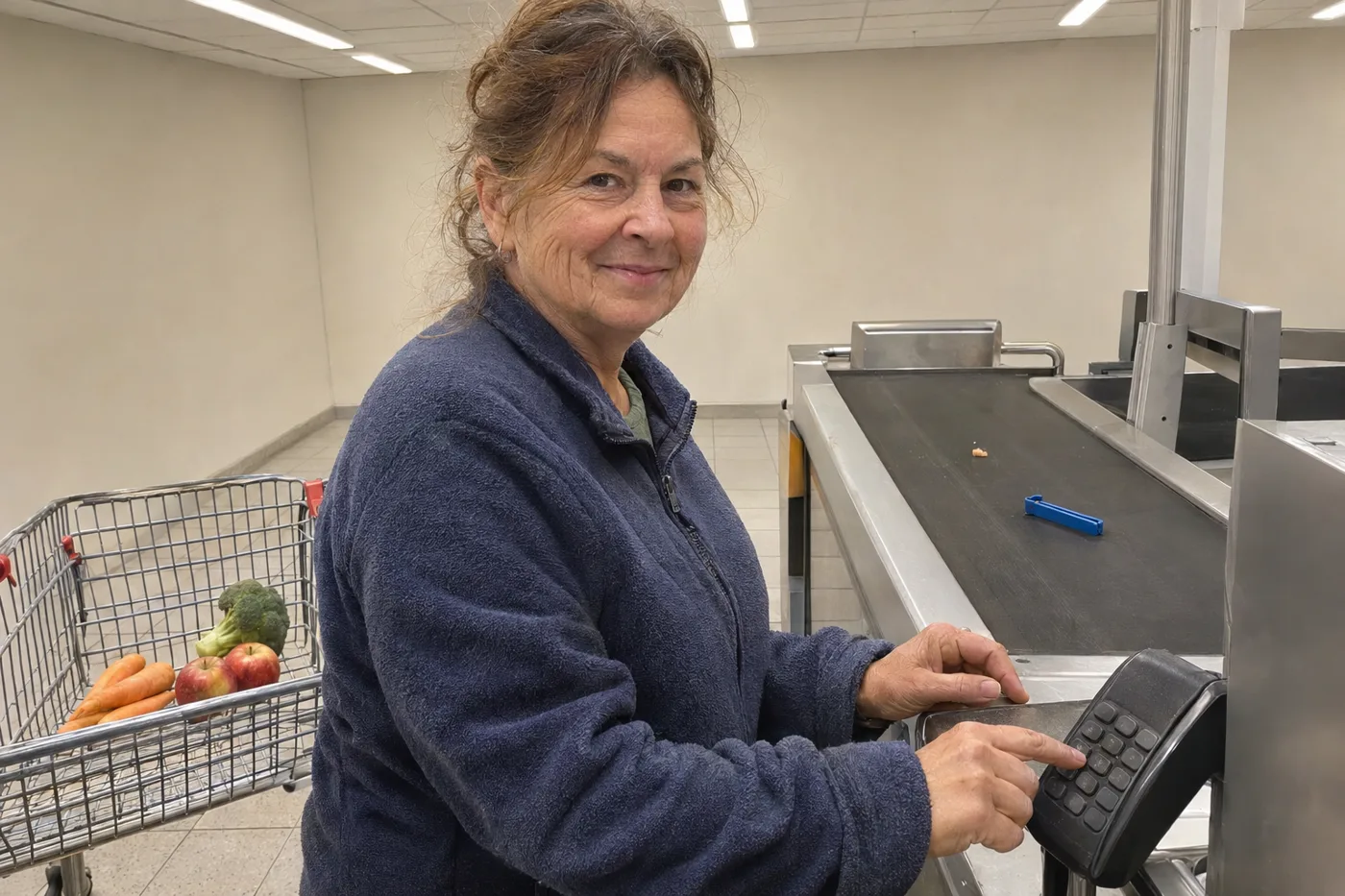
You left the store card in your other purse, so you shrug and pay full price. Don't. At Kroger, digital coupon discounts apply only when your Shopper's Card or Alt ID is scanned.
Cards pay off beyond coupons, too. Consumer Reports notes that big chains are expanding their loyalty rewards. Kroger members earn fuel points, and the paid Boost tier gives "2 fuel points per dollar spent."
Whether Boost pays for itself depends on how much you spend and whether you buy gas at Kroger's stations, so check the current fee on Kroger's site first. For the free card, write your Alt ID on a sticky note inside your wallet.
18Forgetting to load or claim app-based cash-back offers
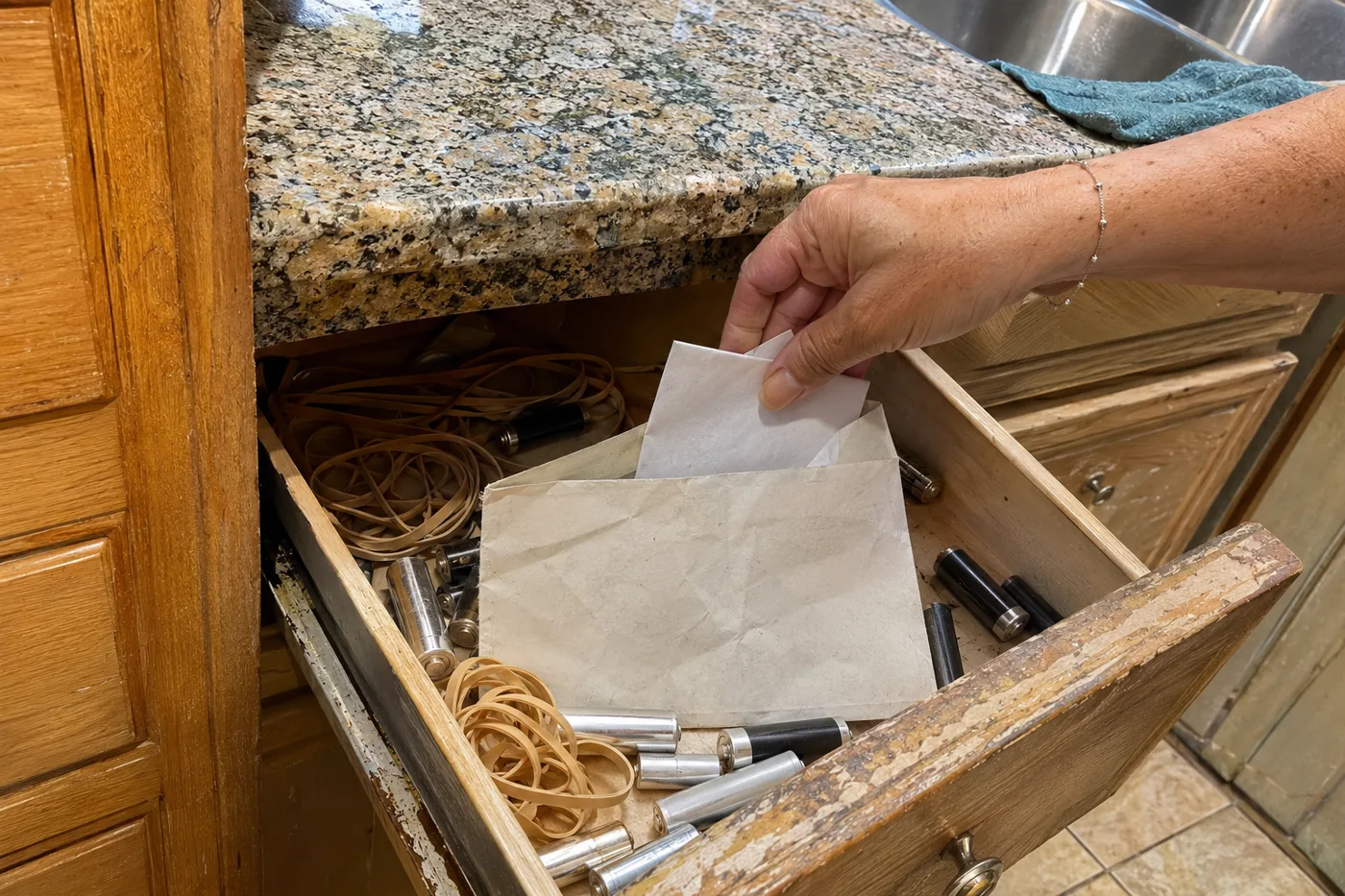
At Kroger, load cash-back offers before you shop, then remember to collect the balance afterward. Unlike a digital coupon, cash back doesn't cut the price at the register, so it's easy to forget it was ever there.
Kroger's Cash Back Offers must be loaded to your Shopper's Card before you buy. You can redeem the balance on your card, up to $99.99 a day, or move it to PayPal once you've earned at least $20. Each offer has its own expiration date.
At Kroger, a cash-back offer and a digital coupon may not be combined on the same item. When both show up for the same coffee, load the one worth more.
The FTC's advice covers any rebate: "keep an eye out for rebates," and "save all your receipts." An envelope in the kitchen drawer will do.
17Grabbing a cart when a basket would do
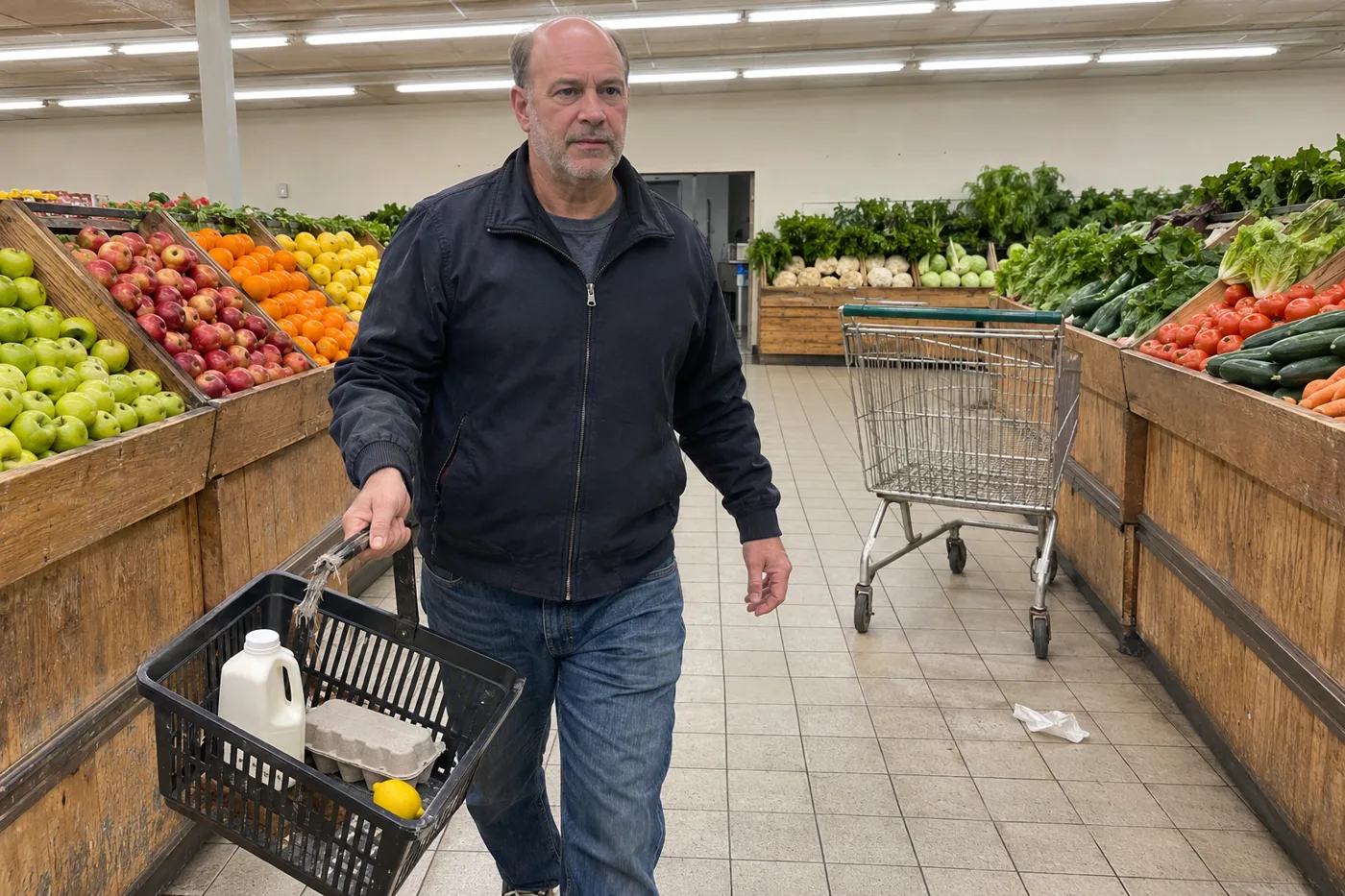
Running in for milk, eggs and a lemon? Leave the big cart in the corral. "Some studies have shown that the larger the cart, the more we buy," says Garden-Robinson.
A half-empty cart looks like it needs filling. A basket gets heavy, and that weight works as a brake.
For the full weekly shop, or if carrying weight bothers your back or shoulder, take the smallest cart the store has. Save the basket for quick trips of five items or fewer.
16Skipping the store's weekly flyer or app deals

Sunday morning, a cup of coffee, the store's weekly ad open on your tablet. Those ten minutes can shape the whole week. Iowa State Extension experts advise checking local stores' weekly ads online and building meals around what's on sale, such as ground beef.
Work backward from the front page. Ground beef on sale becomes Tuesday's chili and Thursday's tacos. Chicken thighs on sale become a sheet-pan dinner.
The same experts say to stock up on family favorites at a good price only if you have room to store them and will use them. If the freezer is already packed, buy enough for this week and skip the rest.
15Not shopping the perimeter before the center aisles
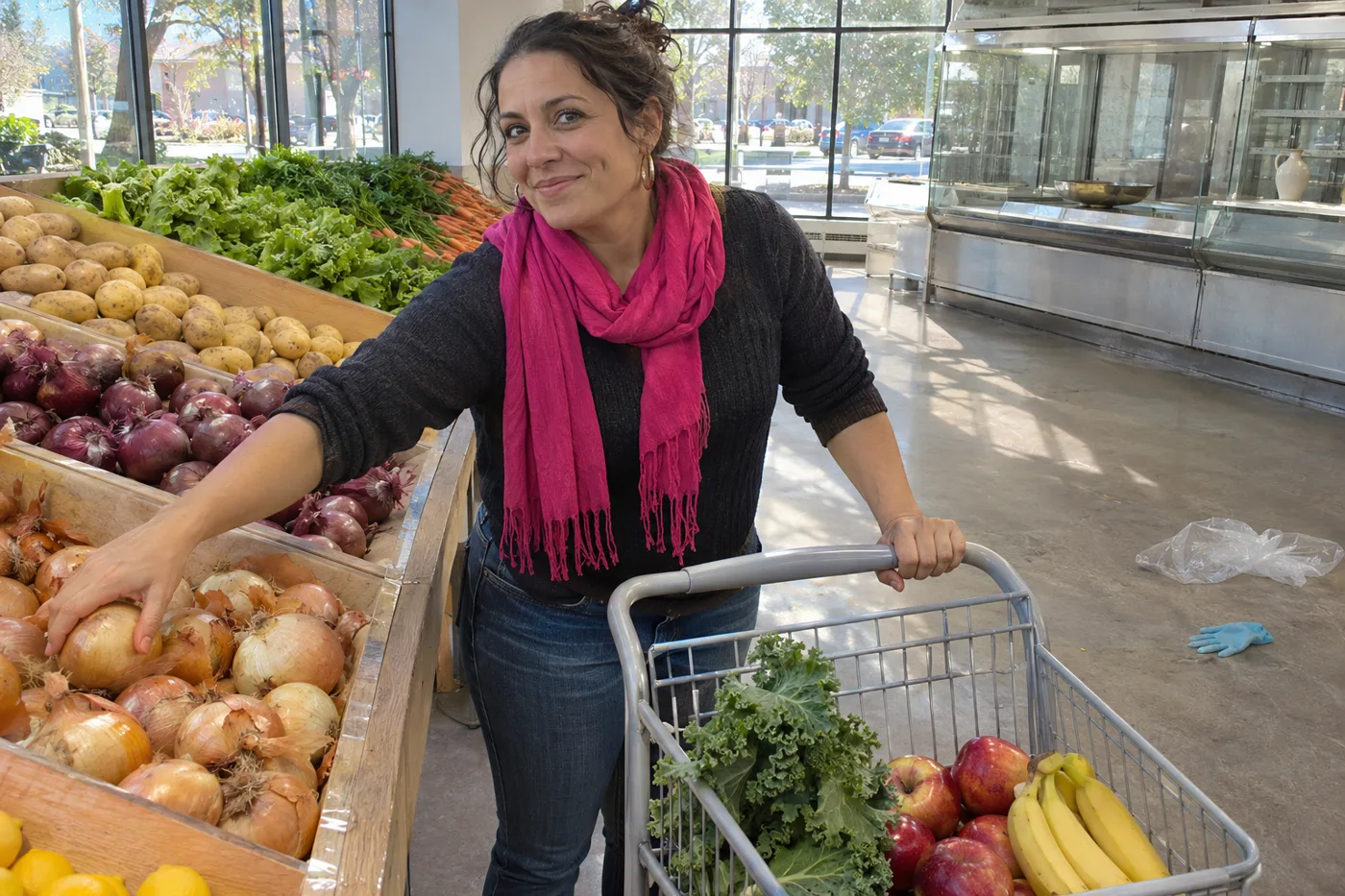
Start along the outer walls with produce, then turn into only the center aisles that hold something on your list. Finish at the dairy case and the meat counter, so the cold food goes in the cart last. Purdue agricultural economist Ellen Van Loo suggests shopping the perimeter for produce, dairy and fresh proteins.
The layout is deliberate. "Staple items like dairy, eggs and meat are strategically located in the back or center of the store to spur impulse buying," says Ohio State's Weber. Every run for a gallon of milk walks you past shelf after shelf of things you didn't come for.
NDSU Extension suggests writing your list by store section, such as produce, canned goods, meats and breads. Then you know which aisles to skip before you're standing at the end of them.
14Assuming fresh, frozen and canned always cost the same
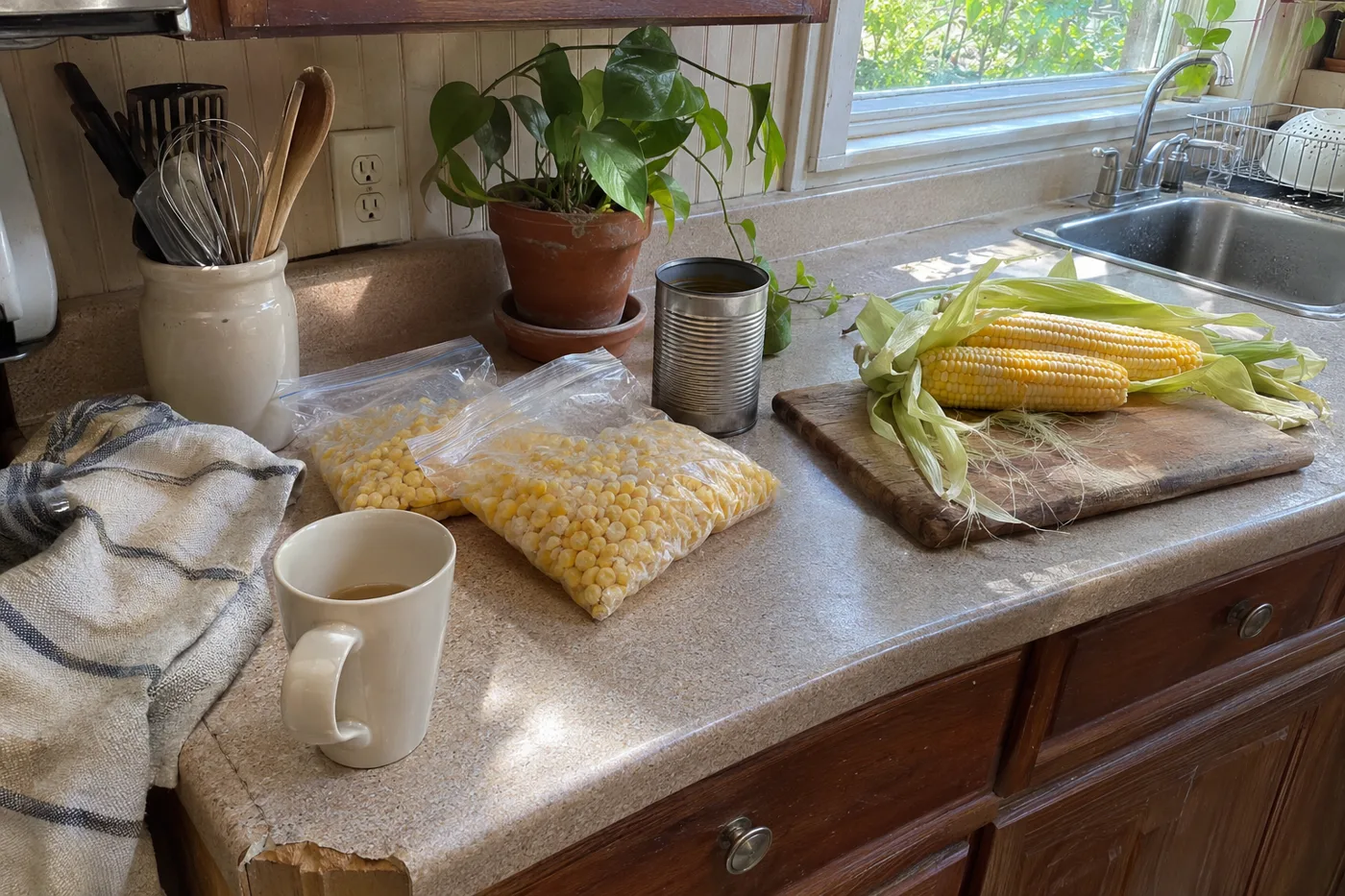
Which form is cheapest depends on the food. USDA price data put canned corn at $0.68 per cup equivalent, less than half the $1.42 for fresh. Frozen raspberries also cost less than fresh ones.
Carrots flip the pattern. An earlier USDA comparison found carrots cheaper fresh than frozen or canned, while spinach cost more fresh than in either other form.
Your own kitchen counts, too. Frozen pre-cut vegetables can be worth the extra cost if fresh ones tend to go bad before you get to them. And for a big holiday meal, Diaz points out, making a dish from scratch with pantry staples can beat buying several cans.
For the five vegetables you buy most, compare what fresh, frozen and canned would cost for the amount you'll actually eat, counting anything likely to go to waste.
13Buying dented cans without checking if they're safe
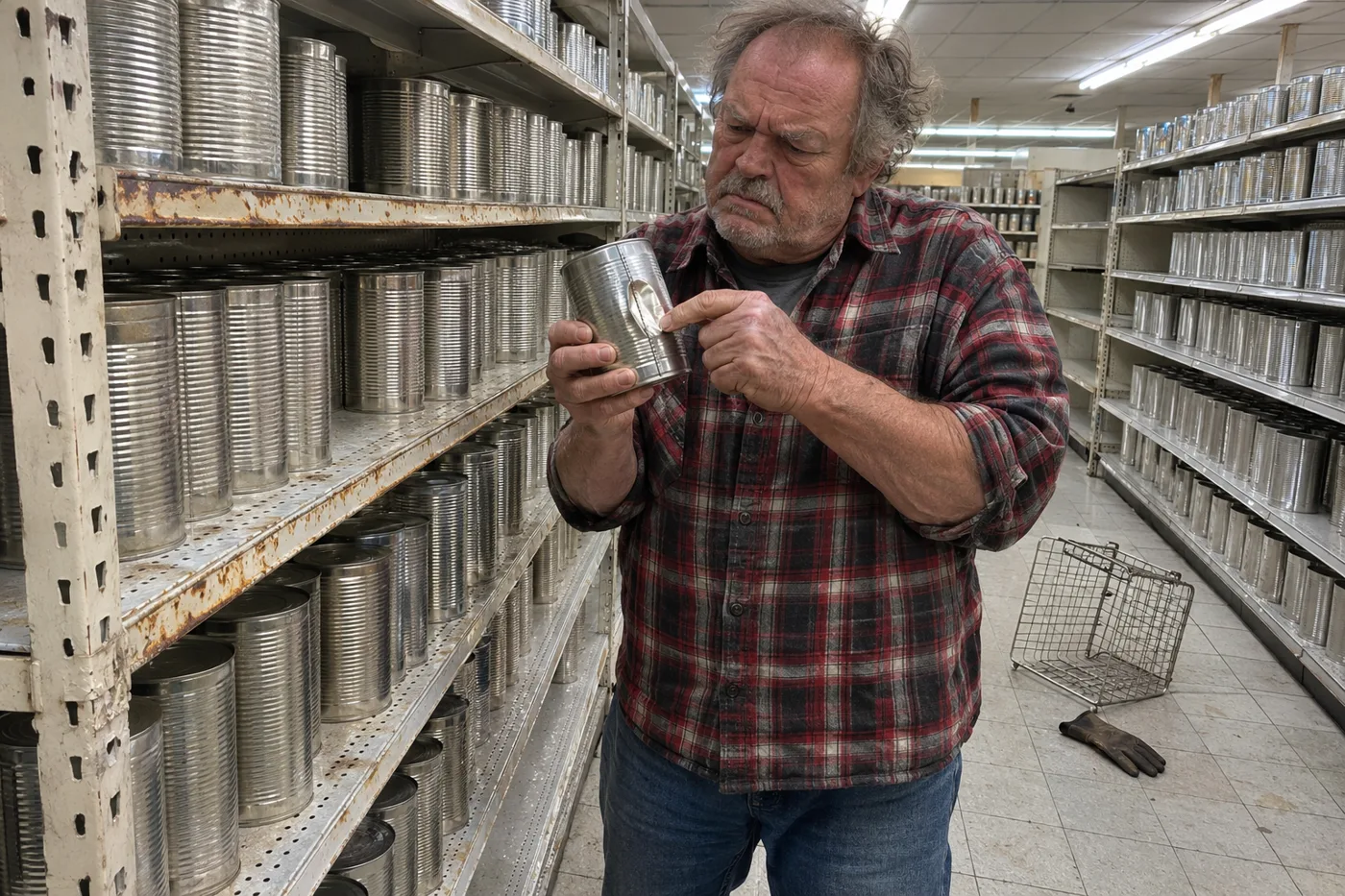
Run the finger test before a dented can goes in the cart. Nebraska Extension says that if a can has a small dent but is otherwise in good shape, the food should be safe to eat. A deep dent is "one that you can lay your finger into." Discard those.
Look hardest at the seams along the top and the side. Deep dents there can let bacteria in. Heavy rust is another reason to put a can back.
If a can fails the test or isn't otherwise in good shape, leave it on the shelf and mention it to a stocker so it gets pulled.
12Misreading meat sell-by and use-by dates
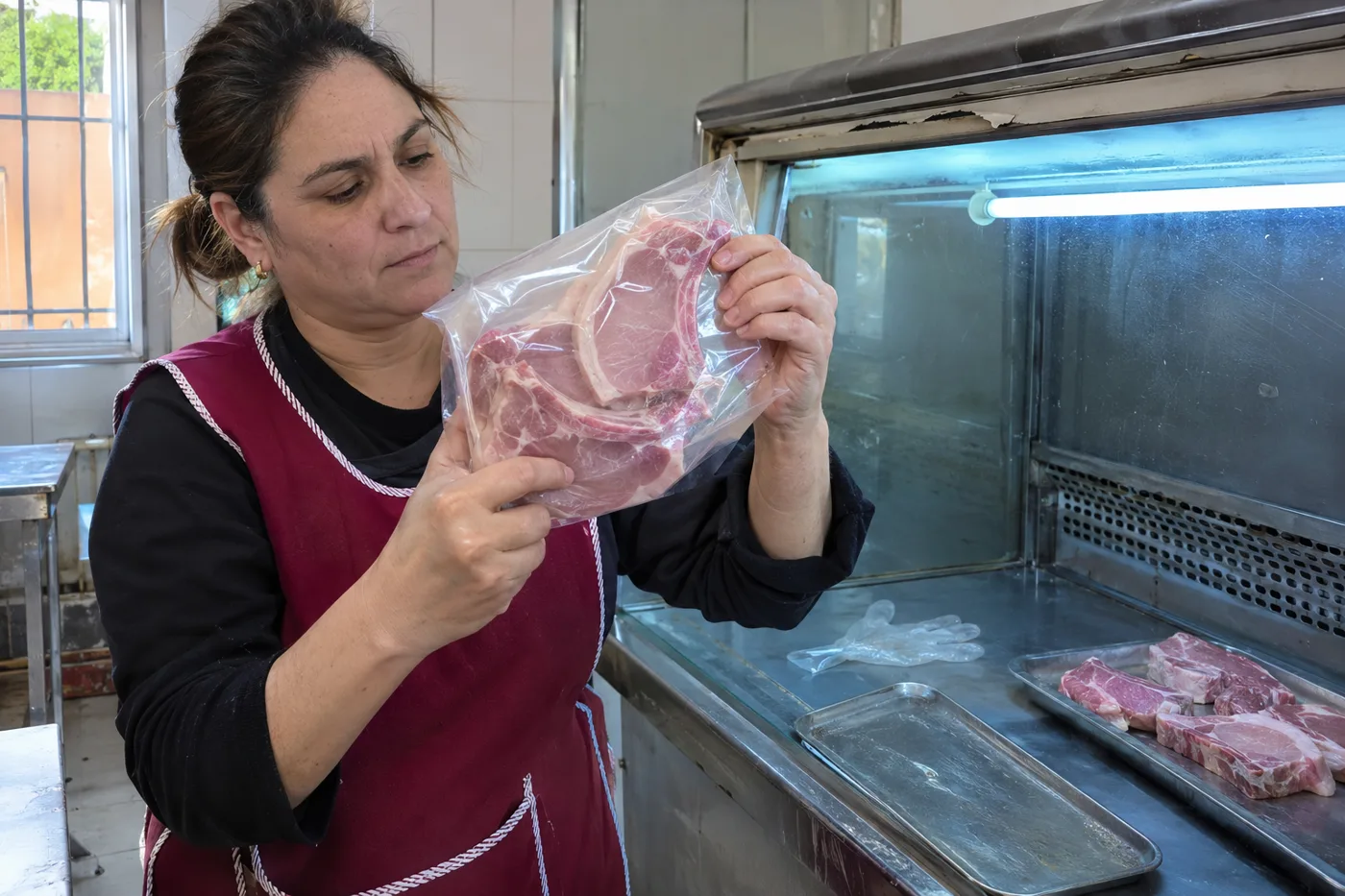
The date stamped on a pack of pork chops tells you less than you'd think. Nebraska Extension says "product dates are not a guide for safe use of a product." The only food with a federally required date is infant formula.
The date does tell you when to buy. The extension's advice is to buy meat before its sell-by date and keep it in its original packaging. If you'll freeze it for more than two months, wrap another layer of foil or freezer wrap over the store tray.
A sell-by date isn't a safety guarantee, and freezing keeps meat safe but won't rescue meat that's already gone bad. Buy before the sell-by date, and write the freezing date on the wrap with a marker.
11Confusing meat marketing claims with actual quality
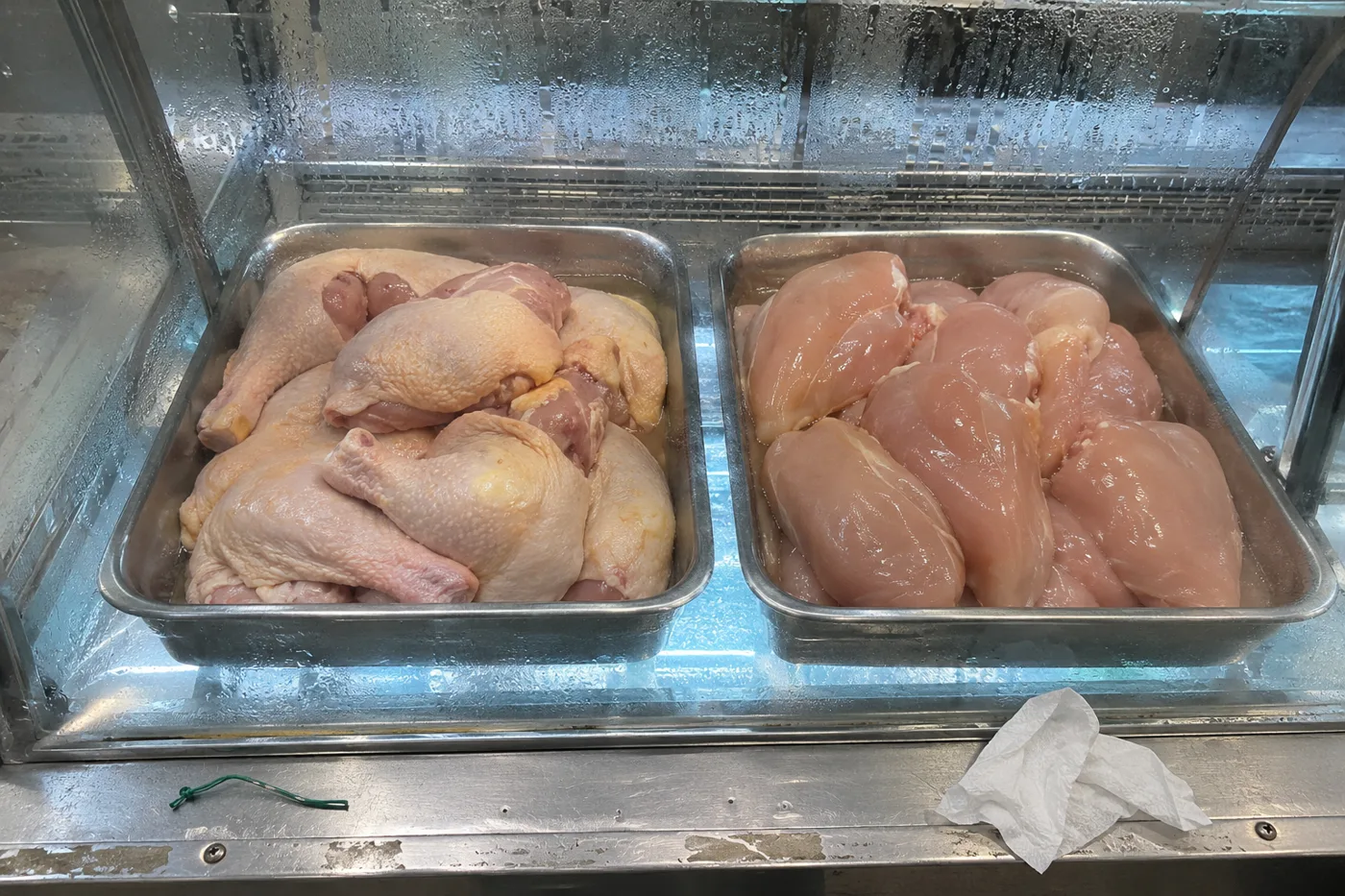
That no-hormones-added sticker on the chicken is true of every chicken in the case. Hormones aren't allowed in raising poultry or pork at all, so the claim may appear only alongside the line "Federal regulations prohibit the use of hormones." Paying extra for it buys you nothing.
The natural label is thinner than it sounds. Under USDA's definition, natural meat has "no artificial ingredients or added color and is only minimally processed." It says nothing about how the animal was raised.
Purdue's Van Loo warns that words like "natural" and "healthy" can let brands charge more for products that are nutritionally similar. Set two packs side by side and compare the price per pound instead of the front label.
10Passing up a rain check on a sold-out sale item
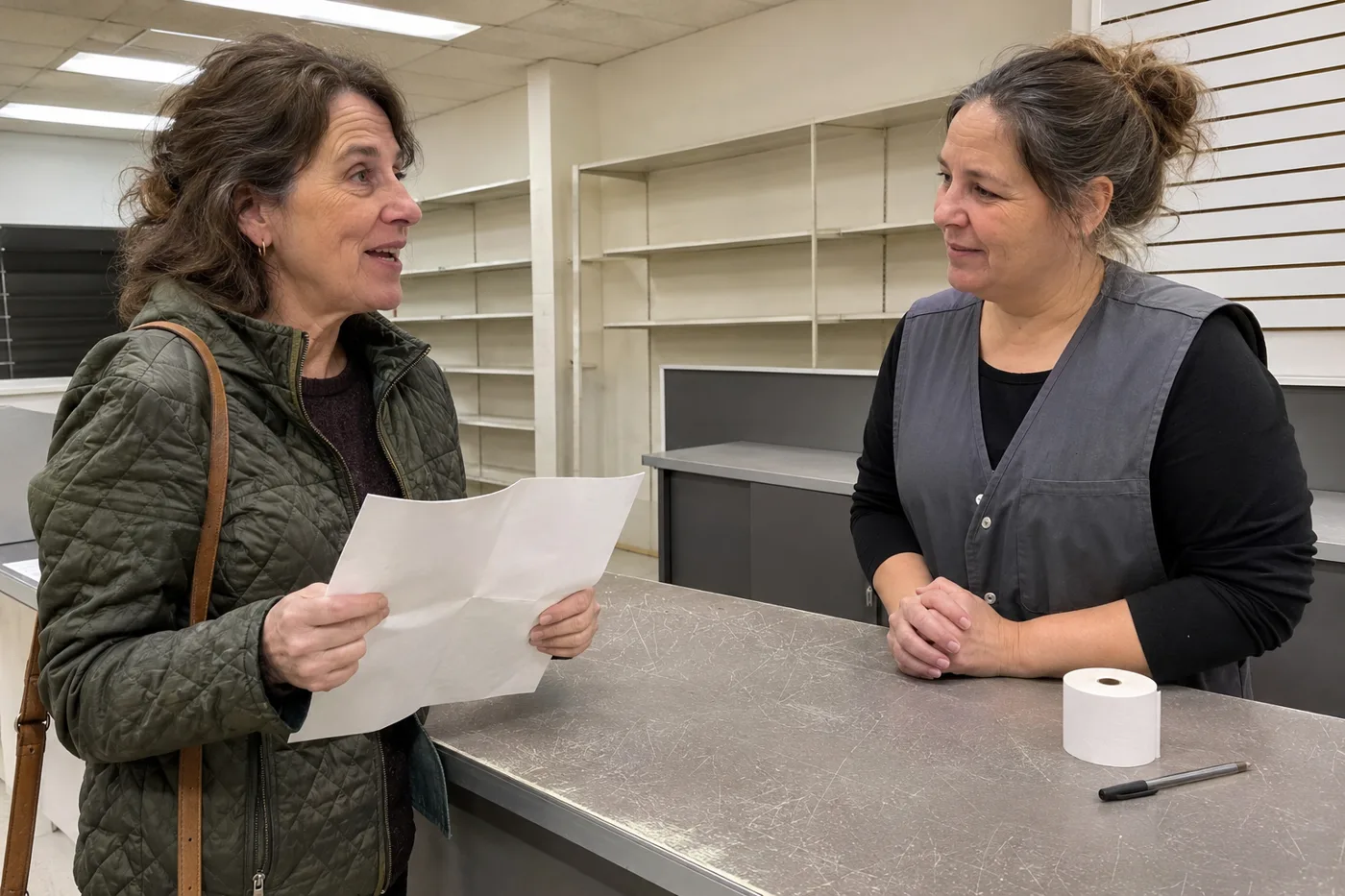
The sale shrimp from the front of the flyer is gone. Before you settle for the full-price bag, walk to the service desk and say:
"The shrimp in this week's ad is sold out. Do you offer a rain check?"
A rain check is a slip that lets you buy the item at the sale price later. Under the FTC's Retail Food Store Advertising Rule, food stores may not advertise a price unless the item is "in stock and readily available." Issuing rain checks is one way a store can comply.
Stores have other ways to meet the rule, so a rain check isn't guaranteed. When you do get one, tuck it into your wallet behind the store card.
9Letting kids' eye-level cereal placement drive purchases
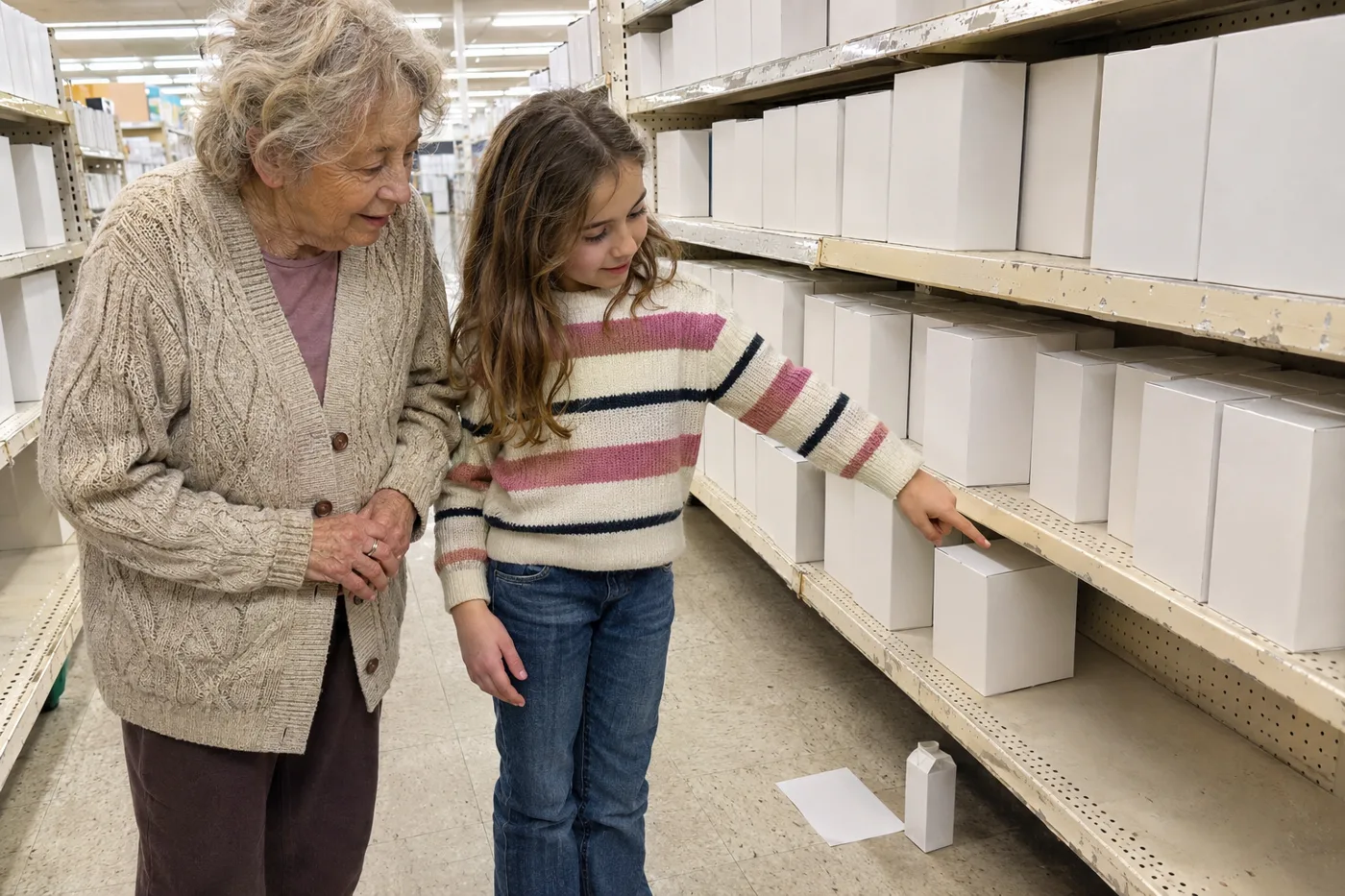
Grandkids along for the Saturday shop? Watch the cereal aisle. Garden-Robinson says cartoon characters on some boxes are placed at about 2 feet from the floor, right at a child's eye level. Their eyes may look downward to create what she calls "pester power."
Settle the cereal question before you leave the house. Let your granddaughter choose between two boxes you've already picked, and push the cart down the middle of the aisle, away from the low shelves.
8Not freezing sale-priced meat or produce for later
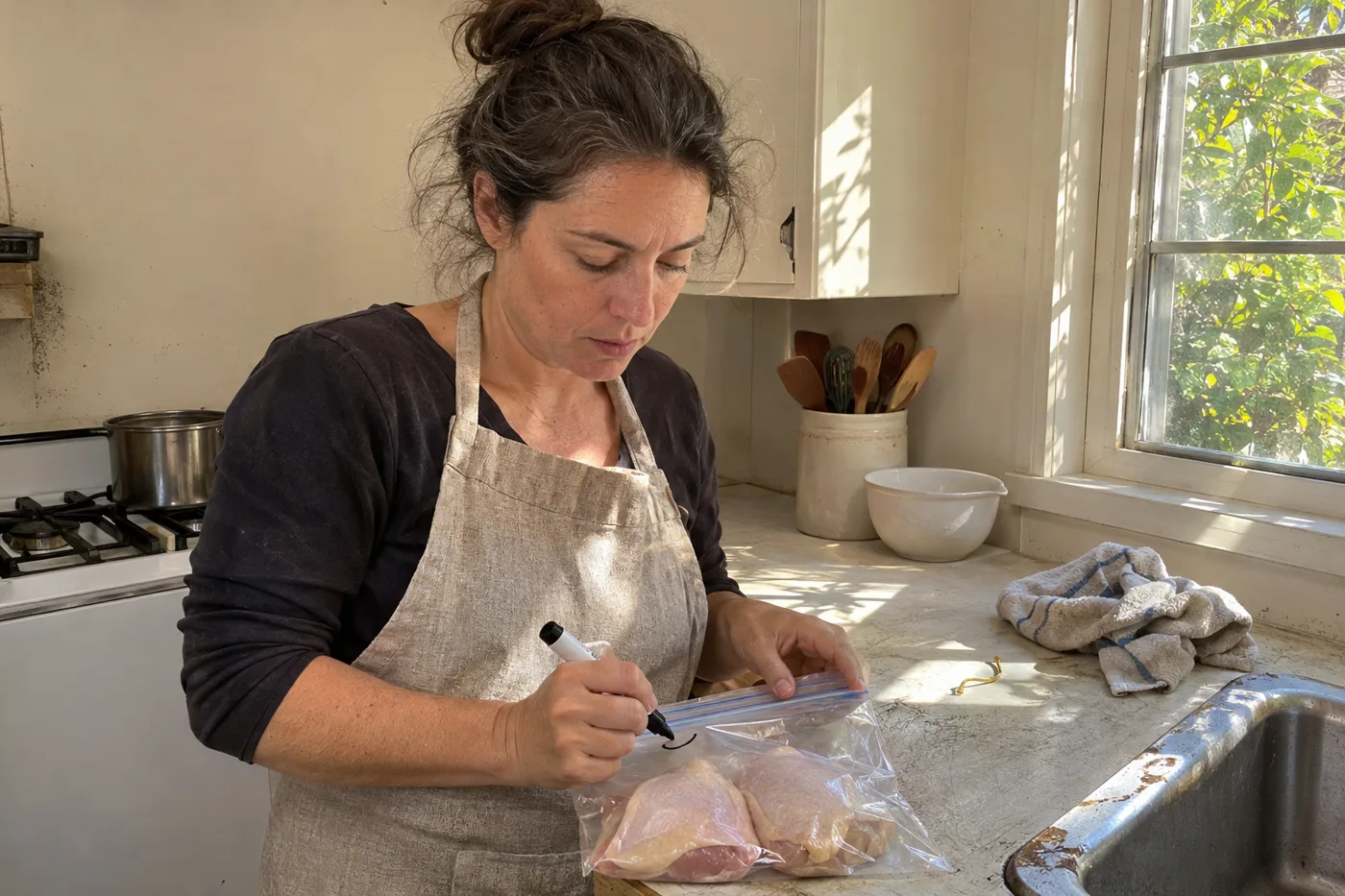
Freezing is one of the least glamorous ways to save money on groceries. When chicken thighs drop to a good price, buy enough for three dinners and freeze two of them that afternoon. The EPA advises freezing bread, sliced fruit, meat or leftovers that you know won't be eaten in time.
Nebraska Extension's recommended freezer times, below, are about quality, not safety.
If you live alone, portion before you freeze: two chicken thighs per bag, half a loaf of bread, ground beef pressed flat so it thaws fast. Write the date on each bag.
7Making too many small trips instead of one planned trip
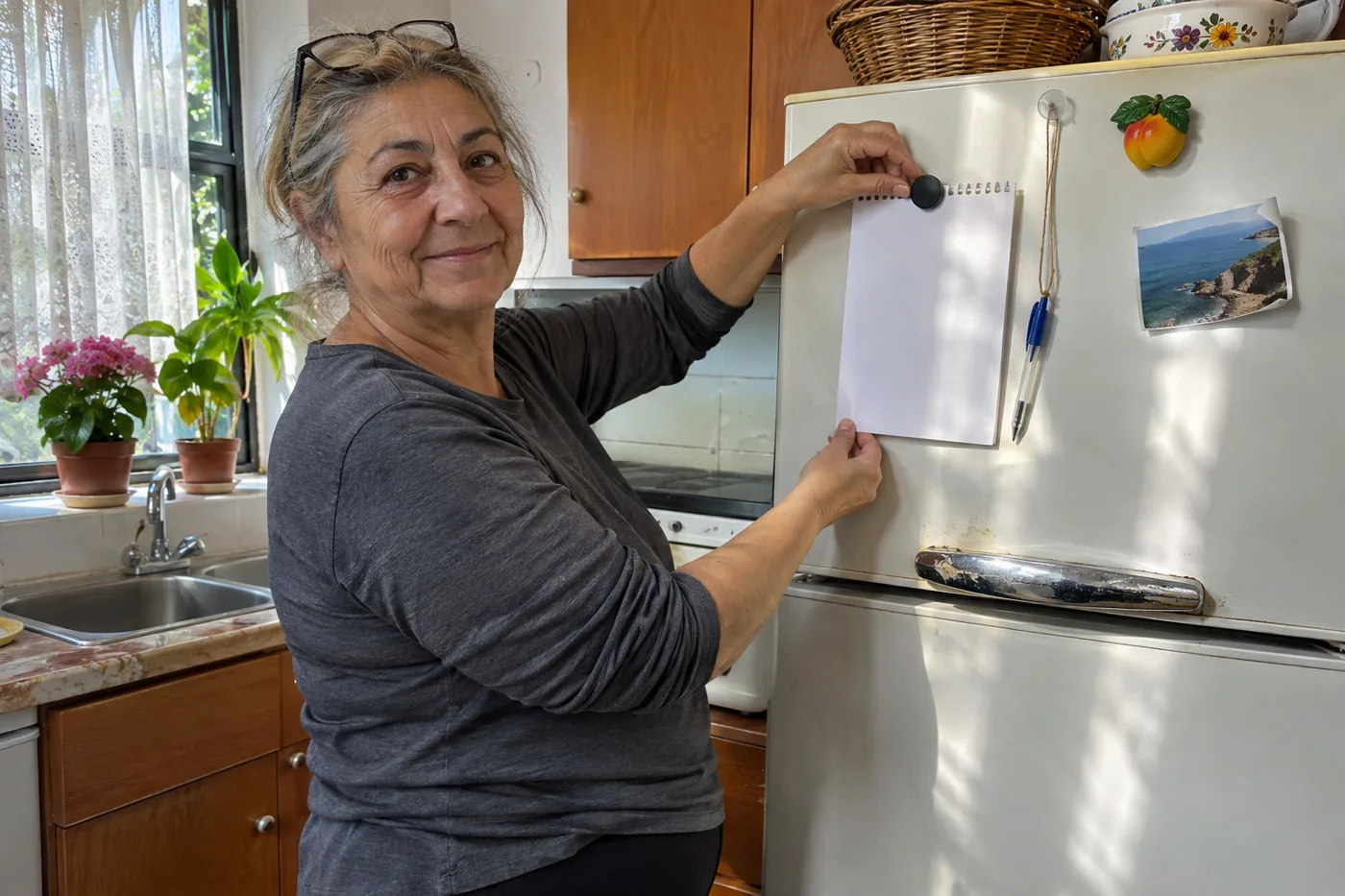
Every quick stop for milk is another walk past the bakery case and the end caps. Utah State University Extension puts it bluntly: "The more trips you make to the store, the more opportunities to make impulse purchases."
Add the gas and the time, and those small trips cost more than the milk. Plenty of shoppers say the same about hopping between stores: the driving eats the savings.
Keep a running list on the fridge and add to it the moment something runs low. Plan one main trip a week. If you run out of milk midweek, go straight to the dairy case and then to checkout, with a basket if you need one.
6Shopping at the wrong time to catch markdowns
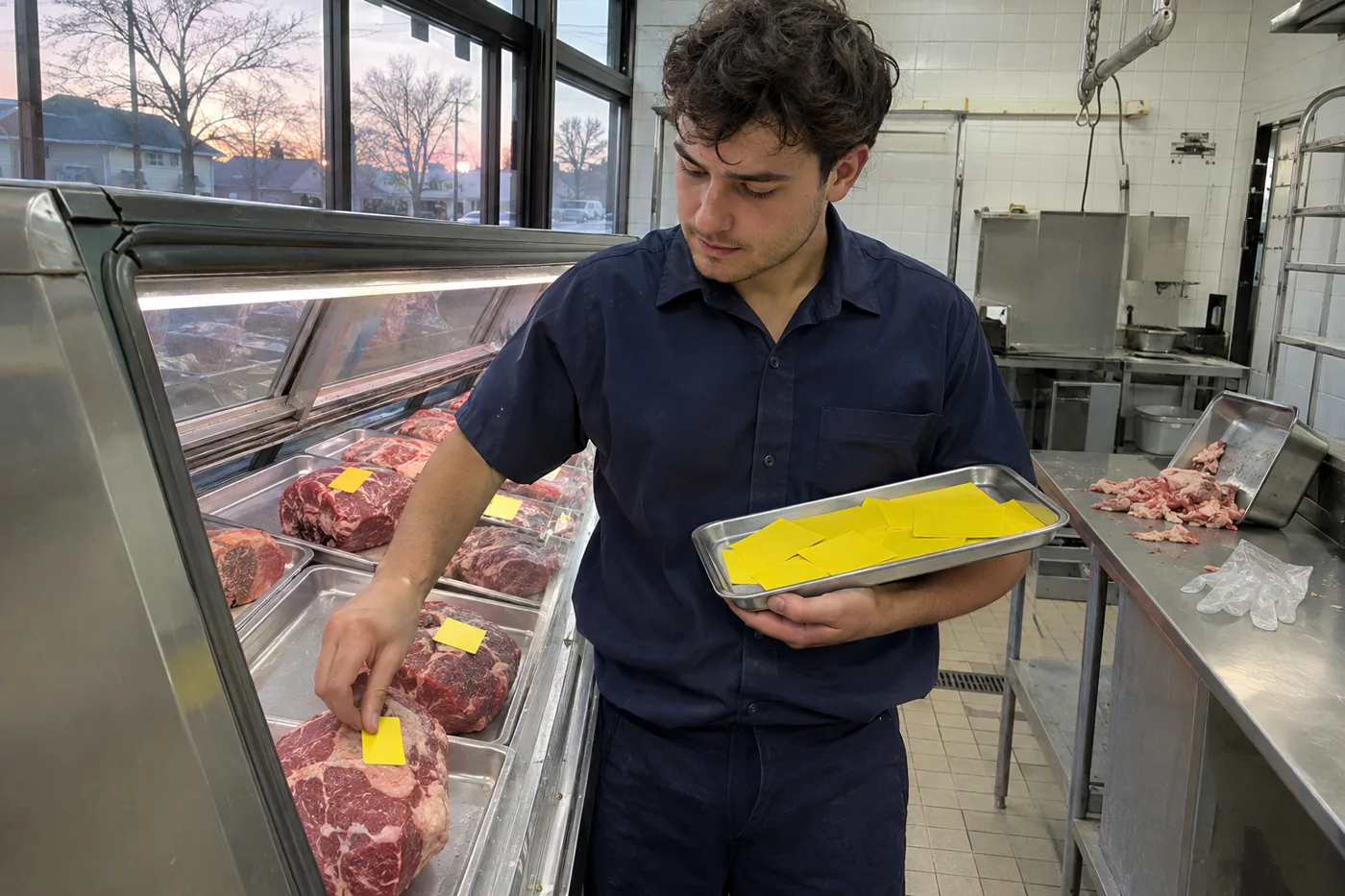
Many bargain hunters say the best markdowns on meat, deli, bakery and prepared foods show up early in the morning, when stores cut prices on items close to their date. The day and hour vary by store. Some shoppers swear by a weekday morning, some by 7 a.m., and some by the evening.
The quickest way to learn your store's schedule is to ask at the meat counter:
"What time do you usually mark down the meat?"
You can also ask when the delivery trucks come in. Regular markdown shoppers say discounted cooked chicken and meatloaf freeze well, so one lucky morning can stock several dinners.
5Tossing checkout-lane extras into the cart without planning
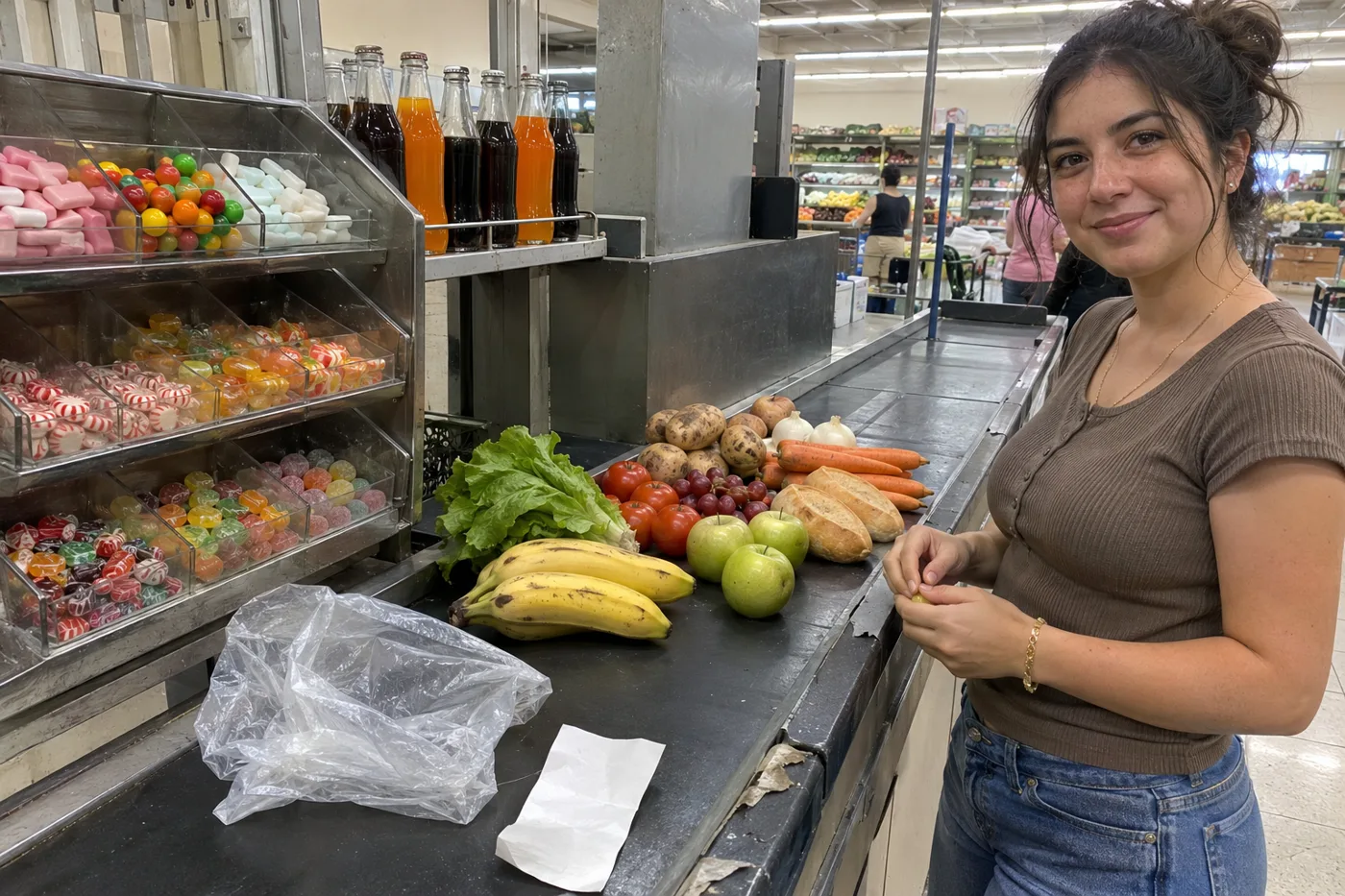
You stuck to the list for the whole trip. Then the line stalls beside the candy and cold sodas, and a candy bar slides onto the belt. The Center for Science in the Public Interest found that at checkout, "the vast majority of purchases are unplanned."
It isn't only snacks. Garden-Robinson lists everything from "candy, gum, chips and soda to nail clippers, pens and small toys" waiting at the register.
While you wait, check your cart against your list and decide whether you still want anything you added.
4Not checking the receipt against the shelf price
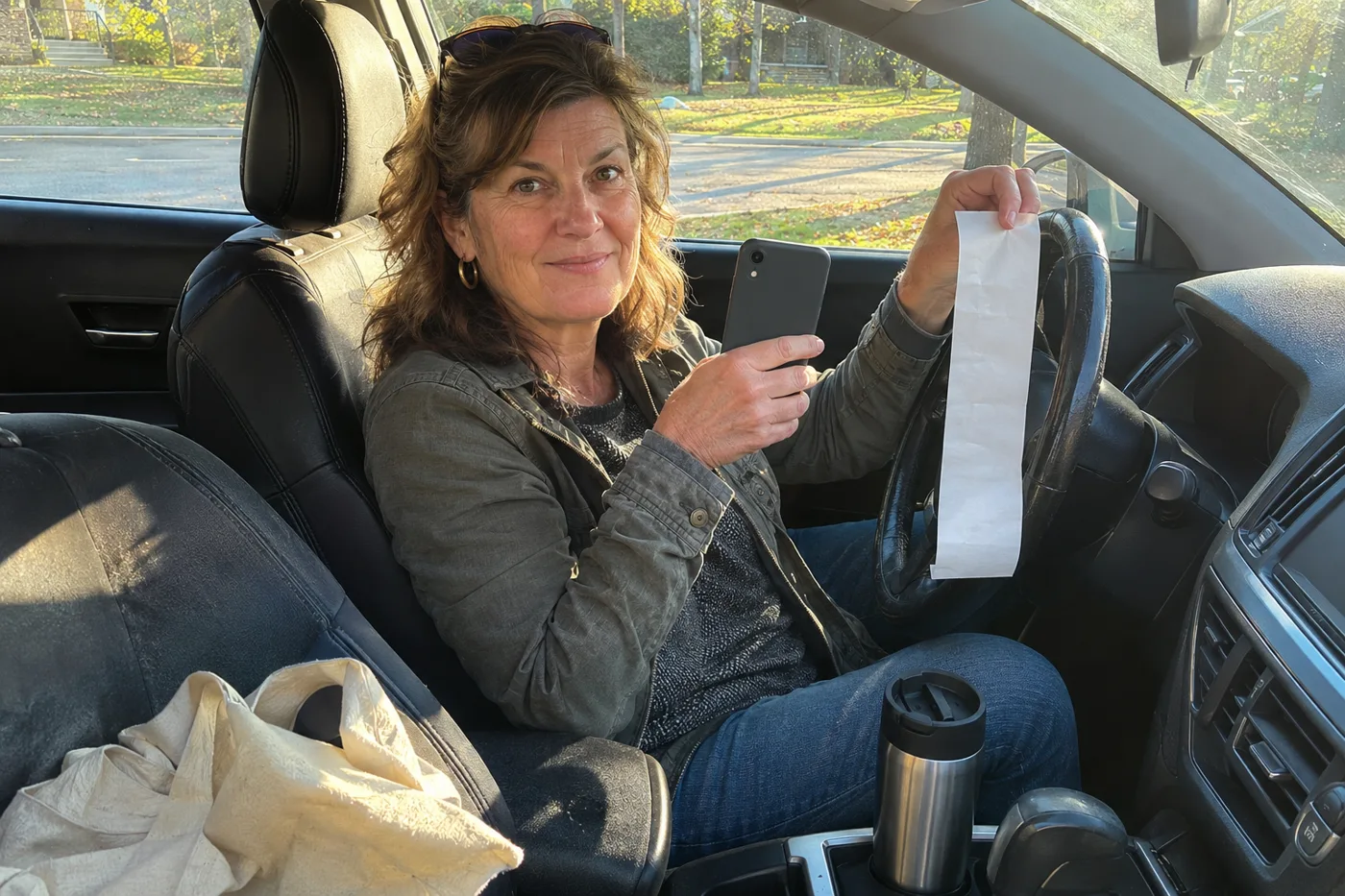
Snap a phone photo of the shelf tag for anything on sale. Watch the screen as items scan. Before you pull out of the parking lot, match the sale items on the receipt to your photos. Take any mismatch back to the service desk with the receipt.
Overcharges keep turning up. When Consumer Reports and its partners sent shoppers into Kroger-owned stores, they found more than 150 items with expired sale tags that led to overcharges, averaging $1.70 an item. Kroger called the claims "patently false."
In October 2026, the FTC and state partners sued Dollar General for charging more at the register than shelf and tag prices. The FTC says to report pricing problems at ReportFraud.ftc.gov.
North Carolina's agriculture commissioner, Steve Troxler, says it's always good practice to "check your receipt as well as the price on the shelf." If you live in Massachusetts or Michigan, state rules can even pay you a bonus when an item scans high.
3Not comparing delivery and pickup fees or tipping
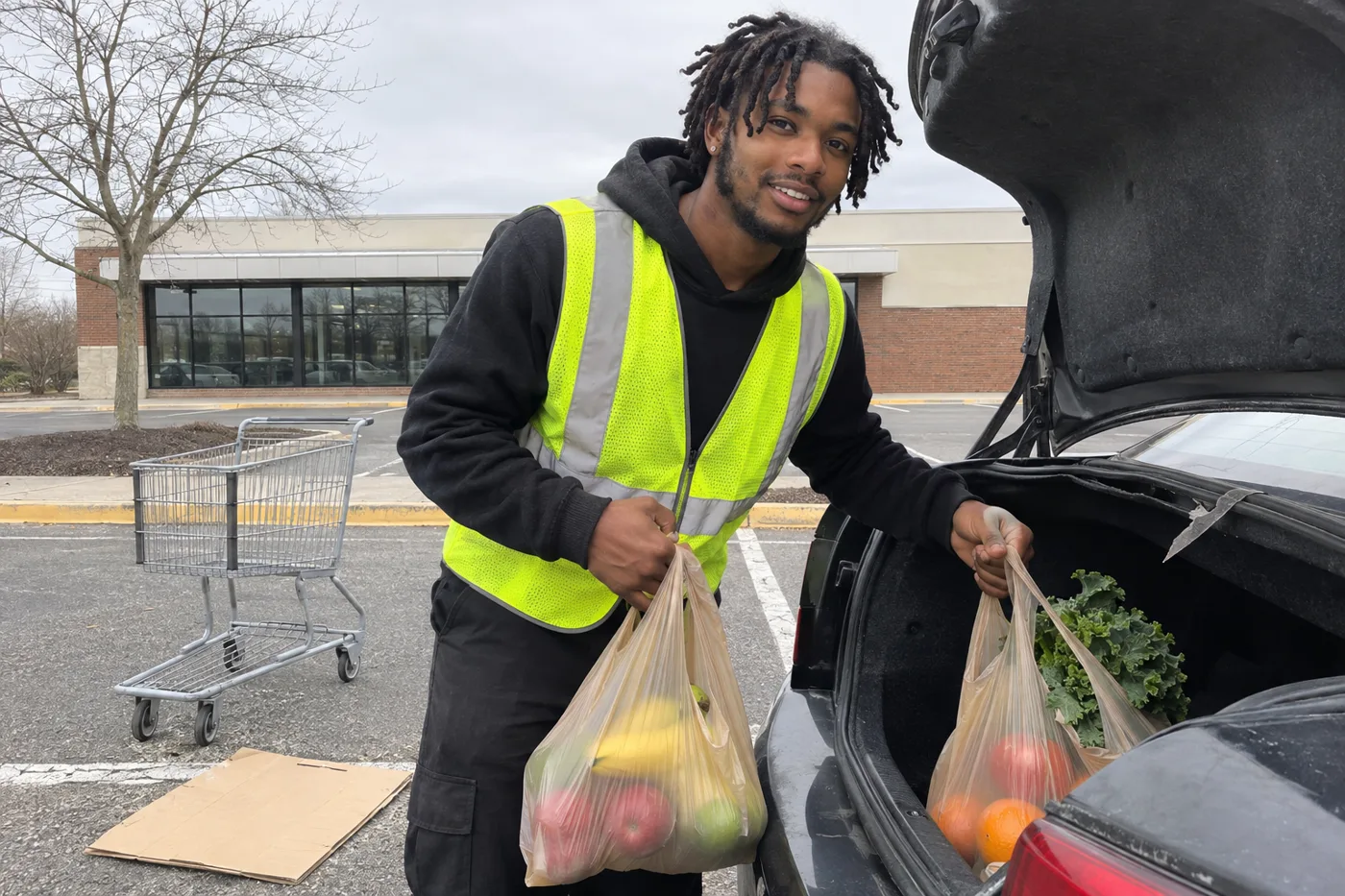
Compare the final totals for pickup and delivery, including fees, any tip and your cost of getting to the store. On Instacart, pickup orders don't have service fees, though some retailers charge their own pickup fee.
Delivery carries a service fee, which isn't a tip and doesn't go to your shopper. The tip is separate, and all of it goes to the shopper.
Pickup has a quieter perk. The budget expert behind Couponing with Rachel says placing your order online and just going in to collect it helps you stay on budget, because you never walk past the impulse buys. You also see the total before you pay.
Set your replacement preference before you check out. If you skip it, Instacart defaults to "Replace with best match" and charges or refunds the difference in price. Choose "Refund" for anything where a swap could cost more.
Prices on apps deserve a glance as well. A Consumer Reports test found some shoppers were shown prices up to 23% higher than others for the same item at the same store. Instacart later stopped using that pricing technology. Now and then, compare a few app prices with the store's own website.
2Skipping senior discount days without asking
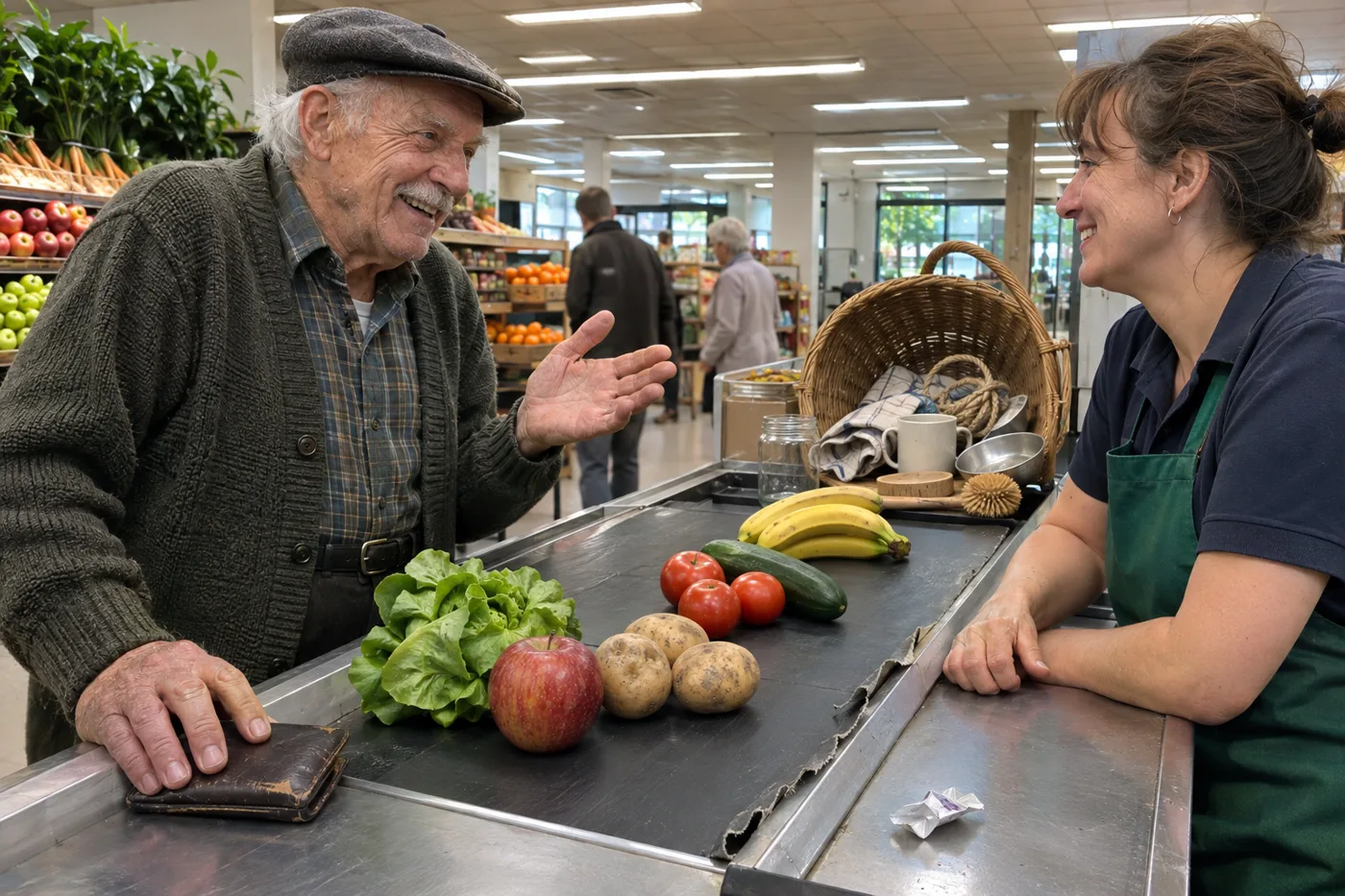
Some stores take money off for older shoppers on certain days, and it's easy to miss if you never ask.
Consumer Reports lists Fred Meyer giving 10 percent off its store brands on the first Tuesday for shoppers 55 and up. It lists Gristedes in New York City at 10 percent off every Tuesday for shoppers 65 and up.
Those details can change, so confirm them with your own store. Next time you check out, say:
"Do you have a senior discount day?"
If the answer is yes, write the day at the top of your fridge list. A store-brand stock-up on that day stacks the discount on top of the lower brand price.
1Shopping without a list or meal plan
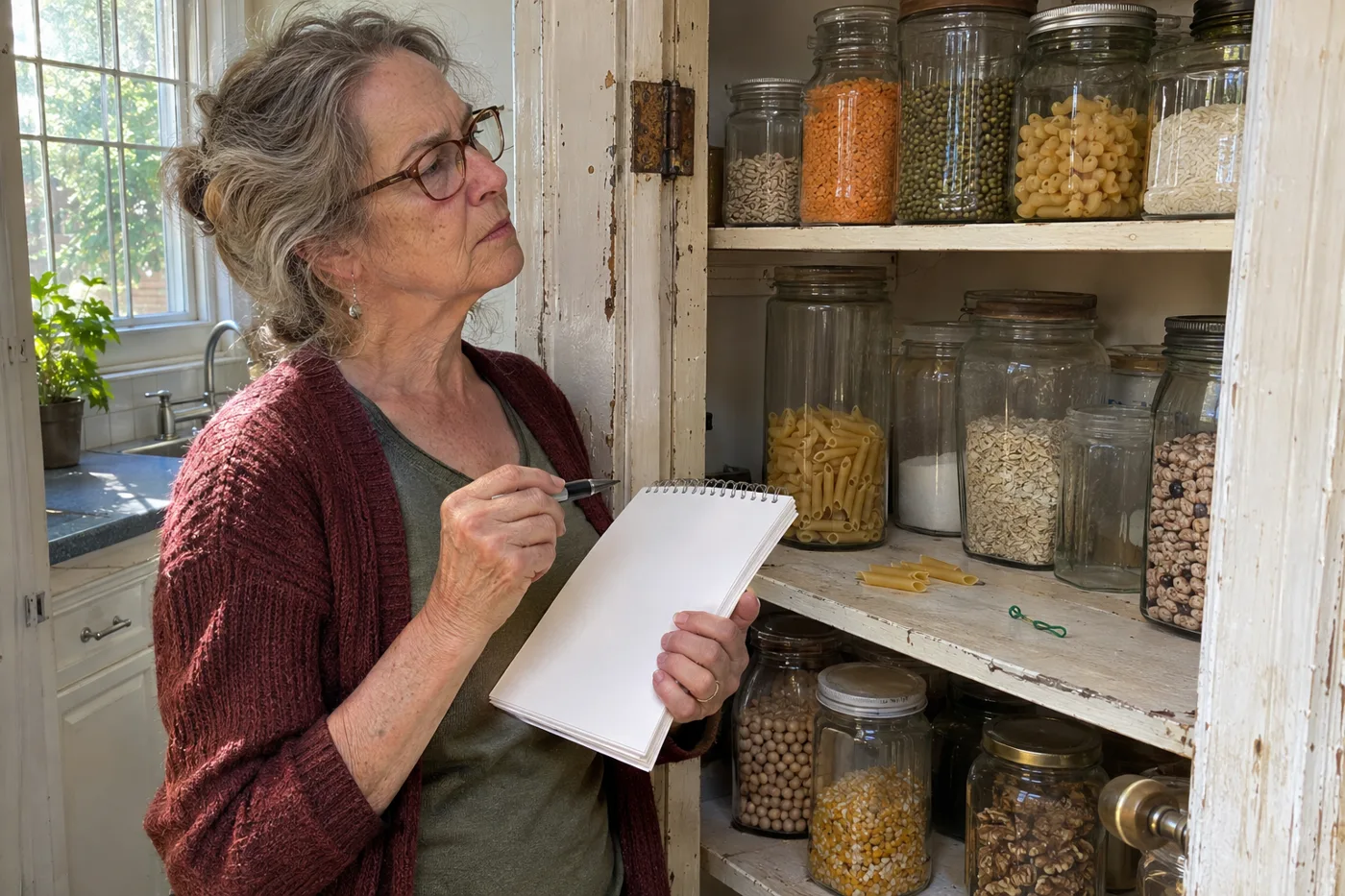
Start in your own kitchen, right before you leave. Open the fridge, the freezer and the pantry, and look at what's already there. It's the fix for the third jar of pasta sauce, the extra bag of shredded cheese and the cumin you bought again because it felt low.
Next, pick the week's dinners and a couple of lunches.
Iowa State Extension's advice is simple: "Use your meal plan to make a grocery list and stick to the list." The EPA suggests writing amounts on it, such as enough salad greens for two lunches, so you buy what the meals need. Group the list by store section.
This works because of the list-versus-budget study mentioned above: shoppers who wrote a list bought fewer items than those who didn't. A separate University of Pittsburgh study of 2,300 shoppers found that "people who reported using a shopping list made fewer unplanned purchases."
For a sense of scale, USDA publishes monthly food costs at four spending levels for food bought and cooked at home. For a woman 51 to 70 living alone, the gap between its Thrifty and Moderate plans was about $114 a month in September 2026, or about $1,367 a year.
The bottom line
Before your next trip, do one thing. Open the fridge, freezer and pantry, then write three dinners and the list they need. Eat something before you go, and take the list with you.
If you live alone, start with freezing in portions. Buy in bulk only when the unit price is lower, the package fits your budget, and you'll use the food before it spoils.
If your store has a loyalty app, spend five minutes the night before loading offers for what's already on your list. At Kroger, choose either the digital coupon or the cash-back offer on the same item, since they can't be combined.
Up next
23 Things Grocery Store Workers Wish You Knew
From the rain check you can ask for to the tiny unit price on the shelf tag, here's what the people who stock and scan your groceries wish every shopper understood.
Read the list →


Questions people also ask
How to properly go grocery shopping?
Start at home. Iowa State Extension advises checking what you already have in the pantry and freezer, then turning your meal plan into a list. Group it by store section, and eat a snack before you leave. In the store, go only down aisles that hold something on your list, and compare unit prices as you pick items up. Before you leave, check the receipt against the shelf prices.
Do grocery stores have to honor price mistakes?
It depends on your state, because no single federal rule makes every store honor a wrong shelf price. In Massachusetts, one unit of a grocery item priced at $10 or less that scans higher is free, and on pricier items you get $10 off one unit, with an exception for gross errors. Michigan's Scanner Law can get you the price difference plus a bonus worth 10 times that amount, between $1 and $5. You must report it within 30 days and have your receipt. The FTC treats charging more than the advertised price as deceptive.
What is the biggest mistake people make when grocery shopping?
Not planning ahead with a written list is the best-documented mistake, as the list-versus-budget study above shows. Iowa State Extension advises turning a meal plan into a list and sticking to it.
What's the most common checkout mistake?
We found no study that ranks checkout mistakes, but not checking the receipt against the shelf price is the best-documented costly one. A Consumer Reports investigation found expired sale tags at Kroger-owned stores led to overcharges averaging $1.70 an item. Another thing to check: at Kroger, loaded digital coupons apply only when you scan your Shopper's Card or enter your Alt ID.
Is it cheaper to buy in bulk?
Not always, as the unit-price example above shows (bigger isn't automatically cheaper, and stores sometimes add a surcharge to larger sizes). Bulk and BOGO deals only save money if everything gets used before it spoils, which is why shelf-stable items are the safer bet for small households.
Did any of these feel familiar?
Know someone who needs this?
Sources cited in this article
This article links to 36 outside sources, listed here so you can read them yourself.
- Julie Garden-Robinson, PhD, RD www.ag.ndsu.edu/news/columns/prairie-fare/prairie-fare-how-to-unravel-the-se…
- Mara Weber wexnermedical.osu.edu/our-stories/how-to-avoid-traps-at-the-grocery-store
- Bought about as many items as people with no budget at all www.psychologytoday.com/us/blog/financial-matters/202110/why-you-should-writ…
- More likely to make unplanned purchases the longer a trip goes on news.nd.edu/news/impulse-purchases-rise-the-longer-shoppers-are-in-store
- Roughly 30% of consumer goods were downsized www.nist.gov/programs-projects/uniform-unit-pricing-tools-consumers-fight-sh…
- Spend Smart. Eat Smart spendsmart.extension.iastate.edu/shop
- Couponing with Rachel www.youtube.com/watch?v=GwBx0B4RvFg&t=60s
- "only saves money if you use all the food before it spoils." www.epa.gov/recycle/preventing-wasted-food-home
- Lose $728 a year to food waste www.epa.gov/sustainable-management-food/feed-it-onward
- "A number of the items were sold in small enough units that you're fine buying them even as an individual or a couple." www.youtube.com/watch?v=W--_gkHSH8Q&t=246s
- Prices typically 25 to 30 percent lower www.consumerreports.org/money/store-private-label-brands/how-store-brand-gro…
- "the same amount of a virtually identical product… for less money." www.nist.gov/news-events/news/2015/02/new-best-practices-guide-shows-unit-pr…
- "Be prepared to go to multiple stores to look for what you're looking for." www.youtube.com/watch?v=-f3jIDO_cMM&t=121s
- Load to Card www.kroger.com/hc/help/faqs/ways-to-save/coupons
- "I like to get online and download all the digital coupons. I even get ones mailed to me." www.youtube.com/watch?v=-f3jIDO_cMM&t=60s
- Its BOGO rules in Florida differ www.clickorlando.com/news/local/2026/09/17/heres-why-bogo-rules-at-florida-p…
- Expanding their loyalty rewards www.consumerreports.org/money/grocery-stores-supermarkets/save-big-at-the-su…
- Must be loaded to your Shopper's Card before you buy www.kroger.com/hc/help/faqs/ways-to-save/cash-back
- Checking local stores' weekly ads online www.iowafarmbureau.com/Article/Paying-more-for-groceries-Try-these-5-moneysa…
- Shopping the perimeter ag.purdue.edu/news/2026/07/shop-smarter-this-summer-an-ag-economists-guide-t…
- Canned corn at $0.68 per cup equivalent ers.usda.gov/data-products/fruit-and-vegetable-prices/highlights-and-interac…
- USDA comparison www.ers.usda.gov/data-products/charts-of-note/90769
- A can has a small dent food.unl.edu/article/food-still-safe-eat-frequently-asked-questions
- More than two months food.unl.edu/free-resource/food-storage
- May appear only alongside newsroom.unl.edu/announce/beef/3169/17972
- "no artificial ingredients or added color and is only minimally processed." fieldreport.caes.uga.edu/publications/C1129/common-labels-and-certifications…
- "The more trips you make to the store, the more opportunities to make impulse purchases." extension.usu.edu/finance/faq/stop-impulse-buying-dead-in-its-tracks
- "the vast majority of purchases are unplanned." www.cspi.org/resource/temptation-checkout
- Expired sale tags that led to overcharges www.consumerreports.org/money/questionable-business-practices/kroger-stores-…
- "check your receipt as well as the price on the shelf." www.ncagr.gov/news/press-releases/2024/04/16/14-stores-pay-fines-price-scann…
- Pickup orders don't have service fees www.instacart.com/help/section/360007902791/360039164252
- Defaults to "Replace with best match" www.instacart.com/help/section/360007902831/360039162252
- Shown prices up to 23% higher www.consumerreports.org/money/questionable-business-practices/instacart-ai-p…
- "Use your meal plan to make a grocery list and stick to the list." iowastater.iastate.edu/spring-2023/article/how-stretch-your-grocery-dollars
- Monthly food costs www.fns.usda.gov/research/cnpp/usda-food-plans/cost-food-monthly-reports
- 16 states and 3 territories nvlpubs.nist.gov/nistpubs/SpecialPublications/1181e2025/NIST.SP.1181e2025.html
Yury Byalik, J.D.
Editor
Yury Byalik edits PennySaver USA. Trained as a lawyer, Yury has spent 20 years building and running websites.
More from Yury Byalik
