





17 Penny-Pinching Tricks Our Grandmothers Swore By
From the coin jar on the dresser to the thermostat on the wall, here's what each of grandma's old habits is really worth at today's prices, and which ones you can finally retire.

By Jheremy Raquel (JR) Agabao, Editor
Updated · 20 min read
- Written by our editor
- Cited 51 sources
- How we review
This is general information, not financial, tax or legal advice for your situation. Read our full disclaimer
Stick around for #1. It's the habit researchers say a lot of careful savers hold on to for too long.
The storm door slaps shut behind you, and the voice comes from the next room: "Were you born in a barn? We're not heating the whole neighborhood." You also heard "turn that light off" and "don't throw that out, it's a perfectly good tub." Grandma's money-saving tips sank in so deep that ignoring one can still feel like a small sin. Some of those old-fashioned ways to save money still pay real dollars at today's prices. Others are now worth less than a penny. And one of them can hurt you.
17Use it up, wear it out, make it do
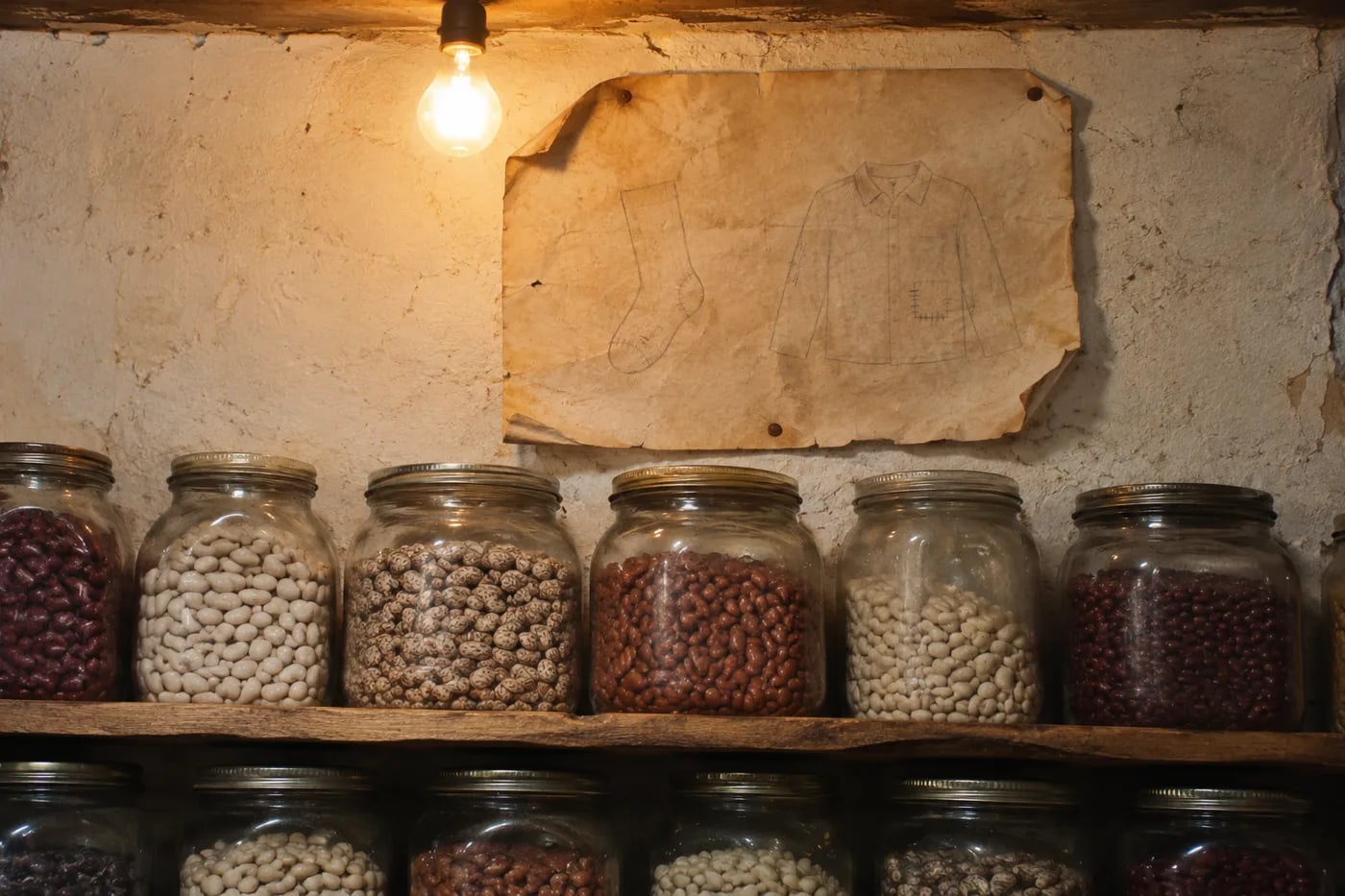
You probably know the full version by heart: use it up, wear it out, make it do, or do without. Most lists of frugal tips from the Great Depression put it right at the top, as if every 1930s kitchen had it stitched on a sampler.
The paper trail tells a different story. Phrase researcher Barry Popik traced the earliest printed version to 1933, in a book called *An Astronomer's Life* by Edwin Brant Frost. And it started with food: "Eat it up. Wear it out. Make it do."
By 1938 a Cleveland paper was crediting Calvin Coolidge with saying those maxims "made New England great." A 1942 Oregon paper called it a Vermont saying. So it was a Yankee proverb first.
Then the war got hold of it. The War Advertising Council ran it in magazine ads across the country as "Use it up... Wear it out... Make it do... Or do without," to save scarce goods and keep demand from pushing prices up. The Depression link came later, in family memory.
The families who lived by it don't much care where it started.
"My parents grew up during the Great Depression. They taught me: Use it up, wear it out, make it do, or do without." (Adult child of Depression-era parents, r/preppers)
Keep the motto. Just notice the original order. "Eat it up" came first, and food is still where the biggest waste hides (see #10).
16A sweater instead of the thermostat
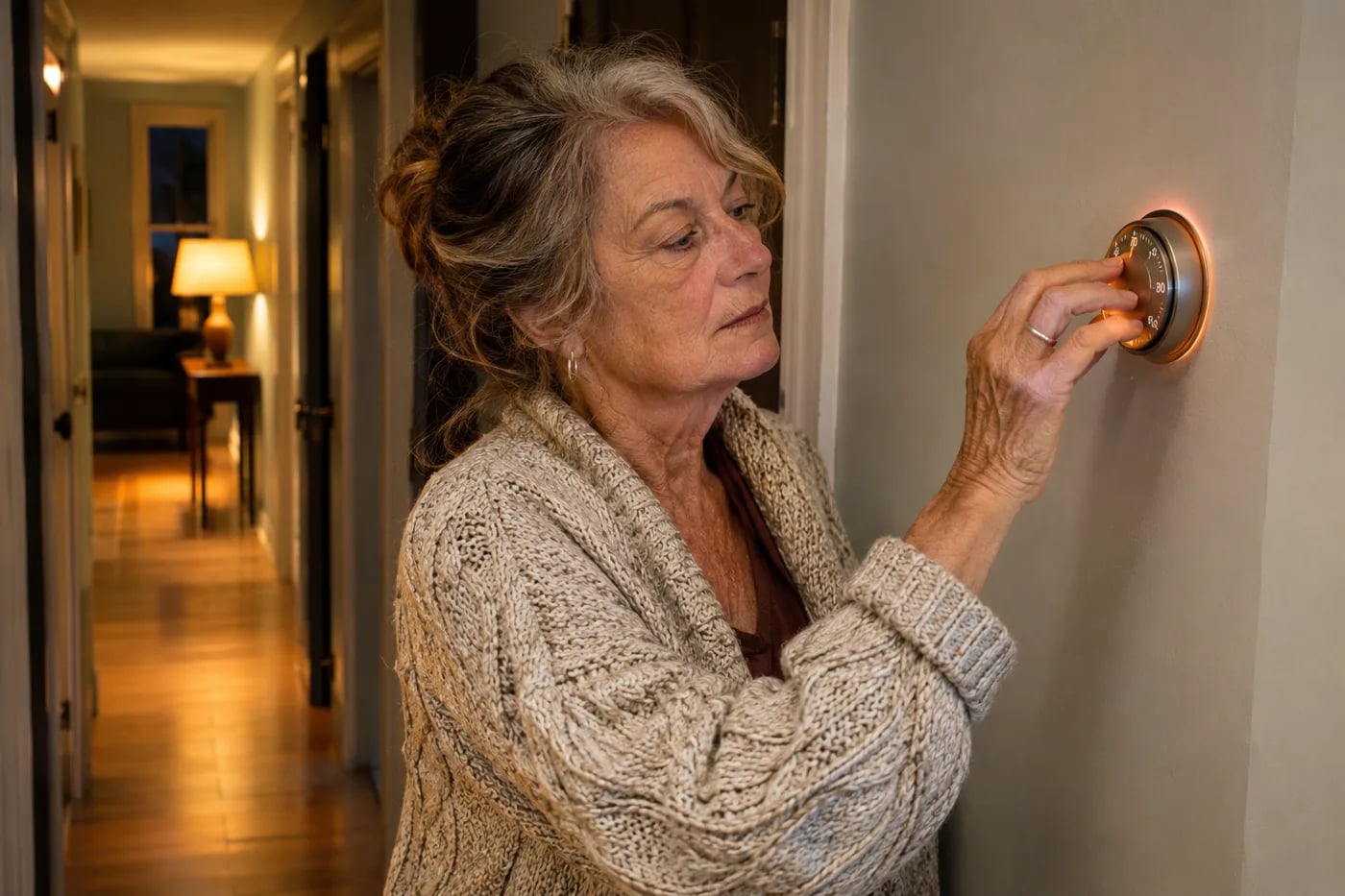
Grandma's answer to cold feet was a cardigan, not the dial in the hallway. The Department of Energy backs her up, to a point: turning the thermostat back 7 to 10 degrees for 8 hours a day can save as much as 10% a year on heating and cooling.
That 10% comes off heating and cooling only.
The average household spent $4,931 on utilities, fuels and public services in 2025, about $411 a month. Heat is just one slice of that. If your heat runs on natural gas, the most common home heating fuel, the federal energy agency's current Winter Fuels Outlook expects the average gas-heated home to spend about $640 from November through March this winter, 9% less than last winter. The full 10% off that is about $64 for the whole winter, not $40 a month.
The painless version: those 8 hours can be the 8 you're already asleep under a quilt. Turn it back at bedtime and the saving costs you nothing at all.
Sitting up in two sweaters and fingerless gloves to wring out a few more dollars is a different deal. Grandma didn't have a choice. You might.
15Turning off the light when you leave
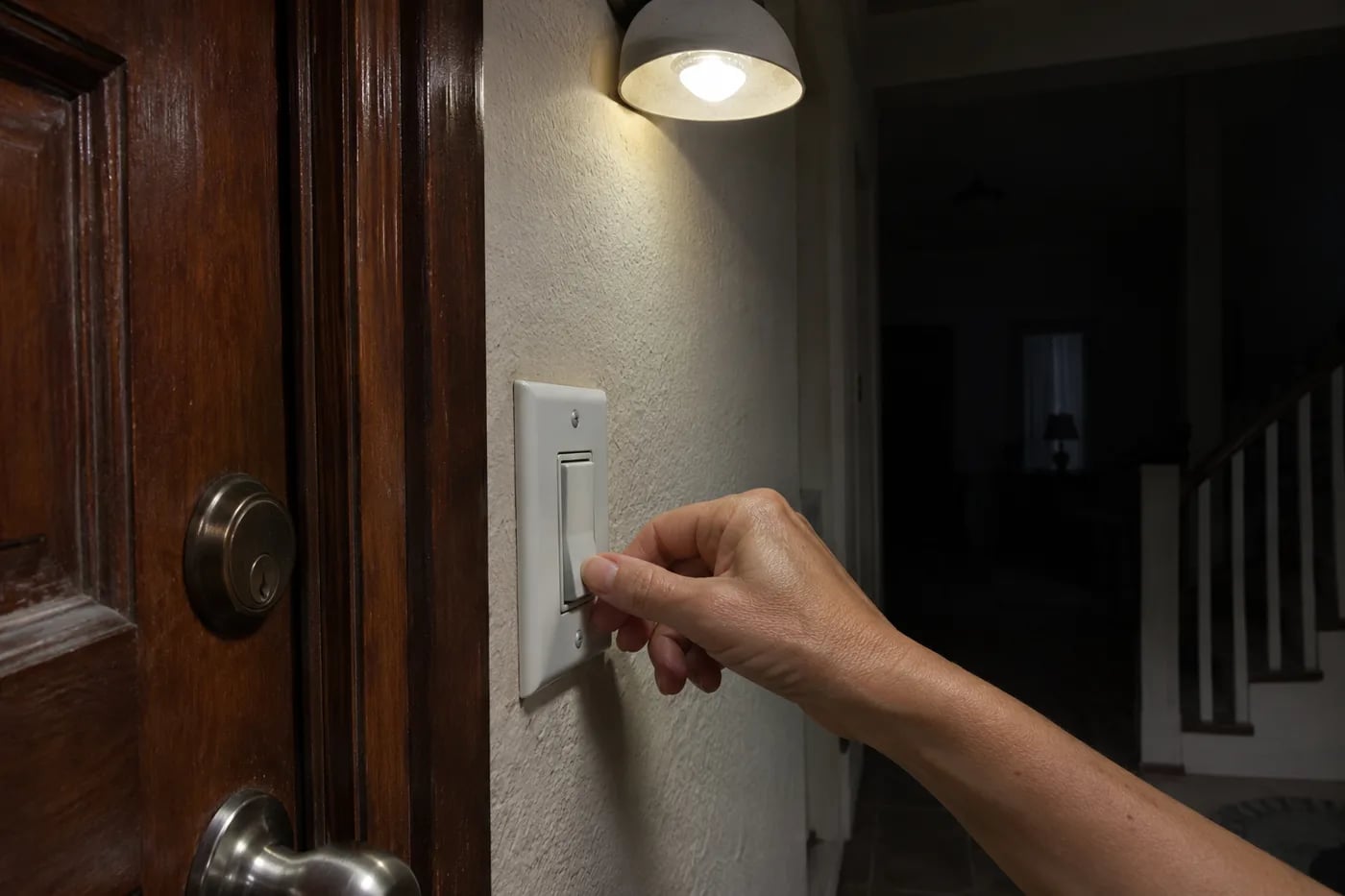
Of everything she nagged you about, the light switch has aged the worst. Blame the bulb.
When she flipped switches behind you, the hall lamp probably held a 60-watt incandescent. Today it's more likely a 10-watt LED. At the national average of 18.16 cents per kilowatt-hour in August 2026, here's a rough estimate of what forgetting costs, assuming typical bulb wattages:
| Bulb | Left on 1 hour | Left on all night (8 hours) |
|---|---|---|
| Old 60-watt incandescent | about 1.1 cents | about 9 cents |
| Typical 10-watt LED | about 0.2 cents | about 1.5 cents |
Leave one LED burning around the clock for an entire year and, by this estimate, you'd spend about $16.
So yes, flip it off when you think of it. But nobody needs to march back down the stairs for it, and nobody needs a lecture about it either.
14The coin jar on the dresser
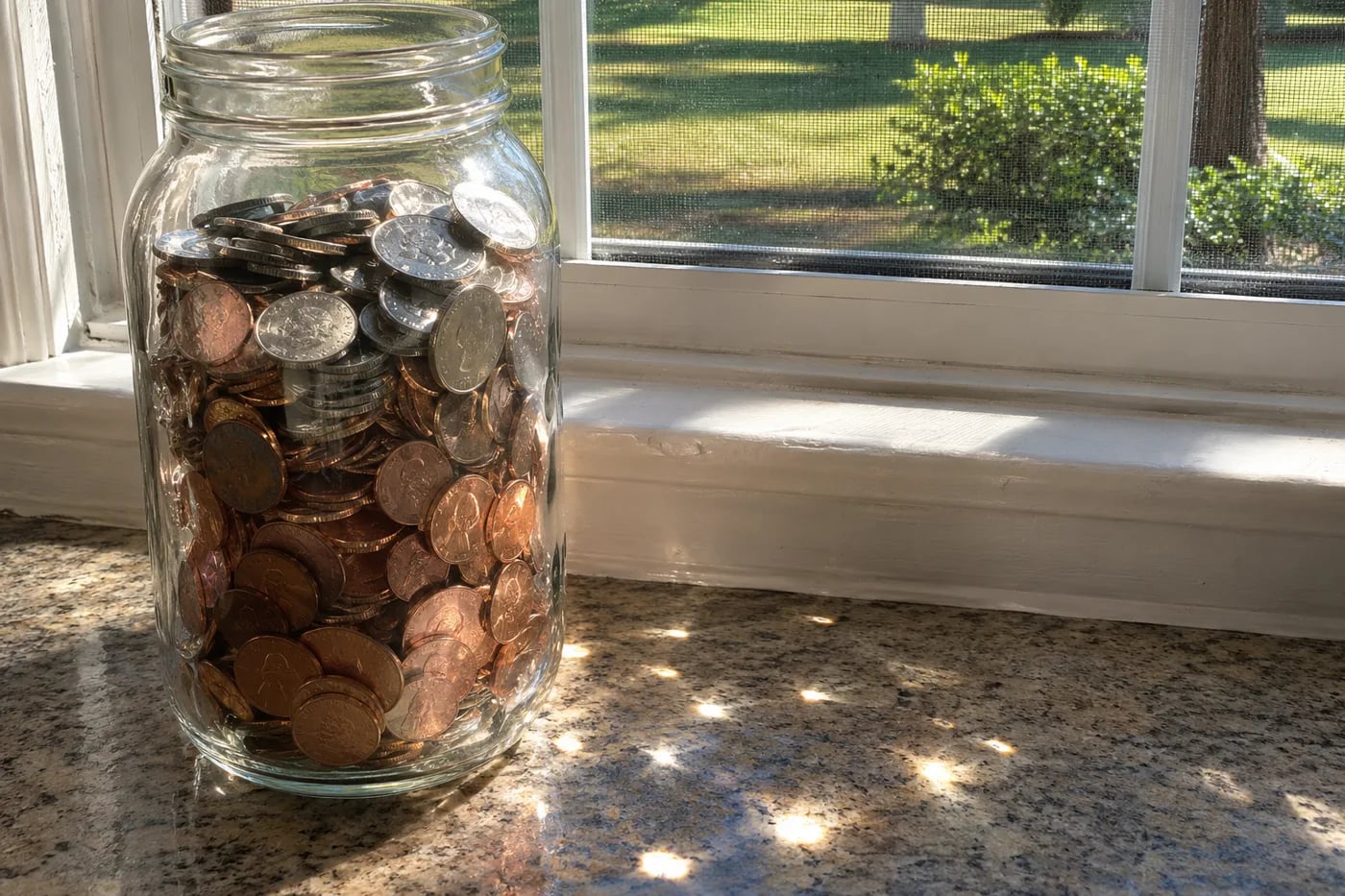
Every night the pockets got emptied and the change went clinking into a pickle jar or a big glass bottle. Pennies on the bottom, a few quarters glinting near the top.
People still do it. In a 2020 Coinstar survey of about 1,000 adults, Americans figured they had "just over $100" in loose change at home, and 40% said they set spare change aside for emergencies.
That's the catch. A hundred dollars won't cover much of an emergency, and it earns nothing sitting in glass.
The coin jar has a modern cousin with a bigger appetite. The $27.39 rule says that if you put away $27.39 a day, you'll have just under $10,000 after a year. That's a little over $830 a month, which won't fit plenty of budgets. Borrow the idea and shrink the number.
The jar is worth keeping as a habit. Just empty it into a savings account a few times a year instead of letting it become dresser decor. Cashing out for money at a Coinstar kiosk can cost a service fee of up to 15.9% plus a transaction fee of up to $0.99. On a $100 jar, that's up to about $17 gone. An eGift card carries no fee at most US locations, so read the screen before you pour.
13Water in the last of the shampoo
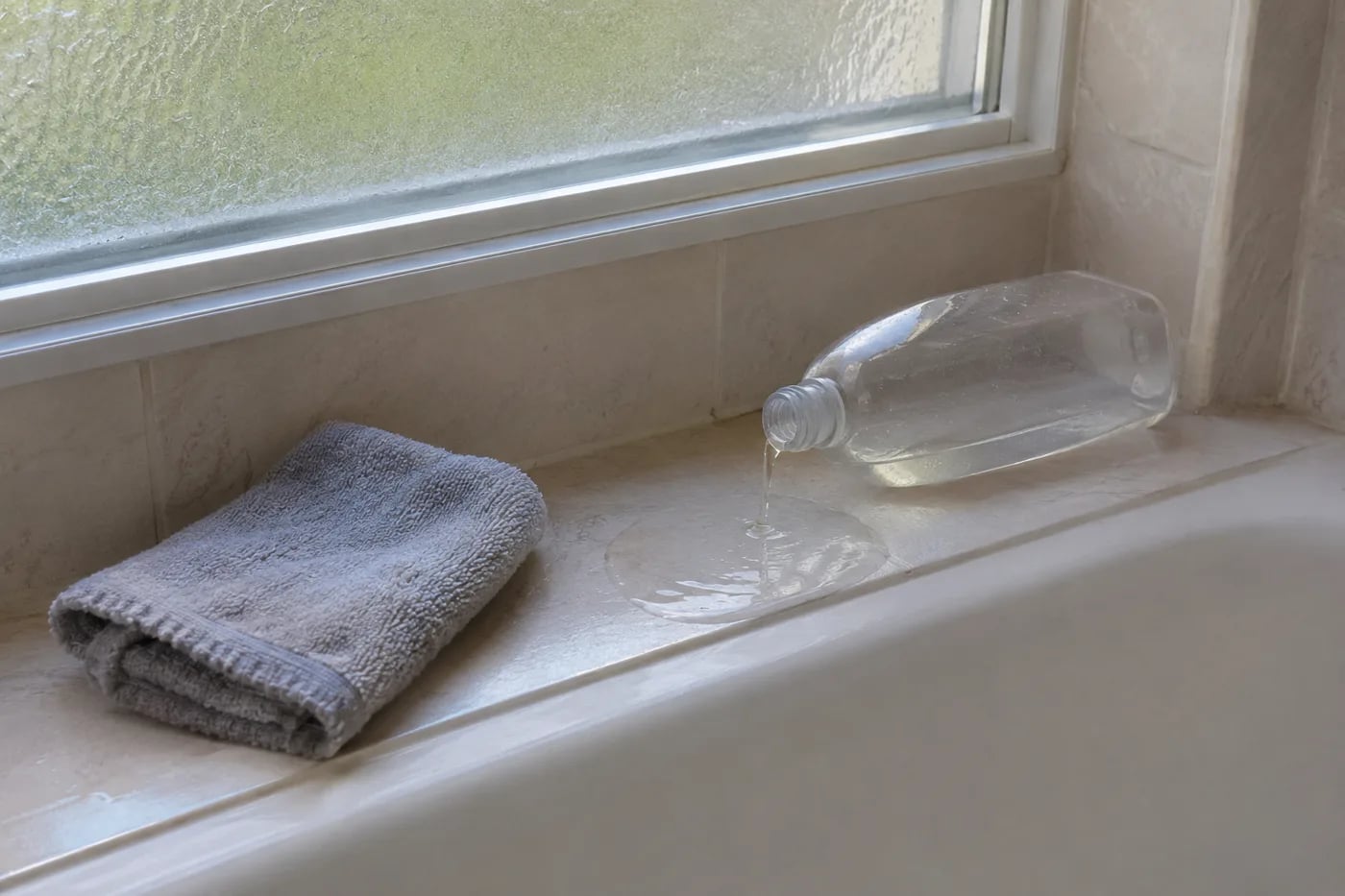
Is that splash of water in the nearly empty bottle doing any harm? Usually not, if you're quick about it.
Several people online say they still do it. In Reddit threads about habits picked up from grandparents, people describe topping off shampoo, soap and detergent with water, slicing open toothpaste tubes, and pressing old soap slivers onto a new bar.
The money at stake is small. Housekeeping supplies averaged $844 a household in 2025, about $70 a month for everything under the sink. The last inch of one bottle is a sliver of that.
The risk is small too, as long as you don't let it sit. The FDA says the preservatives in cosmetics can break down over time, "allowing bacteria and fungi to grow." The agency doesn't mention shampoo, so water it down and use it up within a shower or two rather than leaving a diluted bottle on the tub ledge for a month.
The FDA does name one product you should never add water to: mascara. "Do not add water or, even worse, saliva to moisten it." If you ever licked a mascara wand, you have company.
12Every butter tub and bread bag saved
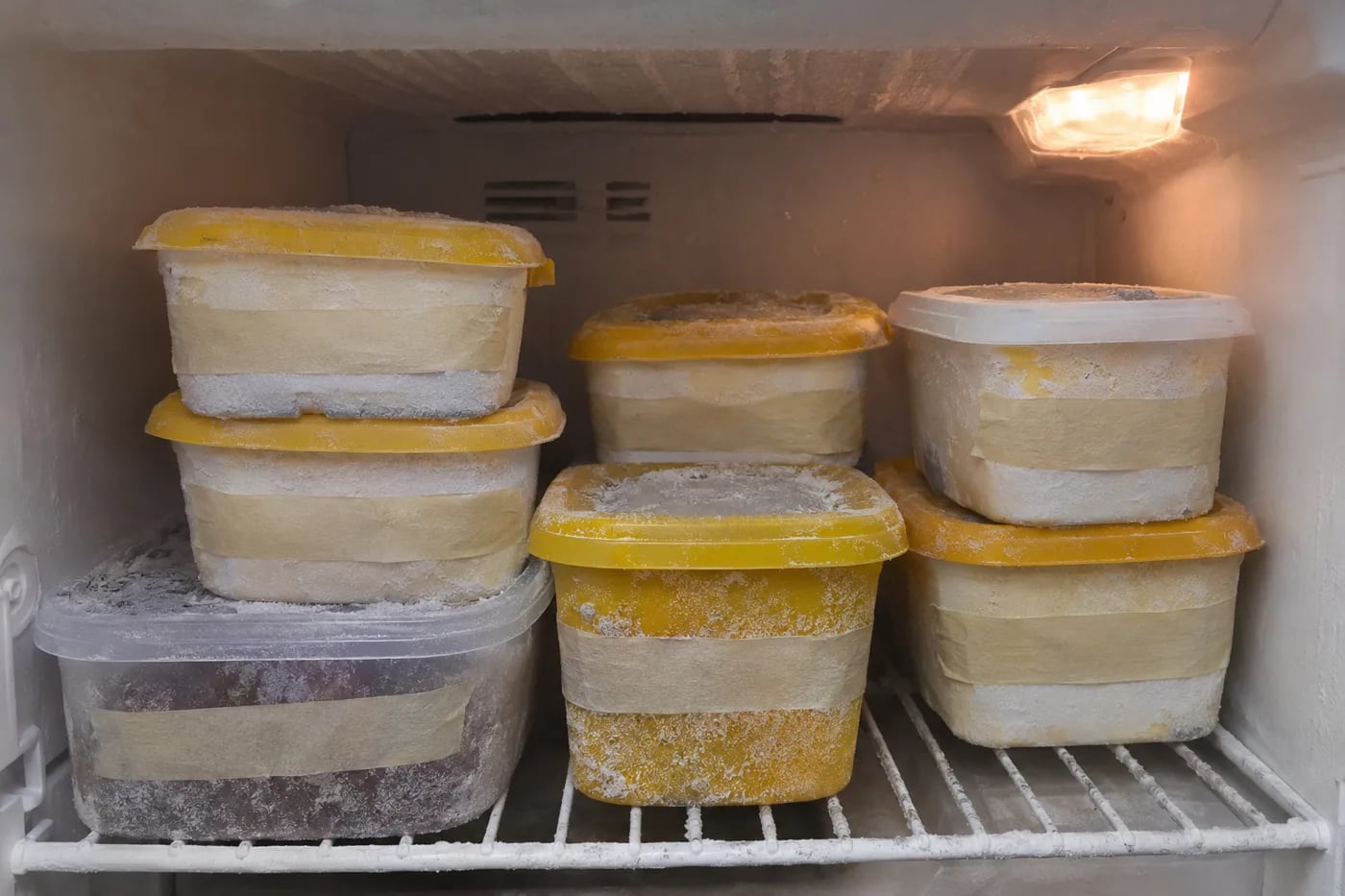
Open the freezer and there it is: a Cool Whip tub that has held chili, soup and a lone pork chop, but no Cool Whip since sometime in the last century.
People swapping stories of what their grandparents taught them describe butter tubs and jars for leftovers, washed zipper bags, and grocery sacks lined up under the sink as trash bags. It's all free, and most of it is fine.
Two rules keep it fine:
1. Keep the tubs out of the microwave. Harvard Health warns that plastic tubs made to hold margarine, yogurt, whipped topping, cream cheese and mayonnaise are generally not microwave-safe. A container has to pass FDA testing before it can carry that label. Spoon the leftovers onto a plate or into a glass dish before you heat them.
2. Throw out anything that held raw meat. The foam tray, the plastic wrap, the bag the chicken came in. The USDA's advice is blunt: "Don't reuse any packaging materials."
Cold leftovers, the freezer, a jar of buttons, a tub of screws in the garage: carry on. The chili can stay in the Cool Whip tub until it's time to heat it.
11The backyard vegetable garden
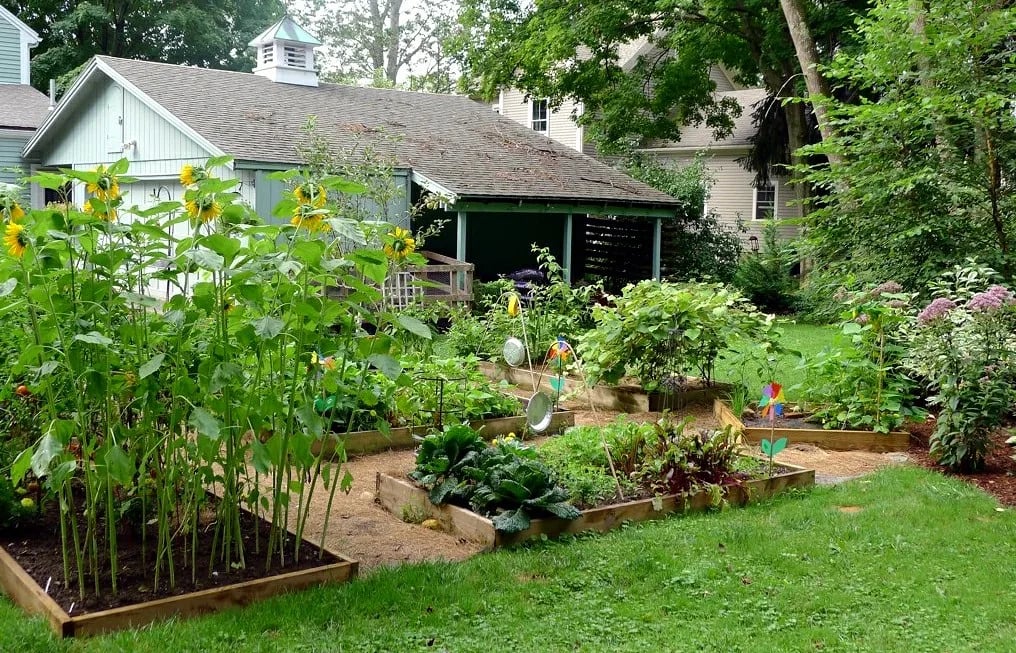
When grandma set out tomato plants every spring, she was keeping up something the whole country had done together.
Near the end of World War II, about 20 million Victory Gardens were producing 40 percent of the vegetables Americans ate. In 1943 Agriculture Secretary Claude Wickard put it this way: "Food will win the war and write the peace."
Does it still pay? The National Gardening Association once worked out that a $70 investment could yield about $600 worth of food. Look at the fine print, though. That was in 2009, valuing vegetables at $2 a pound, from a 600-square-foot plot, roughly 20 by 30 feet.
A few pots on an apartment balcony won't come close to that return. And if you don't have a yard at all, this one simply isn't yours to feel guilty about.
If you love to grow your own food, the math is a nice bonus. If you were only in it for the savings, remember that 600 square feet is a lot of weeding.
10Leftovers night and the fridge clean-out

Grandma's version was a Thursday supper made of whatever was about to turn: half an onion, two potatoes, the end of a ham, three eggs. Call it a use it up dinner.
It's the most valuable food habit in this whole lineup. The EPA puts the cost of wasted food at $728 a year per person. For a household of four, that's about $2,913 a year, or $56 a week, counting food eaten at home and out.
If you live alone, the $728 is still all yours to lose: about $14 a week.
Whatever is sliding to the back of the fridge, behind the milk, adds up to real money.
Pick one night a week. Open the fridge before you open a cookbook. Soup, a frittata, fried rice, a big hash in the cast-iron pan. If you only keep one kitchen habit from grandma, I'd keep this one.
9Shoes resoled at the cobbler
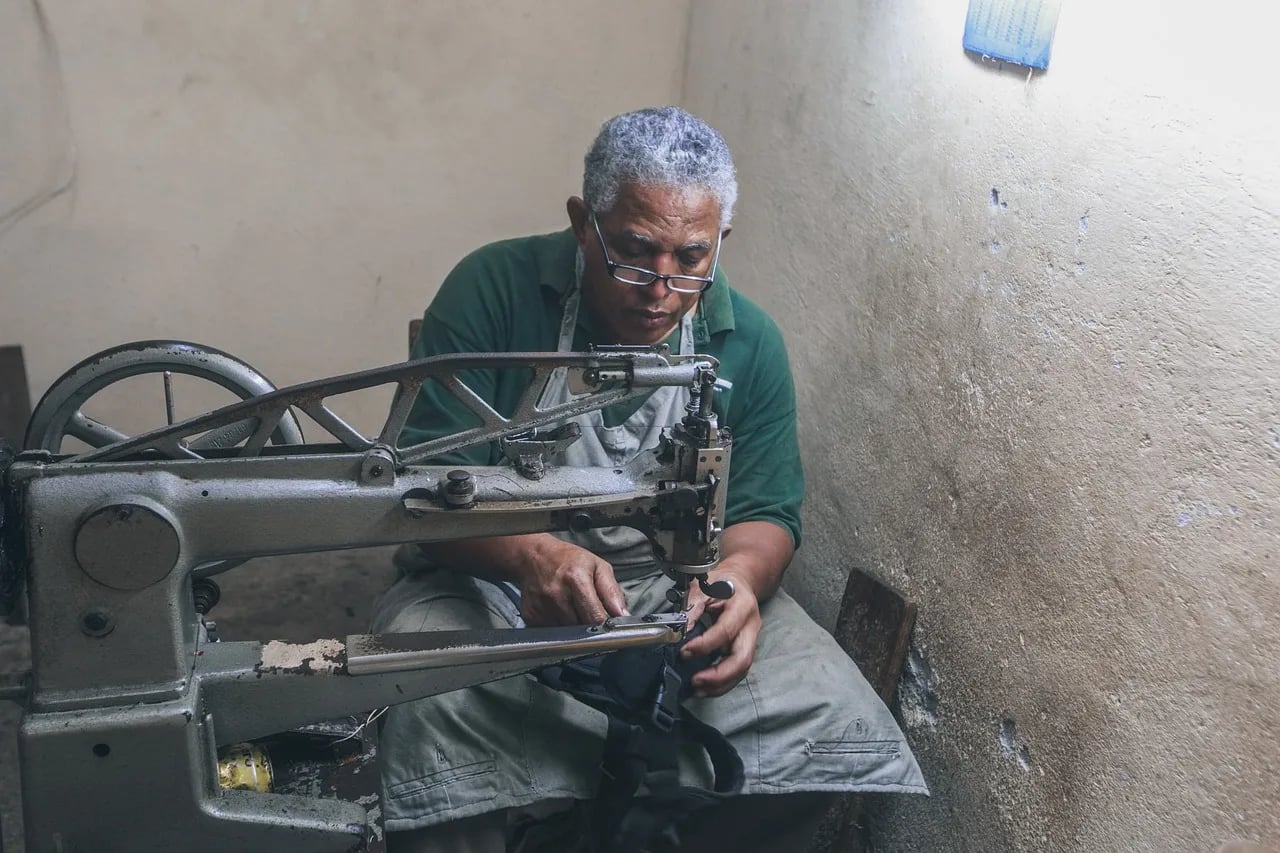
You remember the shop: the smell of leather and glue, the whirring buffer, a paper claim ticket with your name scrawled on it. A week later your good shoes came back looking better than when you bought them.
Finding that shop is the hard part now. Jim McFarland, former president of the Shoe Service Institute of America, says most of the remaining repair shops are run by owners nearing retirement, with no apprentices to take over.
He's also frank about what you bring in. Many imported shoes, he says, are "not worth repairing."
So here's how to sort it. Good leather shoes and boots you love: find a cobbler and keep them going. Red Wing, for one, charges $165 for a standard resole on boots that cost $349.99 new. Cheap pairs: ask the cobbler before you pay for anything, and if the answer is no, let them go without a second thought.
8Beans, potatoes and eggs instead of meat
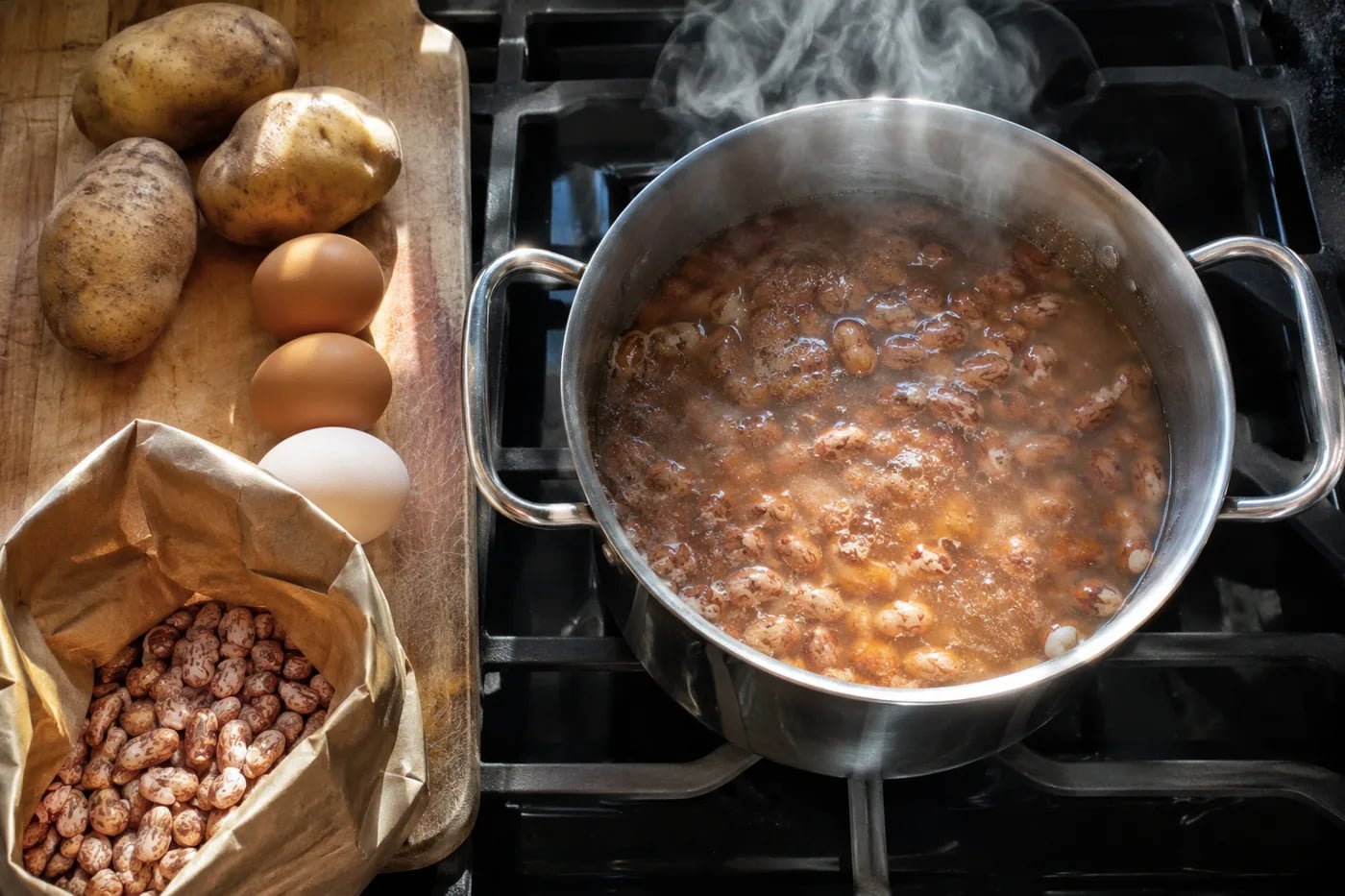
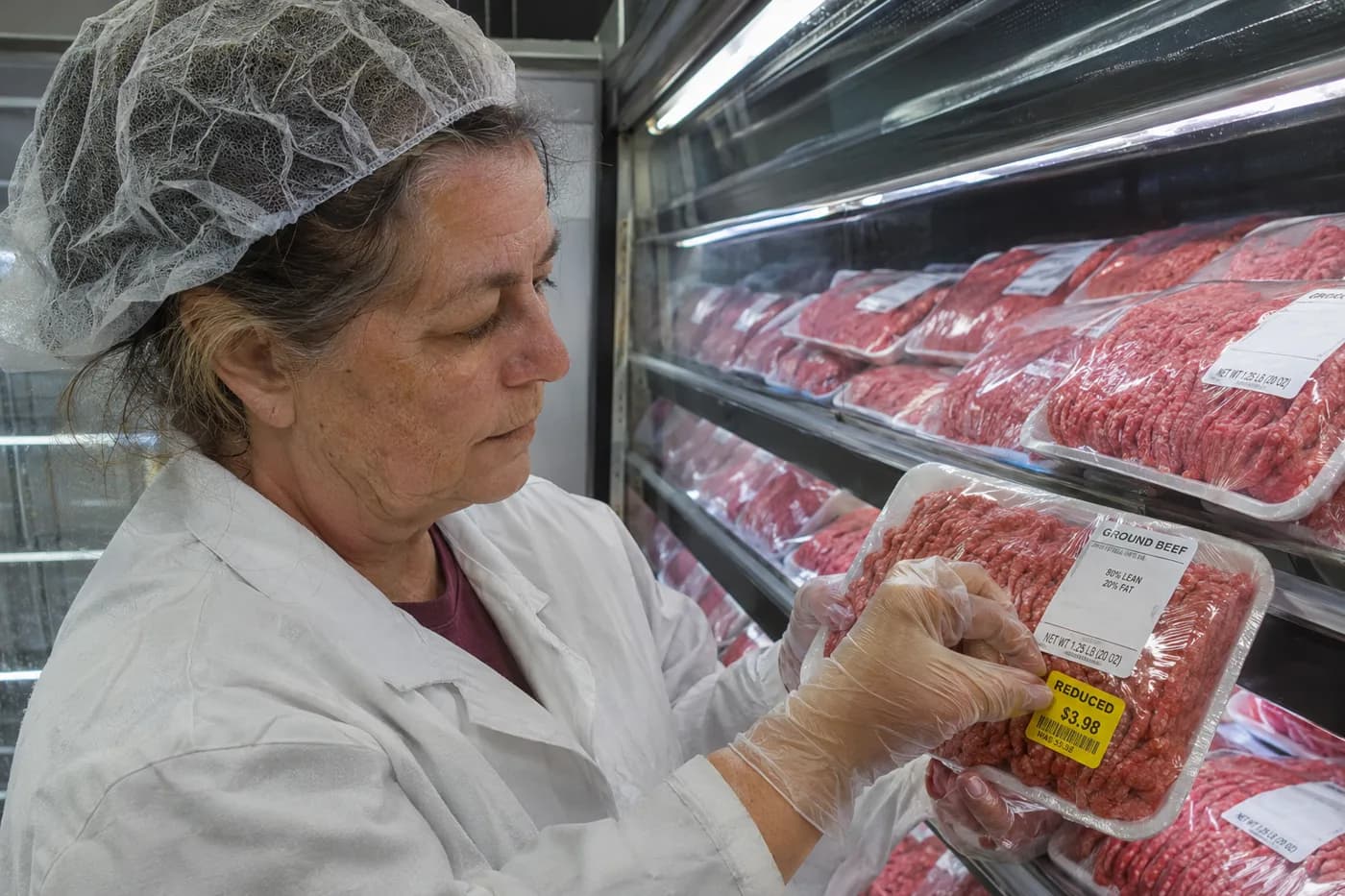
Grandma knew a pound of ground beef could feed a crowd if you stretched it across a pot of chili and a pan of cornbread. Cooking from scratch with meat as an accent was simply how supper worked.
That instinct is worth more now than it's been in a while. Average household spending on meats, poultry, fish and eggs jumped 11.7% in 2025 to $1,579, and the government says that jump drove part of the 4.6% rise in food spending overall.
When people trade notes on which habits still work, beans, eggs, potatoes, onions and cabbage come up again and again.
Then comes the question every bean cook argues about: dry or canned? The Bean Institute, an industry group, prices a half-cup serving of pinto beans like this:
| Pinto beans | Cost per serving |
|---|---|
| Dry, from a bag | $0.14 |
| Store-brand can | $0.34 |
| National-brand can | $0.45 |
Dry costs about a third as much as a name-brand can. But the group's own estimate is that a family of four eating beans once a week saves only about $65 a year going dry, and that takes 3 to 24 hours of soaking and simmering.
My honest take: the real saving is beans instead of meat. Dry versus canned is small change. A store-brand can on a busy night is nothing to apologize for.
7If it still works, don't replace it
"My kids roll their eyes when I say, if it still works, why would I replace it?" (Parent who still uses decades-old appliances, r/GenX)
Let the eyes roll. ENERGY STAR's own numbers back you up on the big one in the kitchen.
A fridge more than 15 years old uses about 20% more energy than a certified new model. Replacing it saves about $150 over the new fridge's 12-year life. That's about $12.50 a year, or roughly 3 cents a day.
A new refrigerator costs many times $150. On electricity alone, the humming old one in your kitchen almost never earns its own replacement.
The math changes when it starts to fail: a seal that won't close, a freezer that frosts over, food that won't stay cold. Until then, it's working, and it's paid for.
6Baking in winter to warm the house

"My parents would make meals that used the oven, heating the house in the winter. In the summer we made lots of salads to keep the house cool." (Adult recalling their parents' habits, r/Frugal)
Both halves still hold up. A pot roast on a January Sunday warms the kitchen, and nobody minds. Cold suppers in August keep the heat out of the house.
The winter half has a dangerous cousin: leaving the oven door open, or running the stovetop burners, as a heater. The Consumer Product Safety Commission says flatly to never use gas appliances such as ranges, ovens or clothes dryers to heat your home, because they can fill a house with carbon monoxide. The CDC counts more than 400 Americans dead every year from accidental carbon monoxide poisoning not linked to fires.
What to do: bake when you want to bake, close the oven door when the food comes out, and have a battery or battery-backup carbon monoxide alarm on every level of the house and outside the bedrooms.
Enjoy the casserole. Skip the open door.
5Canning and freezing the summer harvest
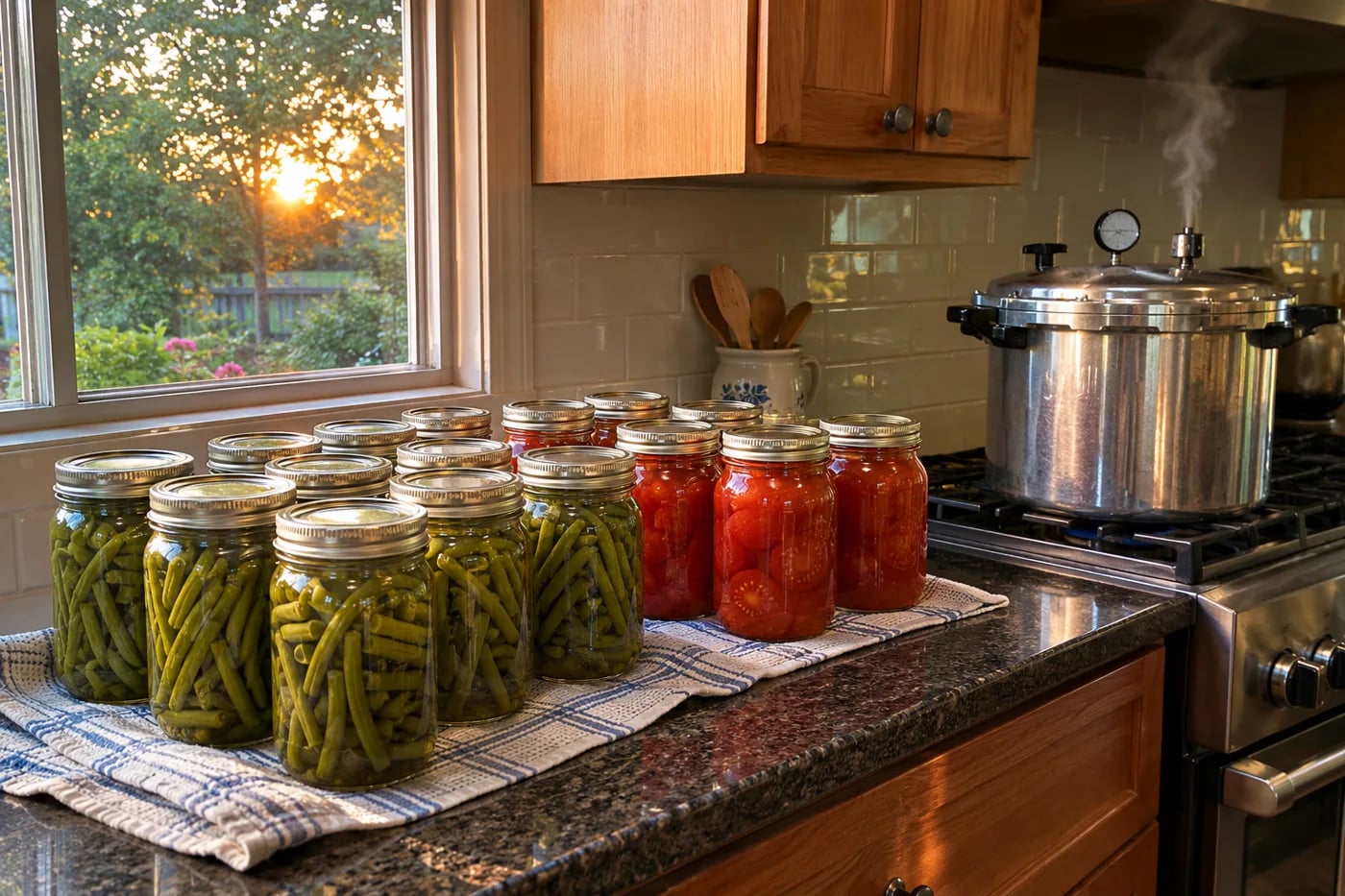
Rows of jars cooling on a towel, and every so often a soft *ping* as a lid sealed. Preserving food was summer's last big chore, and the pantry shelves proved it.
The rules have changed since then, mostly for the better.
Green beans, corn, carrots and other vegetables are low-acid foods, and the CDC says home-canned vegetables are the most common cause of botulism outbreaks in the United States. They need a pressure canner, not a boiling-water bath, to be free of botulism risk.
The other surprise: those flat metal lids grandma might have saved and reused are meant to be used once. Iowa State University Extension says after the first use the lid won't seal properly, while the jars and screw bands can be reused many times.
Whether it saves money depends on what the produce cost you. Free tomatoes from a neighbor's overflowing garden are one thing. A bushel bought at peak price plus a new pressure canner, which runs $166.99 for Presto's 16-quart model, is another. And if canning isn't for you, your freezer can do much of the work with nothing more than good bags.
The CDC's own motto belongs on a sampler: "If in doubt, throw it out!"
4Clipping coupons from the Sunday paper
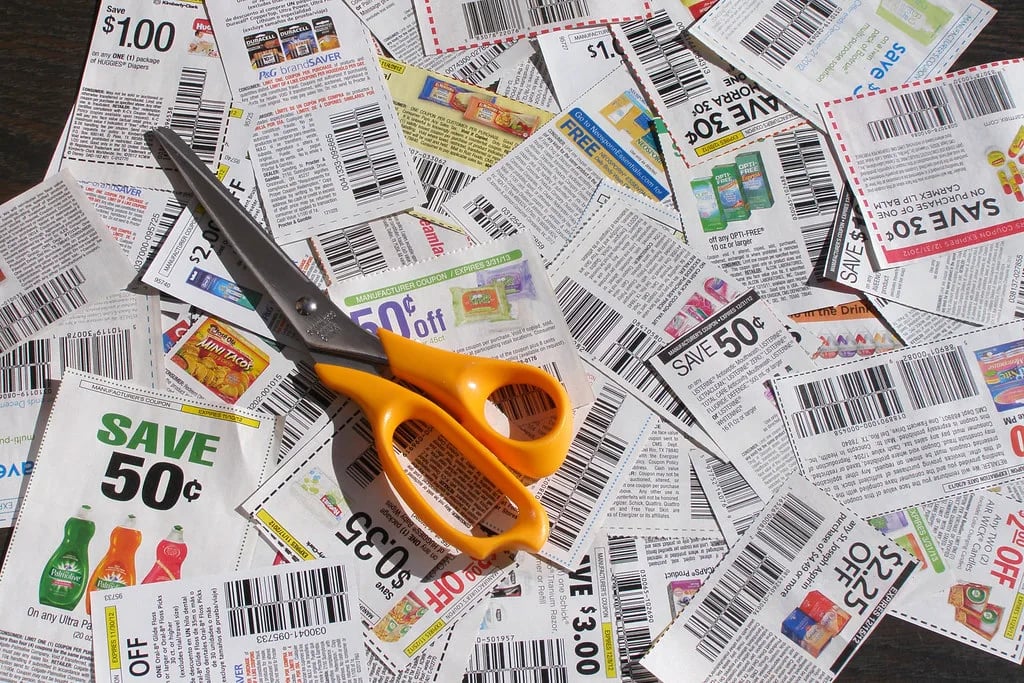
The Sunday paper hit the porch heavy with glossy inserts, and out came the scissors and the accordion file. For some people it was a weekly ritual, and the checkout total was the scoreboard.
Those inserts are fading fast. Total coupon distribution fell from 53.1 billion in 2024 to 34 billion in 2025, a drop of more than a third, according to Inmar, a firm that tracks coupons for the industry. The growth is in "load-to-card" offers, discounts you attach online to your store loyalty card. The Sunday sections keep shrinking.
Then there's the finding coupon lovers won't like. Carleton University researchers pooled 29 experiments on 12 money-saving strategies, and coupons were the only one that made people spend more. Most of the people tested were in their twenties, so take that with a grain of salt, but the pull is familiar to anyone who ever bought a jar of something because it was 75 cents off.
On Reddit, the arguments still go both ways. Some say the extreme couponing days are over. A former grocery checker remembers shoppers still walking out paying a small fraction of the shelf price.
Both can be true. A coupon only saves you money on something already on your list. Check your list first, the coupons second, and never the other way around.
3The bank Christmas club account
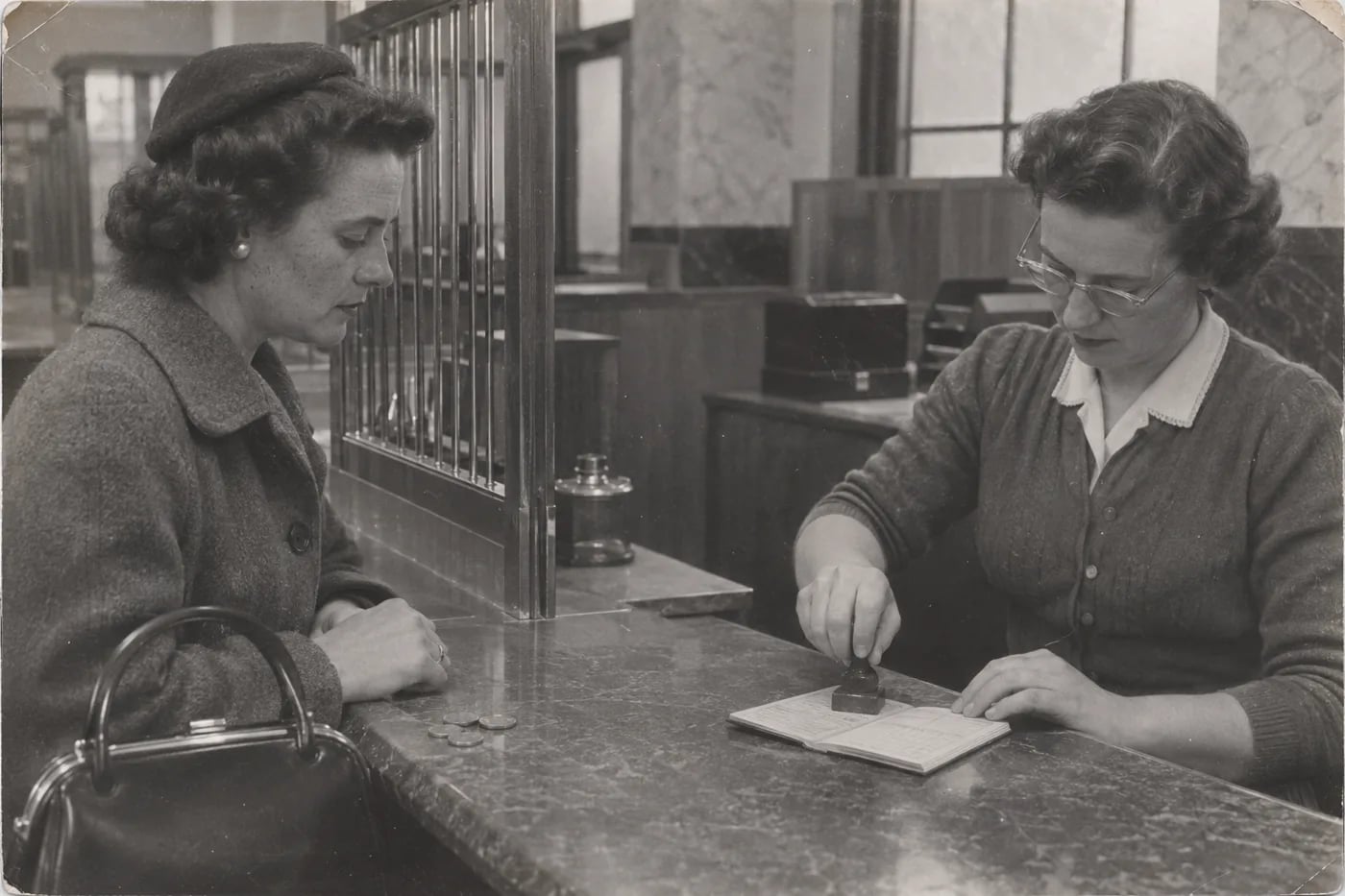
The little club book from the bank. A deposit every week, sometimes just a few cents. Then a check in November, right when you needed it.
The Christmas club started in 1909, when the Carlisle Trust Company of Pennsylvania opened the first one. Clubs ran 50 weeks and paid out in November, and you could save as little as a penny a week.
You might figure they died out years ago. They didn't. Some credit unions still run them, and the two we checked pay wildly different rates.
Now compare the modern way people pay for the holidays: "buy now, pay later" plans that split a purchase into a few payments at checkout. A December 2025 federal report found 4.1% of those loans were hit with a late fee in 2023. Lauren Saunders of the National Consumer Law Center points out that late fees only show part of who is struggling to keep up.
One plan pays you interest for waiting. The other can charge you for being late. Grandma's savings habit wins this round.
2One decision that keeps saving every month
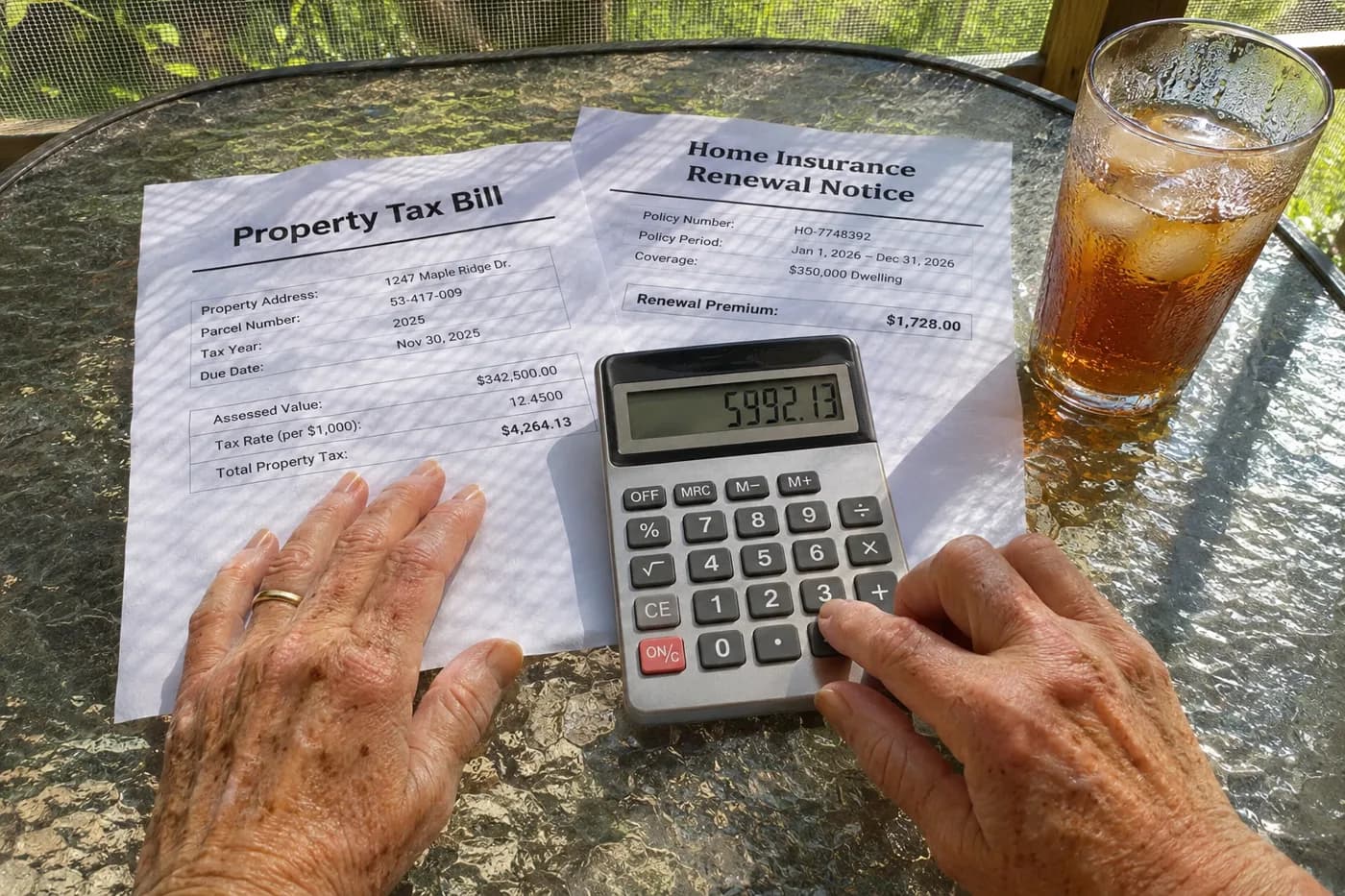
Grandma had a few fixed bills: the rent or mortgage, the electric, the phone, maybe an insurance man who came to the door. When one went up, she noticed, because she paid it by hand.
You likely have a dozen charges that renew on their own, and that's where her watchfulness pays best now. In a 2022 survey by C+R Research, people guessed they spent $86 a month on subscriptions. The real average was $219, and 42% had forgotten at least one they were still paying for.
Certified financial planner Douglas Boneparth explains why: "It's a slippery slope with subscriptions because it just happens automatically."
Rob Berger, a former securities lawyer and founding editor of Forbes Money Advisor, says to stop fretting over the small daily treats and hunt for these instead. His question: "Are there changes we can make just once that continue to save us money month after month after month?"
Not sure you'd miss one? His test: "Just turn it off for two weeks and then assess whether you miss it or not."
He also points out that a lower monthly bill pays you twice. It frees money now, and it shrinks the nest egg you need, because you'll be living on less. In his example, trimming $200 a month cut a $900,000 savings target to $840,000.
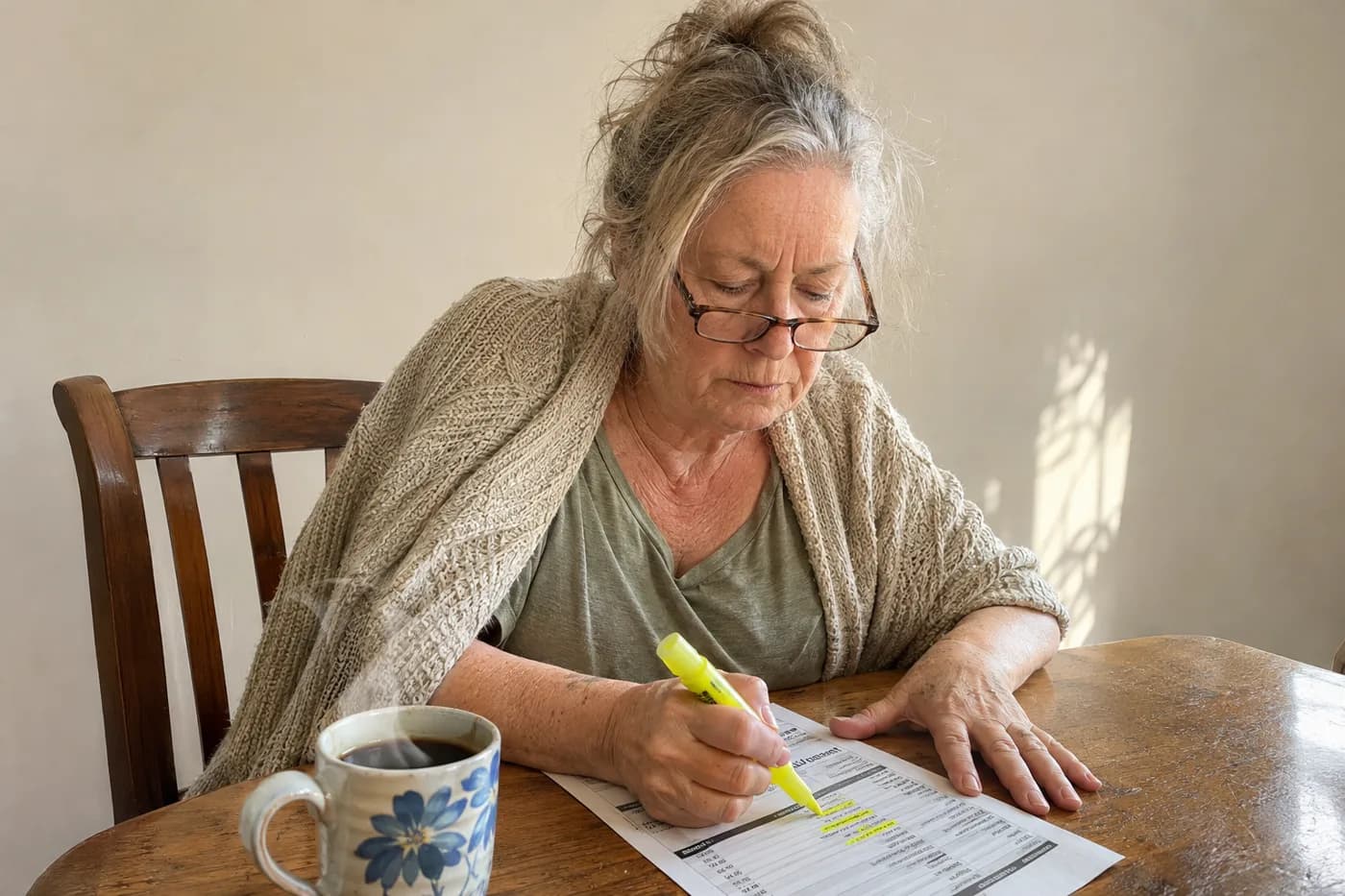
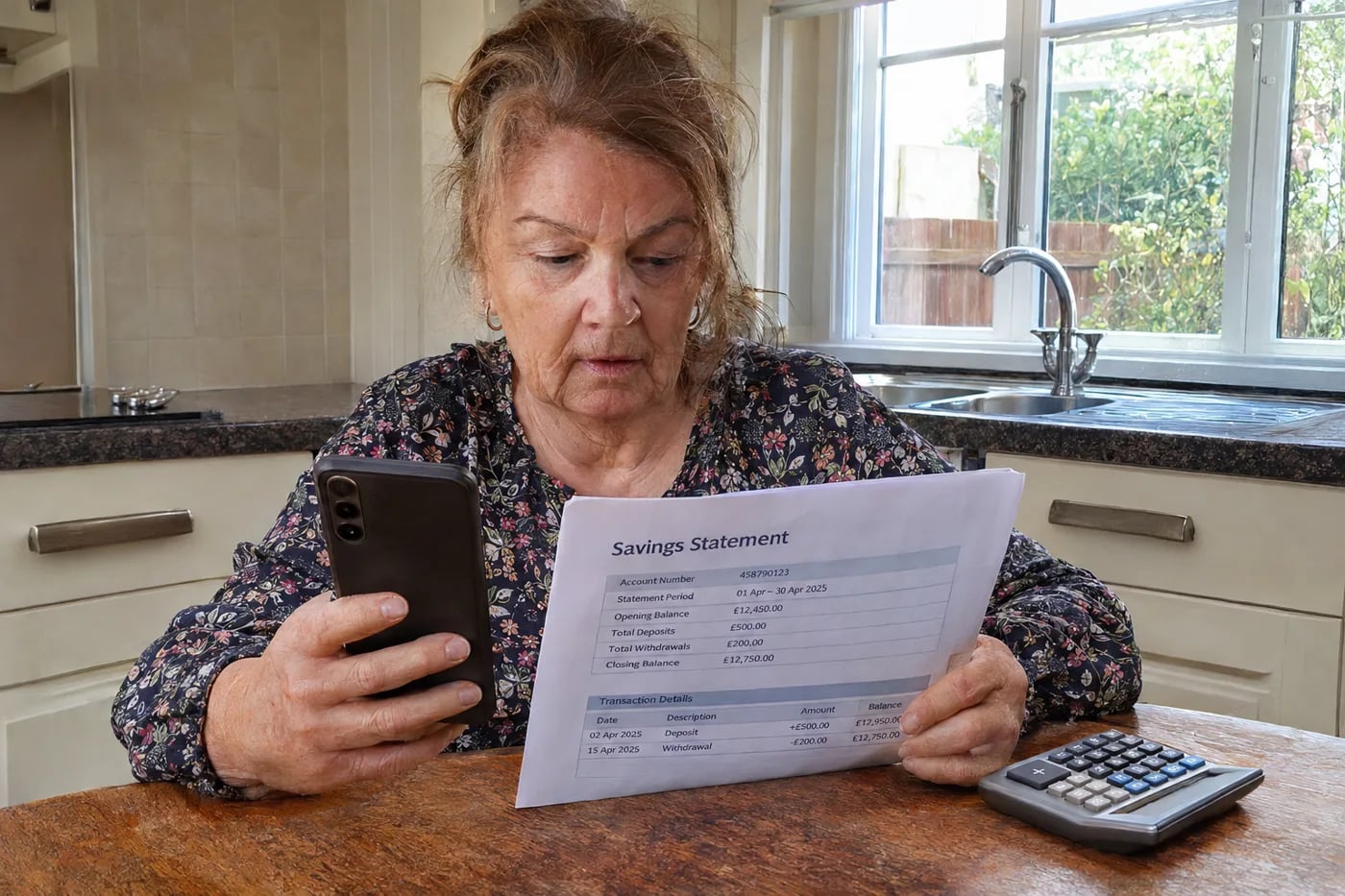
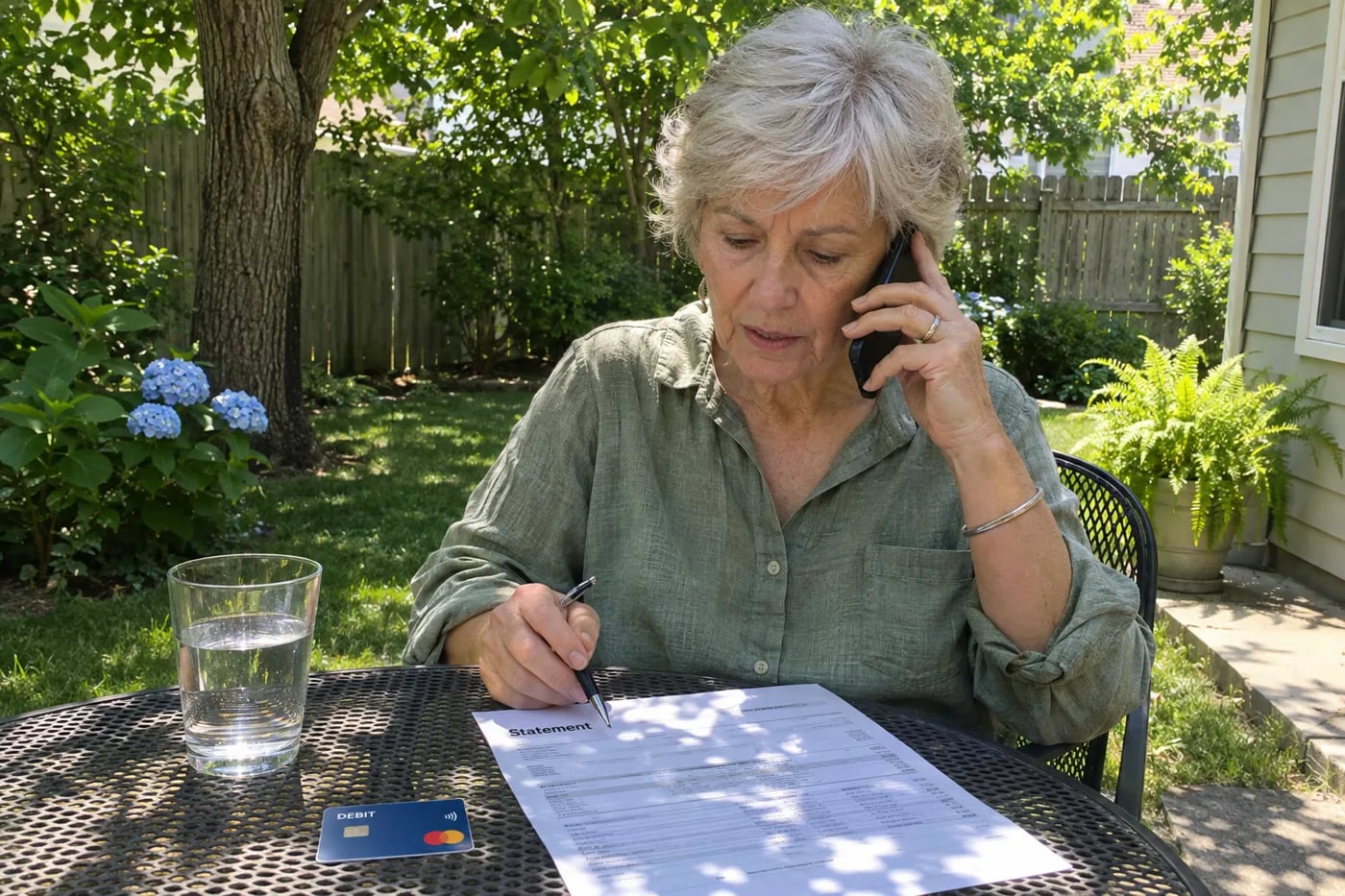
Get out the last two months of card and bank statements and go line by line with a highlighter. Insurance, phone, streaming, the gym, the cloud storage you set up once and forgot. Ten minutes on one renewal beats a whole year of clipping coupons.
1Knowing when to stop pinching pennies

Here's what grandma never told you, maybe because nobody told her: for people who've saved enough, thrift can become the most expensive habit of all.
Retirement researchers David Blanchett and Michael Finke studied about 2,500 US households. Retirees spent about 80% of their guaranteed income, like Social Security and pensions, but withdrew only about half of what they could safely take from savings. Married 65-year-olds took out just 2.1% of their savings in a year.
Blanchett's explanation: "retirees are a lot more comfortable spending lifetime income than withdrawing from savings."
Certified financial planner Lena Armuth explains why the reflex sticks. In her words, "For 40 years, you trained your brain to do one thing, save. The problem is you can't switch it off the day that you retire."
It shows up in small, automatic choices.
"It's ordering the second cheapest wine off the menu out of habit." (Lena Armuth, CFP, on YouTube)
She goes on: "None of those feel like a problem on their own. Together, they're the most expensive habit in retirement, because the thing they cost you isn't money."
A fair warning: Armuth is talking to people who saved plenty. If your budget really is tight, keep every trick that works for you, and don't let anyone shame you for it.
But if the numbers say you're fine and you're still sitting in the cold, or skipping the trip, or ordering the cheap wine on autopilot, extreme frugal habits are costing you something grandma never meant you to give up. Keep the habits that save real money: leftovers night, the forgotten bills, the Christmas club. Let go of the ones that only save pennies.
The bottom line
Grandma's tricks were aimed at what was expensive in her day: heat, shoes, meat, cloth. Some of those targets moved. Light bulbs learned to sip power, and shoe shops nearly vanished. The money now leaks out through bills that pay themselves.
So here's a question worth sitting with: which of your habits do you keep because they save money, and which because skipping them would make you feel guilty? Only the first kind deserves your effort.
And decide where the savings go before you find them. Rob Berger's advice is to give that money a home on autopilot: "You want to take that money and automate it into your financial plan." A standing transfer to savings, an extra debt payment, a Christmas club.
Set it up the same day you cancel the first forgotten subscription, so the money moves before you notice it's there.
Up next
15 Things to Know About the Best Bank Account Bonuses That Can Beat a Black Friday Sale
Which bank bonuses a Social Security deposit can earn, what you keep after tax and fees, and when the money lands.
Read the list →
Bonus: five old habits worth a fresh look
- Stop the drafts at the source. ENERGY STAR says sealing air leaks and adding insulation can save up to 10% on annual energy bills, and weatherstripping and caulking are among the simple jobs.
- Before you toss jeans with a broken zipper, get a price. One New Jersey tailor lists zipper repairs starting at $15 to $25, and as one r/Frugal commenter put it, "Even if you can't sew, it's so cheap to have a tailor put a new zipper in a pair of jeans."
- Look for a bakery outlet near you. Flowers Foods runs more than 200 outlet stores that sell surplus Nature's Own, Wonder and Tastykake.
- Try the scrunch test on used wrapping paper. Raleigh, North Carolina says if a crumpled ball holds its shape, it can be recycled; if it springs open, it's trash. Check your own city's rules.
- Clean the dryer's lint filter after every load and use the moisture sensor setting, both ENERGY STAR tips for getting the job done on less power.
Questions people also ask
What is the $27.39 rule?
It's a savings goal: put aside $27.39 every day, and after a year you'll have just under $10,000. CBS News suggests keeping it in a high-yield savings account, and notes that those rates can change. That's a little over $830 a month, so a smaller daily amount on the same idea may fit your budget better.
Does turning down the thermostat really save money?
Yes, but less than many people think. The Department of Energy says turning it back 7 to 10 degrees for 8 hours a day can save as much as 10% a year on heating and cooling. That 10% applies only to heating and cooling, not to your whole utility bill, which averaged $4,931 a household in 2025 according to the Bureau of Labor Statistics.
Is it cheaper to cook from scratch?
Usually, yes. A University of Washington study of 437 Seattle-area adults found that people who cooked at home more often ate better without a significant rise in food costs, while eating out more often went with higher costs. Eating out took 56.3% of all US food spending in 2025, according to the USDA.
Are coupons still worth it?
They are, but only on things you were already going to buy. Coupon distribution fell from 53.1 billion in 2024 to 34 billion in 2025 as stores shifted to digital offers loaded onto loyalty cards, according to Inmar. A review of 29 experiments, mostly with young adults, found coupons were the only strategy tested that raised spending instead of lowering it.
Can you be too frugal in retirement?
Yes, if you've saved enough and still don't spend it. A study of about 2,500 US households by David Blanchett and Michael Finke found retirees spent about 80% of guaranteed income like Social Security but withdrew only about half of what they could safely take from savings. If your budget is genuinely tight, careful spending is still the right call.
Did any of these feel familiar?
Know someone who needs this?
Sources cited in this article
This article links to 51 outside sources, listed here so you can read them yourself.
- The earliest printed version to 1933 barrypopik.com/blog/use_it_up_wear_it_out_make_it_do_or_do_without
- Ran it in magazine ads www.rfcafe.com/references/radio-craft/war-advertising-council-slogan-march-1…
- R/preppers www.reddit.com/comments/1e7bfot
- Save as much as 10% a year www.energy.gov/save/home-upgrades
- $4,931 on utilities, fuels and public services www.bls.gov/news.release/cesan.nr0.htm
- About $640 from November through March this winter www.eia.gov/outlooks/steo/report/perspectives/2026/10-winterfuels/article.php
- 18.16 cents per kilowatt-hour www.eia.gov/electricity/monthly/epm_table_grapher.php?t=epmt_5_6_a
- 2020 Coinstar survey www.coinstar.com/press-releases/coinstar-survey-reports-americans-short-on-e…
- $27.39 rule www.cbsnews.com/news/what-is-27-39-rule-for-savers
- A service fee of up to 15.9% plus a transaction fee of up to $0.99 www.coinstar.com/helpcenter
- Topping off shampoo, soap and detergent with water www.reddit.com/comments/1wabzy6
- Can break down over time www.fda.gov/cosmetics/cosmetics-labeling/shelf-life-and-expiration-dating-co…
- What their grandparents taught them www.reddit.com/comments/18m62eg
- Plastic tubs made to hold margarine, yogurt, whipped topping www.harvardhealth.org/healthy-aging-and-longevity/microwaving-food-in-plasti…
- "Don't reuse any packaging materials." www.fsis.usda.gov/food-safety/safe-food-handling-and-preparation/meat/ground…
- Producing 40 percent of the vegetables www.nps.gov/articles/victory-gardens-at-oak-ridge.htm
- "Food will win the war and write the peace." education.blogs.archives.gov/2016/02/16/gardening-to-victory
- A $70 investment could yield about $600 worth of food www.cappersfarmer.com/yard-and-garden/gardening-invest-in-guaranteed-growth-…
- $728 a year per person epa.gov/land-research/estimating-cost-food-waste-american-consumers
- Run by owners nearing retirement, with no apprentices www.aol.com/articles/94-old-retailer-closes-longtime-143300000.html
- Charges $165 for a standard resole www.redwingshoes.com/contact-us/repairs.html
- Cost $349.99 new www.redwingshoes.com/mens/heritage/iron-ranger/iron-ranger--08085.html
- A half-cup serving of pinto beans beaninstitute.com/resources/cook-with-beans/dry-vs-canned
- $150 over the new fridge's 12-year life www.energystar.gov/products/refrigerators
- R/Frugal www.reddit.com/comments/yvnrw
- Never use gas appliances such as ranges, ovens or clothes dryers to heat your home www.cpsc.gov/Safety-Education/Safety-Education-Centers/Carbon-Monoxide-Infor…
- More than 400 Americans dead every year www.cdc.gov/carbon-monoxide/about/index.html
- Home-canned vegetables are the most common cause of botulism outbreaks www.cdc.gov/botulism/prevention/home-canned-foods.html
- A pressure canner, not a boiling-water bath nchfp.uga.edu/how/can/general-information/recommended-canners
- After the first use the lid won't seal properly blogs.extension.iastate.edu/answerline/2022/03/15/are-two-piece-lids-really-…
- $166.99 for Presto's 16-quart model www.gopresto.com/product/presto-16-quart-pressure-canner-01755
- 53.1 billion in 2024 to 34 billion in 2025 www.inmar.com/blog/insights/martech/2026-promotion-industry-analysis-total-i…
- Coupons were the only one that made people spend more pmc.ncbi.nlm.nih.gov/articles/PMC8266115
- The Carlisle Trust Company of Pennsylvania opened the first one blogs.loc.gov/inside_adams/2019/12/saving-for-the-holidays-the-old-fashioned…
- 4.1% of those loans were hit with a late fee www.paymentsdive.com/news/bnpl-loan-values-rise-cfpb-says/807866
- Guessed they spent $86 a month on subscriptions www.nbcwashington.com/news/business/money-report/consumers-spend-an-average-…
- "Are there changes we can make just once that continue to save us money month after month after month?" www.youtube.com/watch?v=LJ0i2dCXZoI&t=428s
- "Just turn it off for two weeks and then assess whether you miss it or not." www.youtube.com/watch?v=LJ0i2dCXZoI&t=612s
- Withdrew only about half of what they could safely take from savings finance.yahoo.com/news/retirees-reluctant-spend-savings-researchers-21300742…
- In her words www.youtube.com/watch?v=DcVsPkcxZDg&t=62s
- On YouTube www.youtube.com/watch?v=au92A0dtS94&t=303s
- Ashland Credit Union www.ashlandcu.org/personal/save/club-accounts
- Membership is limited www.ashlandcu.org/learn-more/why-acu/join-acu
- "You want to take that money and automate it into your financial plan." www.youtube.com/watch?v=LJ0i2dCXZoI&t=490s
- Save up to 10% on annual energy bills www.energystar.gov/saveathome/seal_insulate
- Lists zipper repairs starting at $15 to $25 imperialalterations.com/pricing
- More than 200 outlet stores flowersfoods.com/bakery-outlet-stores
- If a crumpled ball holds its shape, it can be recycled raleighnc.gov/landfill-and-reuse/news/take-steps-decrease-holiday-waste
- ENERGY STAR tips www.energystar.gov/products/clothes_dryers
- Without a significant rise in food costs sph.washington.edu/news-events/news/cooking-home-tonight-its-most-likely-che…
- USDA www.ers.usda.gov/data-products/charts-of-note/114212

Jheremy Raquel (JR) Agabao
Editor
JR Agabao edits PennySaver USA. With a working background in bookkeeping and HR, she checks the prices, rules and fine print in every guide before it reaches readers.
More from Jheremy Raquel (JR) Agabao

16 Things Black Friday Antivirus and VPN Deals Won't Tell You Before You Buy
22 min read
Most read
- 115 Bank and Card Fees Worth One Phone Call to Get Waived
- 215 Things to Know About the Best Bank Account Bonuses That Can Beat a Black Friday Sale
- 316 Things Black Friday Antivirus and VPN Deals Won't Tell You Before You Buy
- 412 Places to Keep Your Savings Other Than a Big-Bank Account, and the Catch With Each