
17 Things Grocery Store Workers Wish You Knew
From the yellow sticker on marked-down meat to the refund you didn't know to request, here's exactly what to ask for on your next trip to save money on groceries.

By Jheremy Raquel (JR) Agabao, Editor
Updated · 20 min read
- Written by our editor
- Cited 37 sources
- How we review
Hang on for #1: in two states, a price that rings up wrong can end with the store paying you.
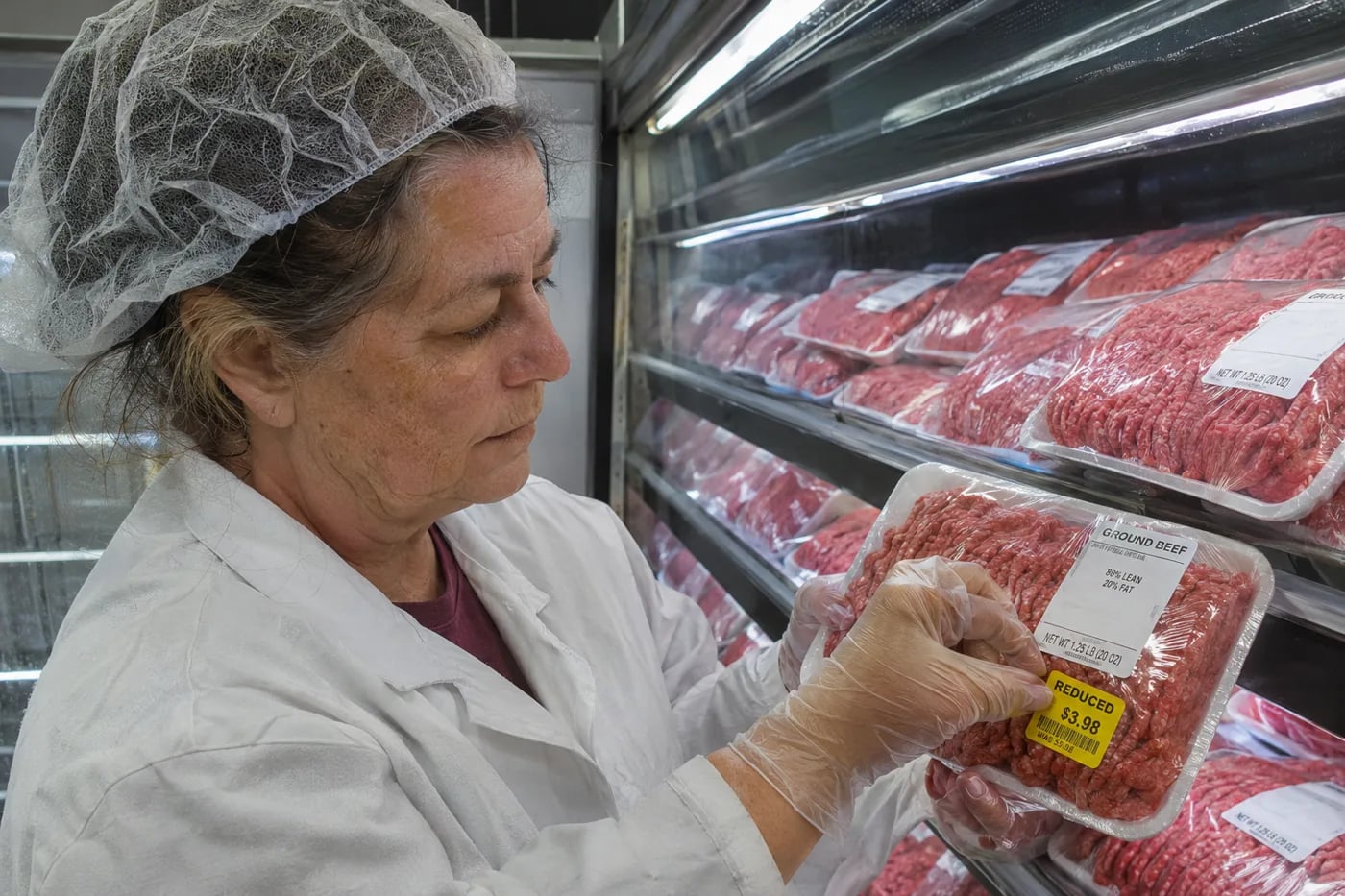
A pricing gun clicks somewhere behind the meat case. A worker in a white coat is peeling yellow stickers off a roll and pressing them onto the ground chuck you passed ten minutes ago at full price. She knew this was coming. You didn't.
Plenty of the things grocery store workers wish customers knew are like that. Nobody hides them. Nobody asks either. Asking turns out to be the cheapest thing you'll do in the store.
17The yellow sticker on marked-down meat
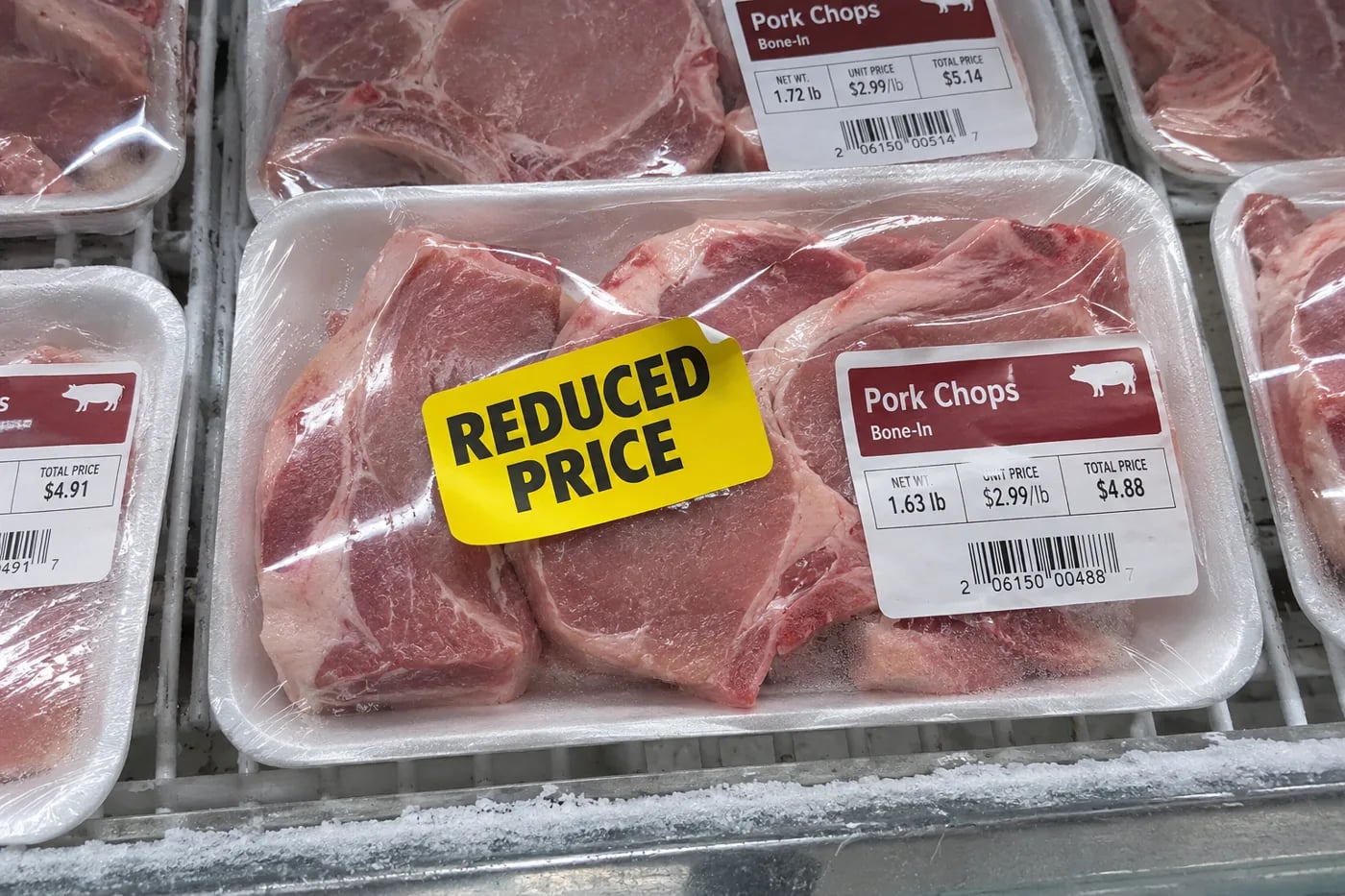
You've seen it slapped across a pork shoulder or a two-pound tray of ground beef, knocking a chunk off the price because the date is close. Shopping blogs put those meat markdowns at about 30 to 50% off. No chain we found publishes that range, so treat it as what shoppers find. It isn't a promise.
This year it matters more than usual. USDA figures show beef and veal prices were 3.5% higher in September 2026 than a year earlier. Take 30 to 50% off that and you're paying roughly 28 to 48% less than last September's regular price. One sticker more than wipes out a year of beef inflation.
Eggs went the other way and cost about a fifth less than a year earlier. Egg sales aren't worth a special trip.
The hard part is timing, and nobody can give you one answer. There's no national schedule, which is why ConsumerAffairs tells shoppers to ask the meat department what time of day it marks down packages near their sell-by date. Mike Cook, a recruiter who says he spent more than 35 years in grocery operations, says meat is often marked down early in the morning. Other shoppers swear by a certain weekday, or by the night the weekly ad changes and leftover sale meat gets cut.
A shopper on Reddit's r/Frugal offered the handiest shortcut: ask when the meat trucks come in, since that's often markdown day.
That's one shopper's rule of thumb, so test it at your store. Ask once, write the answer on your list, and show up that morning.
16The empty shelf under the sale sign
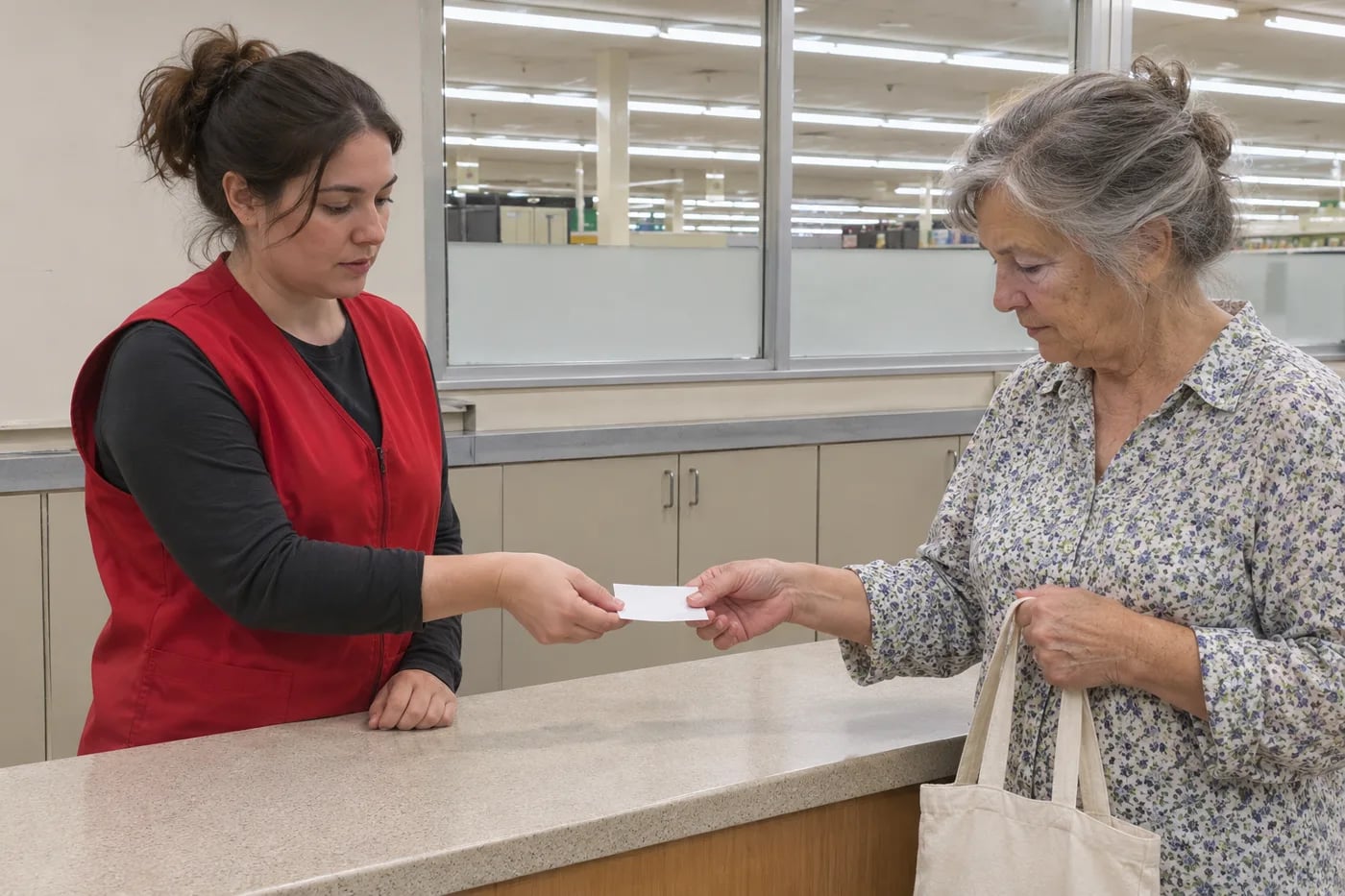
The weekly ad promised chicken thighs at a price worth the trip. The shelf is bare. The little tag is still there, advertising a price you can't have.
You can have it later. Go to the service desk and ask for a rain check, a slip that lets you buy the item at the sale price once it's back in stock.
Stores don't offer these out of kindness. A Federal Trade Commission rule says a food store can't advertise an item at a stated price unless it's in stock during the sale. The exception is an ad that clearly says supplies are limited or that the item is only at some stores. Offering a rain check, or a comparable product at the sale price, is one way a store that runs out stays on the right side of that rule. So it's a recognized fix. It isn't a right you can demand at every store.
Policies vary. Here are Publix's terms, as an example:
- Only for items advertised at a reduced price outside the store, such as the weekly ad, TV, radio or the website
- Up to 8 single items or 4 deals, and no more than 20 items in all
- One per household per day per item or deal
- Use it within 30 days, and no rain checks on alcohol
Kroger has said its rain check policy is up to the local store. So you just ask. As one r/povertyfinance shopper put it, a rain check lets you get the item at the sale price once it's back in stock.
Before you head over, check the ad's fine print for "while supplies last" or "limited quantities." If it's there, the store doesn't owe you anything.
15The meat counter cuts it your way
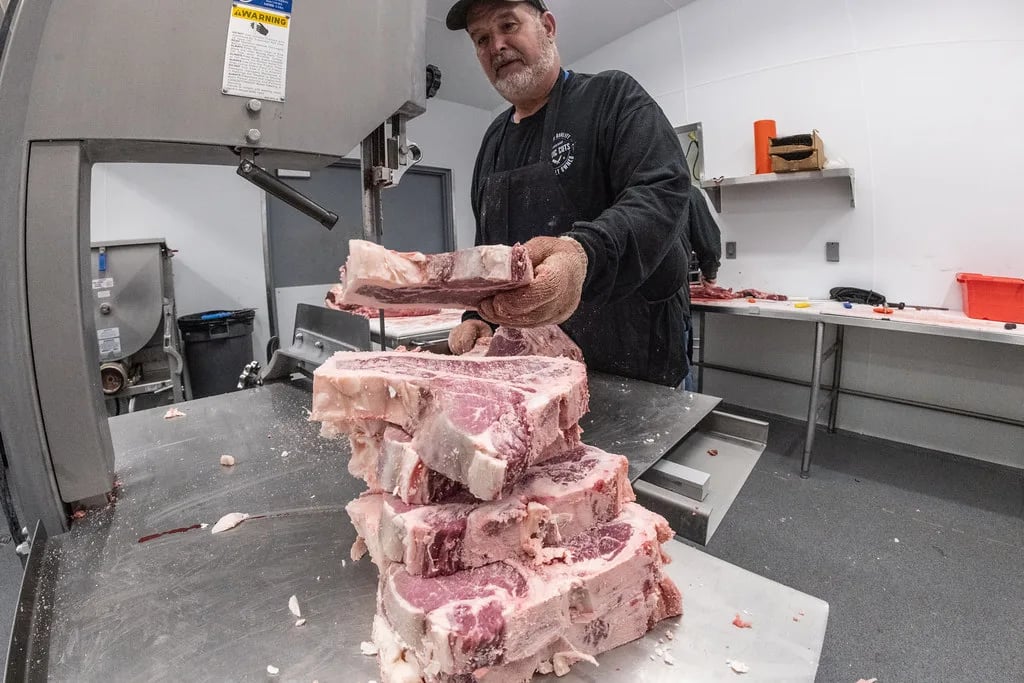
The pork loin in the case weighs four pounds. You want two thick chops. Most people buy the whole thing or walk away. There's a third option, which is to catch the eye of the person behind the glass and ask.
"We get these sorts of requests all the time."
That's Mike Desmarais, meat department assistant manager at a Market Basket in Johnston, R.I., speaking to America's Test Kitchen. The meat manager at the same store, Maureen Sikie, said her staff will cut whole birds into parts, make party wings or debone pieces.
Kevin Fruth, head butcher at Goose the Market in Indianapolis, has a short list of what to ask about: "alternatives to different cuts, portioning and packaging, and special orders." That middle part is the money saver if you cook for one or two. You can ask for half the tray instead of paying for meat you'll end up tossing.
There are two catches. This works only at a full-service counter with a person behind it, and not every store has one. And no chain we found promises the cutting is free, so ask about a charge before the knife comes out. "Can you cut this into four portions, and is there any extra cost?" covers both.
14The dented can on the discount rack
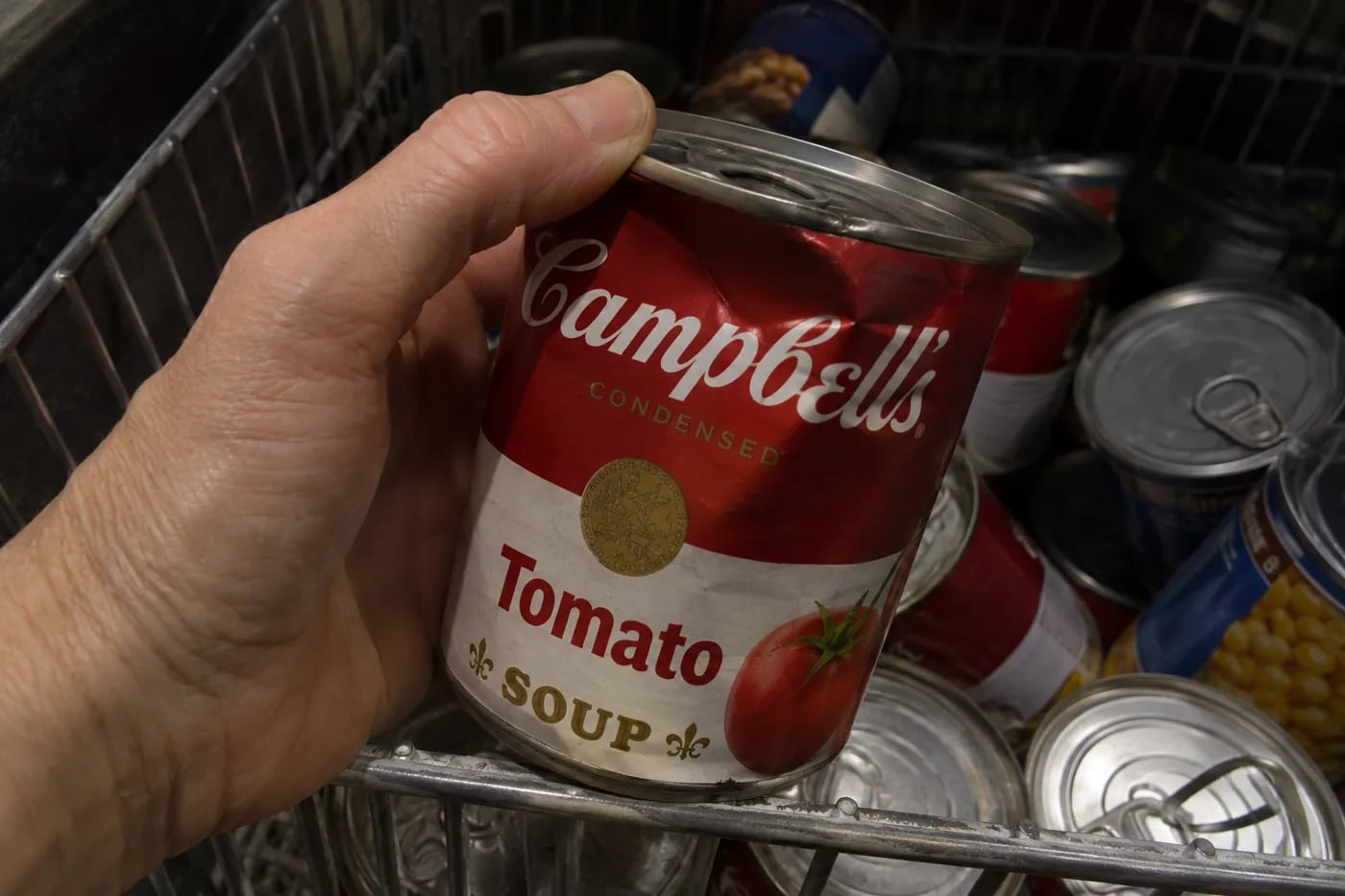
Some stores put dented cans on a clearance shelf or cart at a lower price. Most are a fine deal. A few aren't safe to eat from, and the check takes two seconds. This is USDA guidance, as passed along by University of Nebraska-Lincoln Extension:
- A small dent on a can that's otherwise in good shape: the food should be safe.
- A dent deep enough to lay your finger into: leave it.
- A deep dent on any seam: leave it.
- Bulging, rusted or leaking: don't buy it at all, no test needed.
Turn the can over once and look at the rims and the side seam. That's the whole inspection.
13The grape you ate before the scale
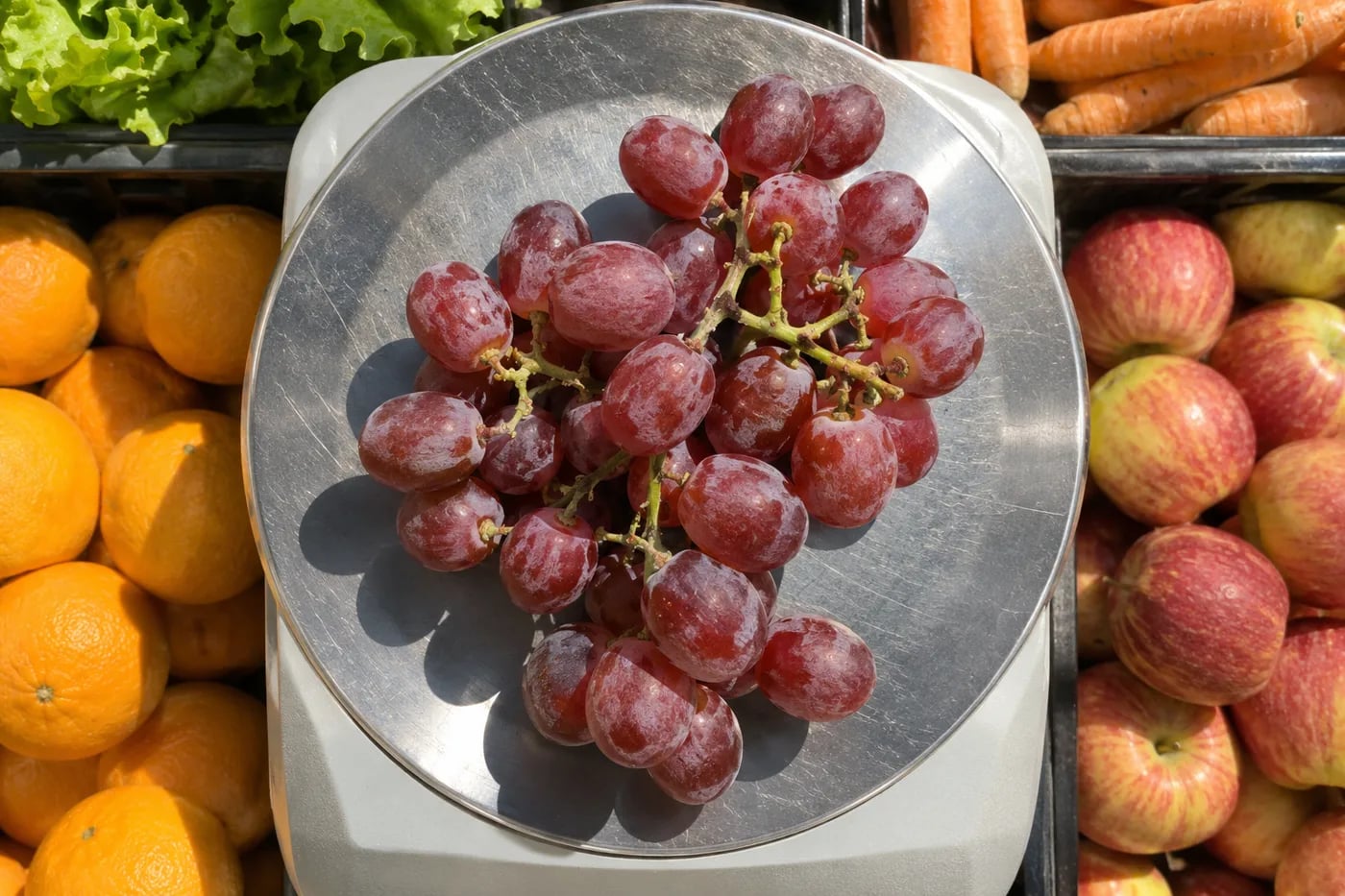
Workers notice. A former cashier on a workers' Reddit thread points out that produce sold by weight can't be rung up once it's been eaten. Fair enough: the price gets set at the scale, and nobody can weigh a grape that's already gone.
The scale tip that's worth knowing points the other way and protects you. Missouri's weights and measures inspectors certify commercial scales every year and put an approval seal on the ones that pass. In Florida, if a scale has no valid seal, the state agriculture department says you can report it and an inspector can be sent to test it. The advice Missouri passes on to shoppers comes from the national weights and measures group: "Make sure the scale shows a zero before anything is weighed. Pay only for the product, not for the packaging."
So glance at the display before your bag of peppers lands on it. If it doesn't read zero, say so.
12The sell-by date on a pack of chicken
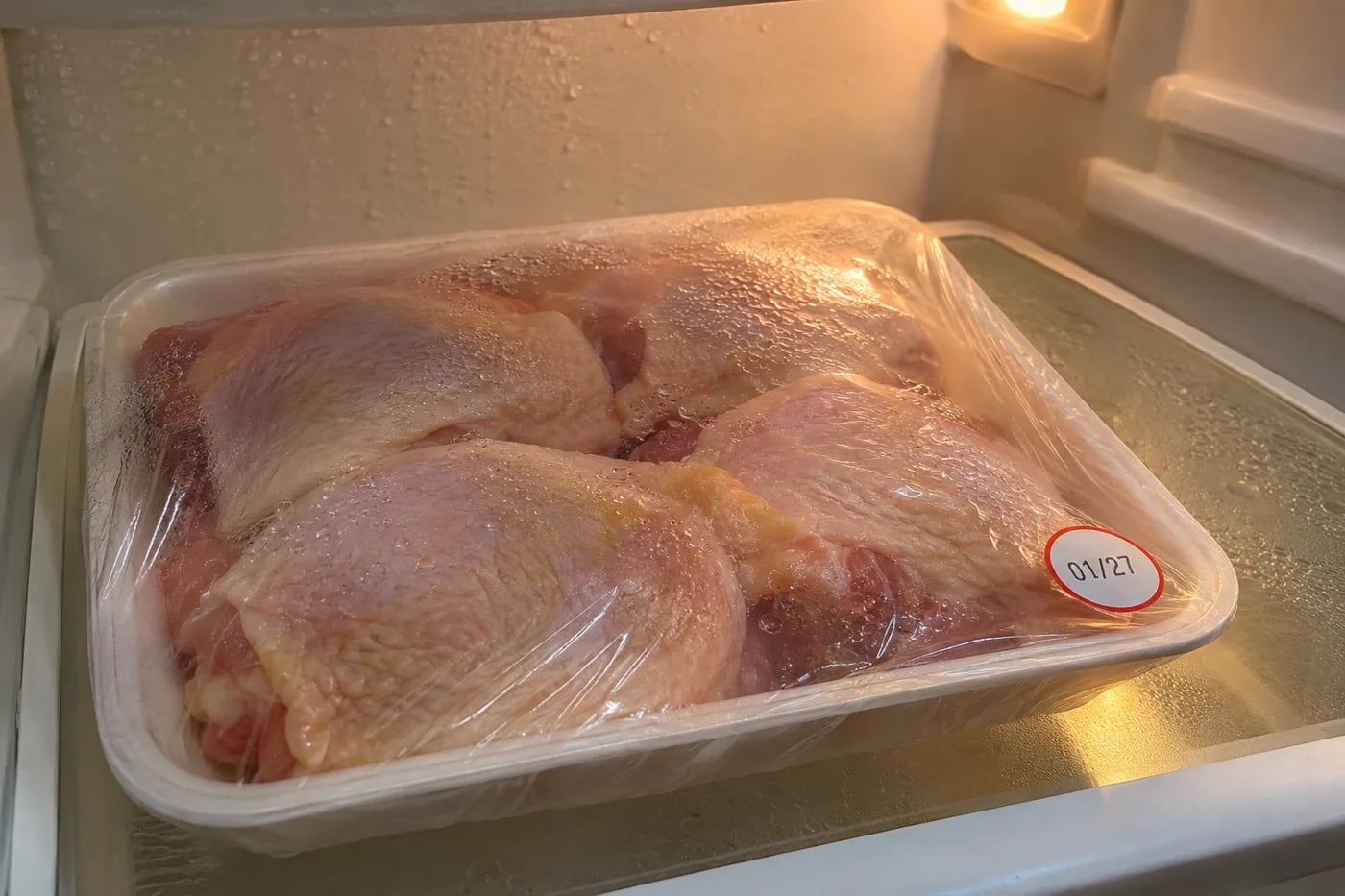
The chicken thighs in your fridge passed their sell-by date yesterday, and you feel the urge to throw them out. Hold off.
A sell-by date is meant for the store. USDA's food safety agency says it tells the store how long to display the product. It has nothing to do with safety. In fact, federal rules don't require dates on food at all, except on infant formula.
What counts is how long you've had the meat. If it has a sell-by date, or no date at all, USDA says to cook or freeze it within:
- 1 to 2 days of buying it for poultry and ground meat
- 3 to 5 days for beef, veal, pork and lamb
If something has spoiled, toss it, whatever the label says.
This is also why the markdown bin in #17 is less of a gamble than it looks. Buy the near-date ground beef and have it in the pan or the freezer by tomorrow.
11The fresh bread that started out frozen

That warm loaf in the paper bag with the little window may have spent most of its life in a freezer. Bakery suppliers such as La Brea Bakery make breads that are baked about 80% of the way, flash-frozen and then finished with a 10 to 20 minute bake in the store. That's called par-baked, which just means partly baked.
That's how a store can pull warm bread out of an oven at any hour. It isn't a scam.
It does change what the sign means. "Baked here" tells you where the last few minutes happened. If you pay more for the bakery loaf because you picture someone shaping it by hand at dawn, you may be paying mostly for the smell. If warm is what you're paying for, ask the counter when the next tray comes out and buy that one.
10The $4.99 rotisserie chicken at Costco
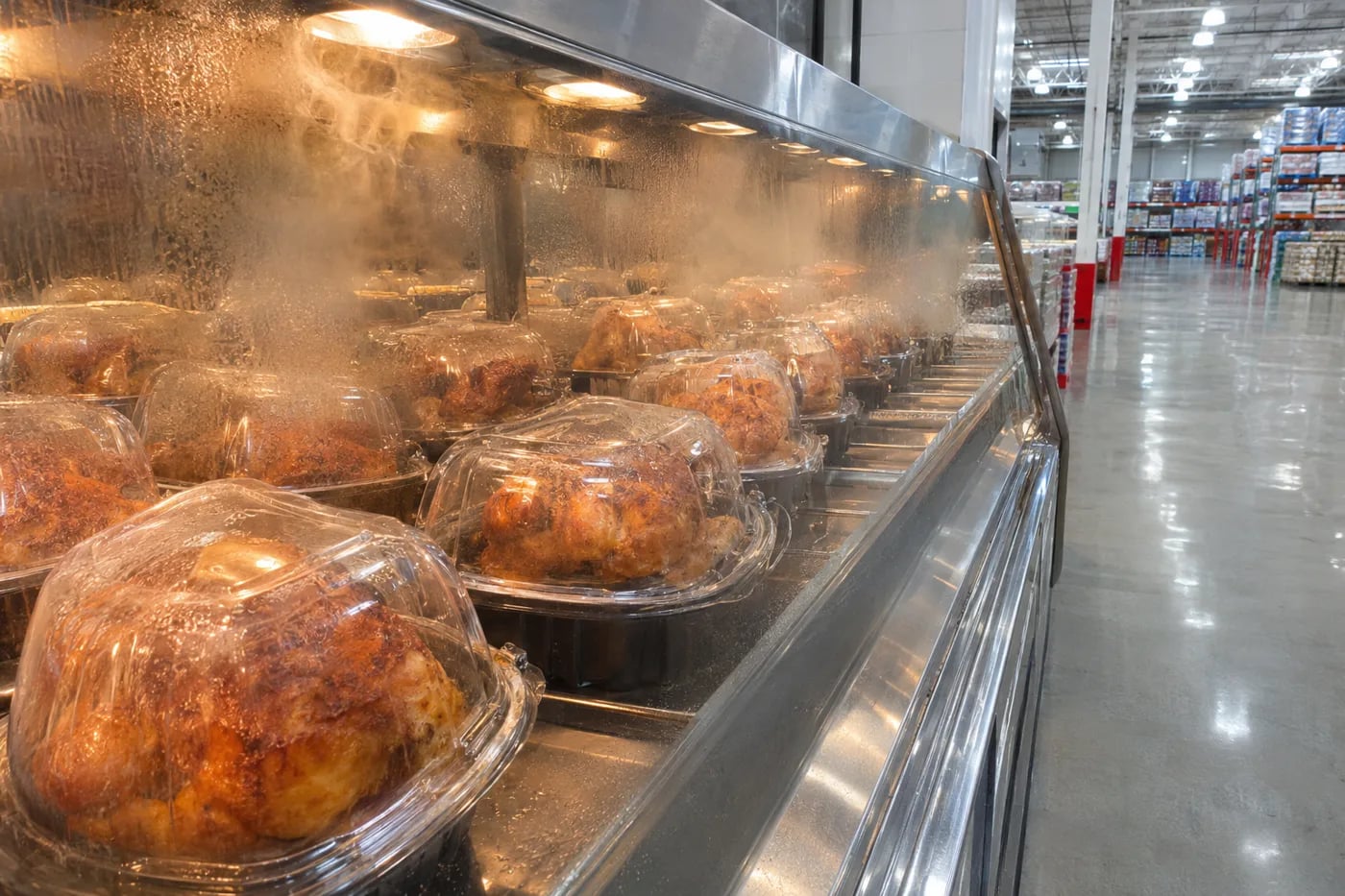
A whole chicken, cooked, packed in a plastic dome and still hot, for $4.99. How?
The chicken isn't there to make money. In 2015, Costco's finance chief at the time, Richard Galanti, said the company was willing to "eat, if you will, $30 to $40 million a year in gross margin" to keep the bird at $4.99. That's a loss leader, a product priced to get you in the door instead of to earn a profit by itself.
It works. Costco sold over 157 million rotisserie chickens in its 2025 fiscal year. Its current finance chief, Gary Millerchip, lumped the chicken in with the "everyday value items" that matter "especially in times of economic uncertainty."
We found no newer written pledge to keep the chicken at that price, so check the tag before you plan a trip around it. If you're not already a member, Costco's basic Gold Star membership costs $65 a year.
Our honest take: this is one of the few things in a big store where the store, and not you, takes the loss. If you already shop there, picking up the chicken and heading straight to the register is exactly the trip the company hopes you won't make.
9The tiny price per ounce on the shelf tag
Two jars of peanut butter, two sizes, two prices, and a math problem nobody wants to do in aisle six. The answer is usually already on the shelf tag. It's the unit price, meaning the cost per ounce, per pound or per count.
When that number is there, most people use it. Purdue researchers found that 82% of shoppers use unit pricing when it's available, according to NIST, the federal agency that sets measurement standards.
The key words there are "when it's available." Only nine states require stores to show it:
- Connecticut, Maryland, Massachusetts, New Hampshire, New Jersey, New York, Oregon, Rhode Island and Vermont
- Puerto Rico and the U.S. Virgin Islands also require it
Everywhere else, the store decides. If your store's tags leave it off, divide the price by the ounces on the label, on a phone or on the back of your list. Write down the winner. It goes straight into the price book in #6.
8Your rewards card is taking notes
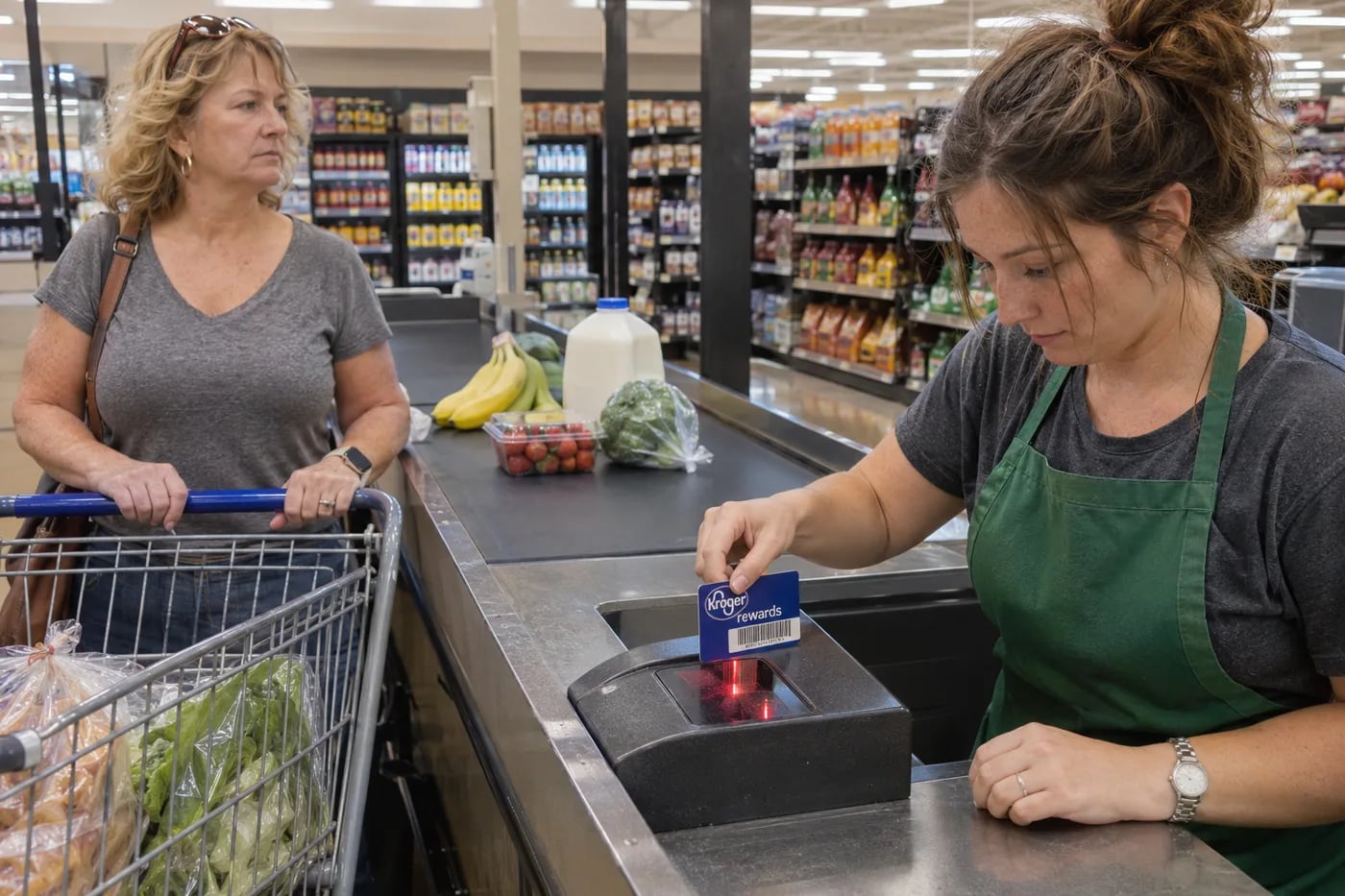
Each time the cashier scans your rewards card, or you punch in your phone number, the store records what you bought. That's the deal you signed up for: you get the card prices and they get your shopping history.
Kroger's privacy policy says so plainly. Kroger's own data company, 84.51°, uses your information to "select and personalize coupons, promotions, and other discounts or offers, based on what you buy." That explains why the offers you get can look oddly familiar.
If you'd rather they didn't, you can opt out:
- Online, sign in to your account and go to Preferences.
- Or call 1-800-KROGERS and ask a person to do it.
Before you do, remember that those offers are built on your history, so turning off the tailoring can mean fewer offers aimed at what you actually buy. That's a trade only you can weigh. Other chains run their own programs under their own rules, and the place to read them is the privacy policy on the store's website.
7A senior discount day you're missing

On the first Tuesday of every month, Fred Meyer shoppers 55 and older can get an extra 10% off select items. First you show a photo ID at customer service to add the discount to a free Fred Meyer Rewards account. After that one visit, the discount applies automatically in store and on pickup or delivery orders.
Read "select" carefully. The discount covers the chain's own private-brand groceries. It leaves out by-the-pound meat, produce, deli, bakery and alcohol, among other things. In practice it's a store-brand stock-up day, a good time for the canned and boxed goods you already buy under the store's label. The next one falls on Dec. 1, 2026.
If you shop somewhere else, don't trust a list you find online. The lists we found for other chains contradicted each other, and the chains' own pages didn't back them up. Ask at the service desk instead: "Do you have a senior day, and what does it cover?"
6Keeping a price book for loss leaders
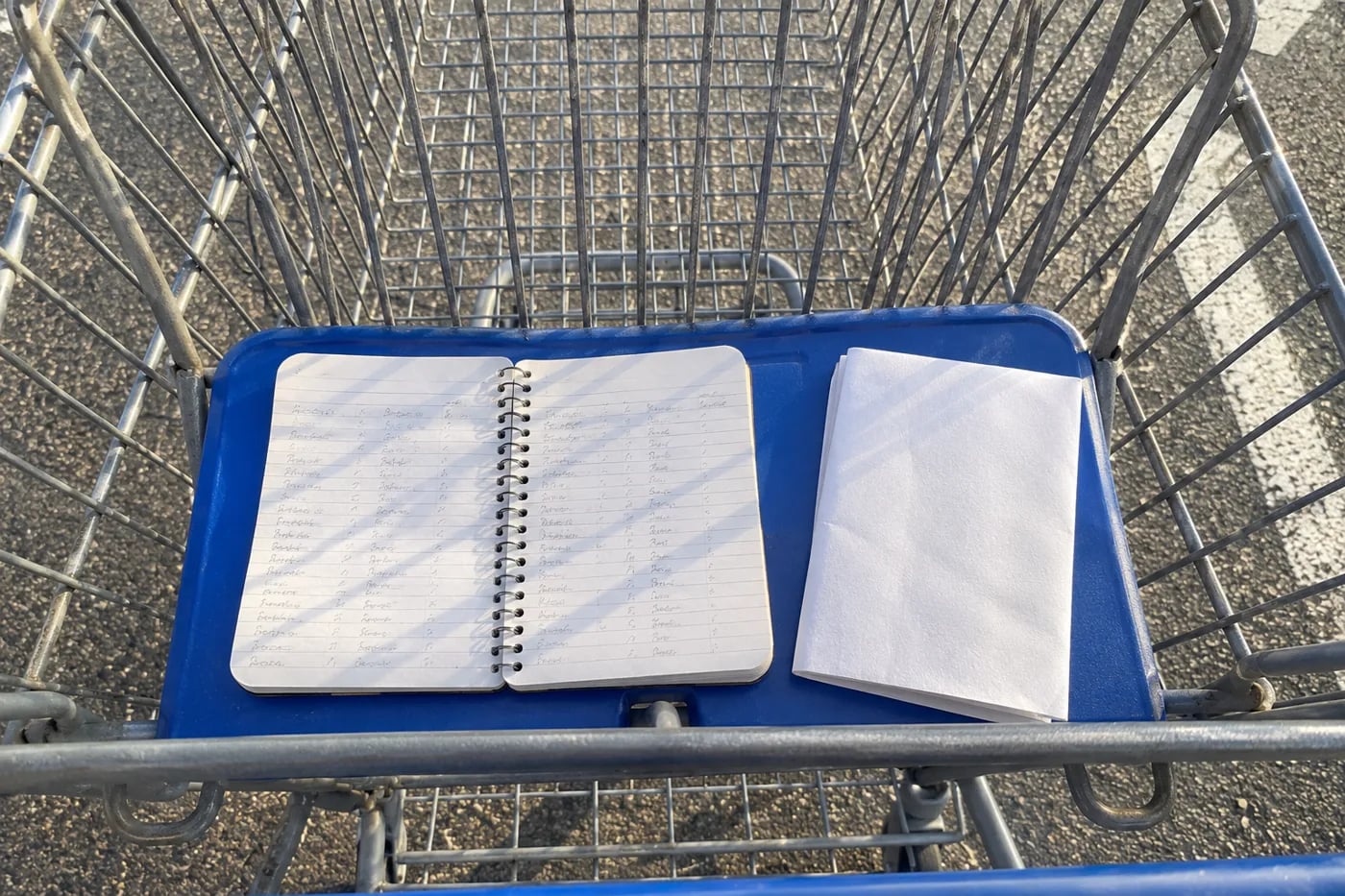
A sale sign is the store's opinion about a price. A price book is yours.
It's a small notebook, or a note on your phone, where you write down what your usual items cost and how low they drop on sale. After a few weeks a pattern shows up. Stores price some staples below what they paid, the same loss-leader trick as the Costco chicken. Then they count on you to fill the cart with things that do make money. Economist Justin Johnson's research, summarized by the American Economic Association, explains how that works. He even argues that banning the practice could leave shoppers worse off.
You can't stop the trick, but you can use it. Shoppers on Reddit's money threads describe planning whole trips around the weekly ad's lowest prices. One price-book keeper on r/povertyfinance says loss-leader items cycle back every few weeks, which is the time to stock up.
How much should you buy? Rachel Krych, a coupon teacher in Northeast Ohio with more than 10 years of couponing behind her, says a sale tends to come back around within four to six weeks. So buy enough toothpaste to get you to the next sale, not 40 tubes.
5Store brand versus name brand, tested blind
Is the cheaper can really just as good? About half the time. In 2012, Consumer Reports ran blind taste tests on 19 pairs of store-brand and name-brand groceries. Here's how they came out:
| Result | Pairs |
|---|---|
| Tie | 10 |
| Name brand won | 8 |
| Store brand won | 1 |
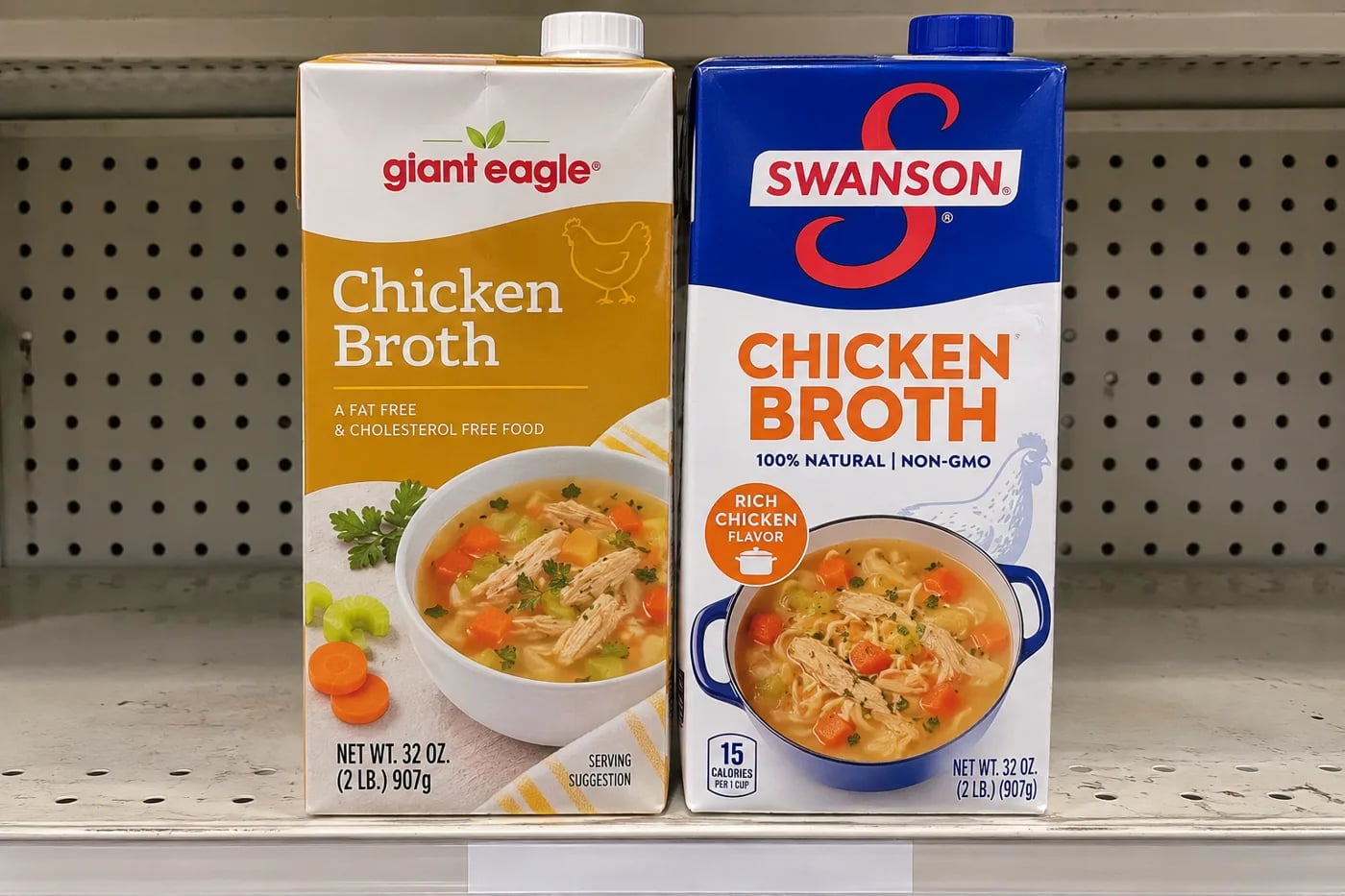
The one store-brand win was Giant Eagle chicken broth, which beat Swanson. Savings on the store brands ran from 5% to 60%.
That means 11 of the 19 store brands tied or won while costing less. The name brand still won 8 times, so anyone who tells you they're all identical is overselling it.
Part of the reason for all those ties is that big national-brand companies are among the makers of store brands. They put their know-how and spare factory space to work, according to the Private Label Manufacturers Association, the industry's trade group. The group says shoppers save a third or more by switching, about $35 billion in 2025. It's a trade group, so keep a little salt handy. Store brands reached a record $282.8 billion in U.S. sales that year.
The practical move is to switch one item at a time, starting with what you buy most, and keep whatever passes your own taste test. Saving 5% on something you end up not eating saves you nothing.
4Digital coupons locked inside the store app
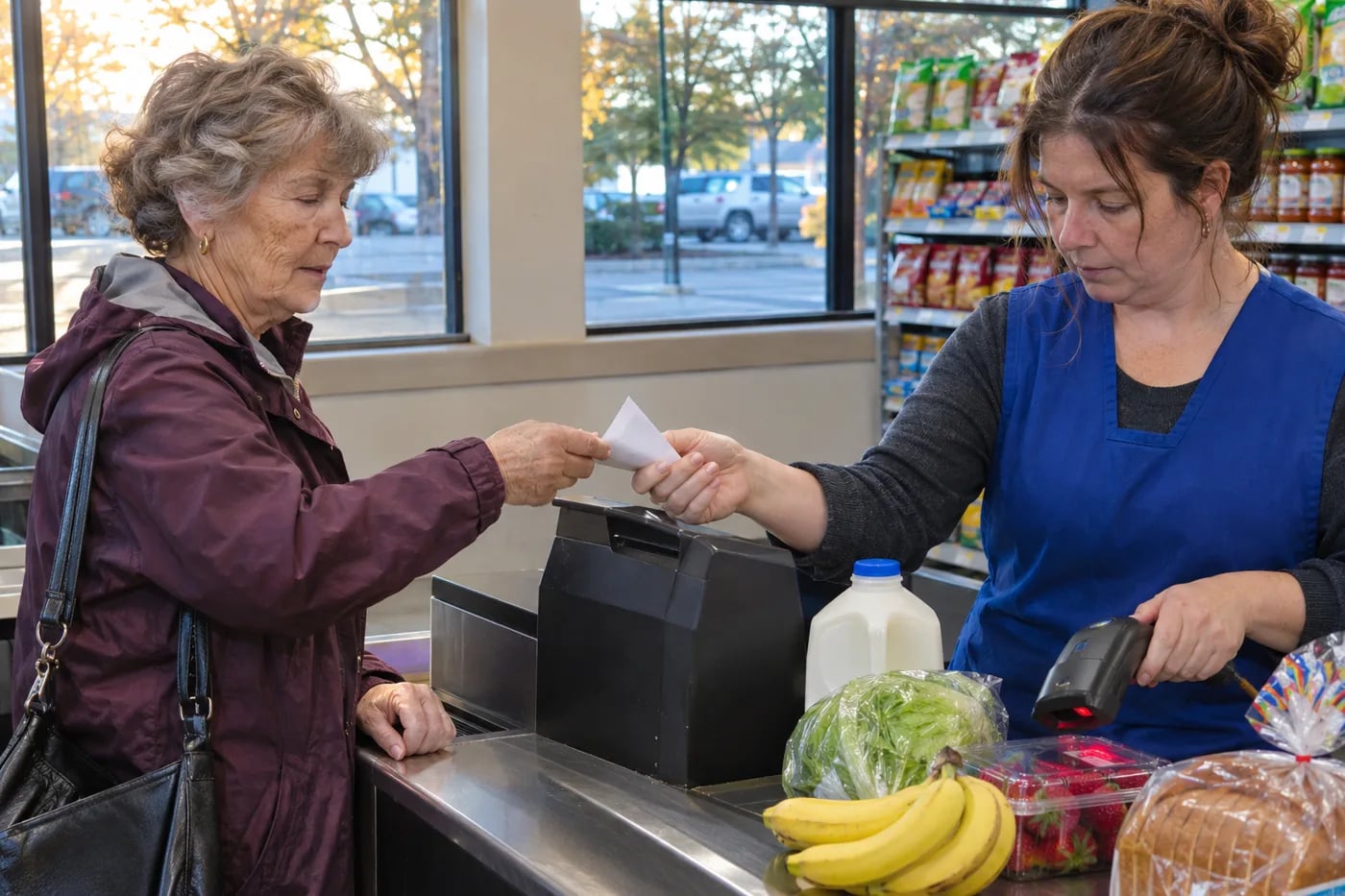
If you've ever watched the person ahead of you knock dollars off their total by tapping a phone and felt shut out, Kroger's own CEO agrees with you.
On a September 2025 earnings call, CEO Ron Sargent said customers "who don't have a $600 iPhone" were being "disenfranchised by digital coupons," and Kroger brought paper coupons back. Its finance chief, David Kennerley, added that "the benefits of paper coupons are measurable in terms of increases in unit sales and positive feedback."
Lawmakers noticed. In 2026, Illinois Gov. JB Pritzker signed a law meant to make digital-only grocery deals available to shoppers who aren't online. A New Jersey bill, S2131, would let shoppers get paper coupons, use a kiosk, or ask for the discounted price at checkout. It was still pending in late 2026.
If you have a smartphone, the store app earns its five minutes. As a WKYC savings segment with Rachel Krych points out, nearly every chain has one now, you can clip coupons while standing in the aisle, and the discount comes off at the register.
If you don't have one, go to the service desk and ask whether there are paper coupons or an in-store way to get the app price. In Illinois, also ask how the store is handling the new law.
3A refund for your bad grocery pickup order
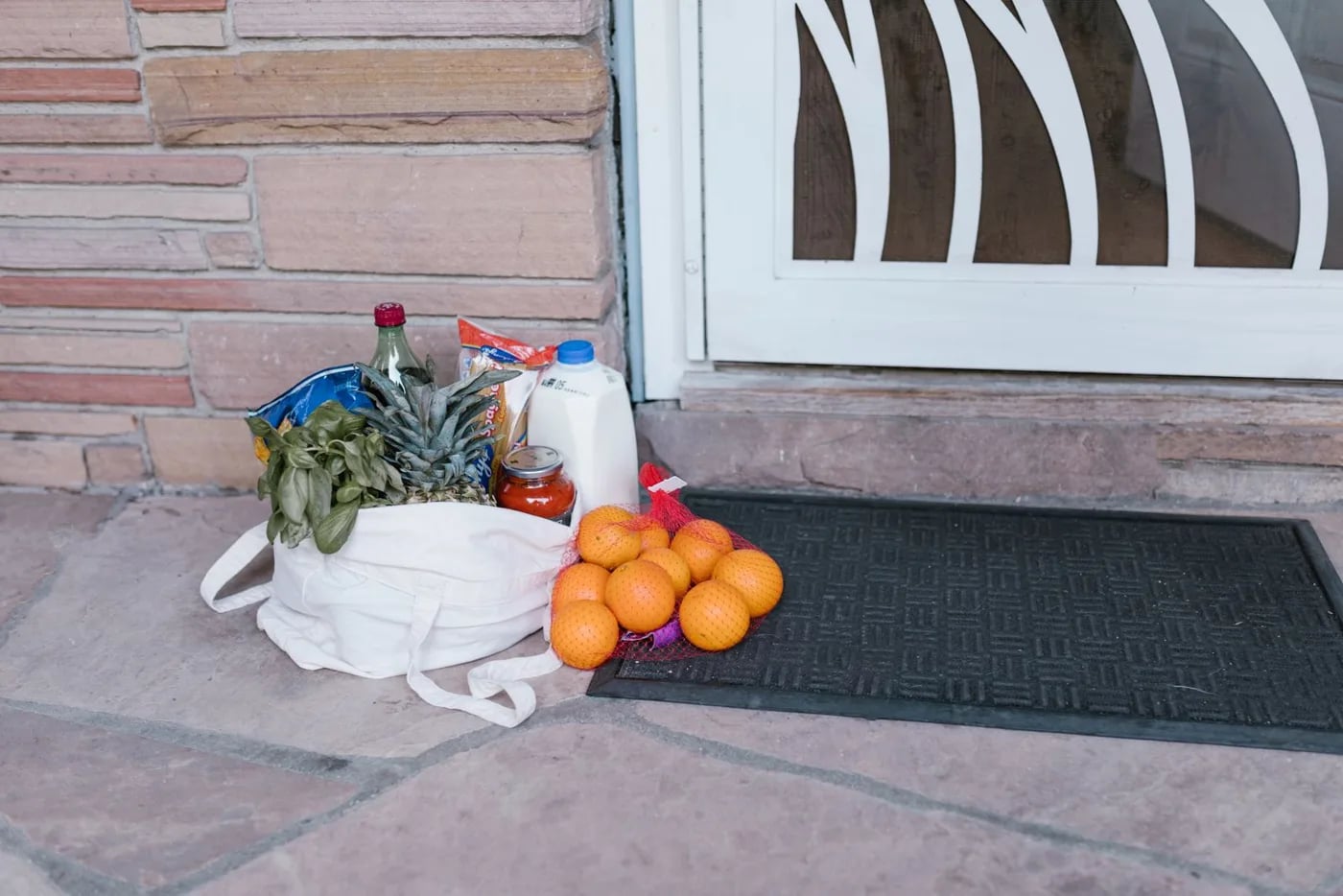
The bags come out of the trunk, or off the doorstep, and there it is: a clamshell of strawberries already going soft, and an avocado you could pour. You didn't pick them, so you shouldn't have to pay for them.
Instacart gives you up to three days after pickup or delivery to report "expired, damaged, or spoiled items." It may refund or credit you up to what you paid for the item. Three days is the deadline, so unpack and check the order the day it arrives, not the weekend after.
For plenty of shoppers, pickup and delivery are how the groceries get home at all. In a Reddit thread about online order pickers, commenters said they shop this way because of illness, surgery, disability, age, no car or no childcare. They also said a bag of bad produce hurts most when you're already stretched.
Ordering online can also keep the cart in check. A Cornell study of nearly 2 million shopping trips found that Instacart baskets held up to 7% fewer impulse buys, like candy, baked goods and chips, than carts filled in the store. Rachel Krych told WKYC that ordering ahead "also cuts down on you going in and buying all this extra stuff." A separate 2021 study found online pickup orders were 44% larger per transaction than in-store trips, though, so it isn't a guaranteed saving.
If you order through a store's own website, its refund rules may be different. Look up the deadline before you need it.
2The enormous markup on pre-cut produce
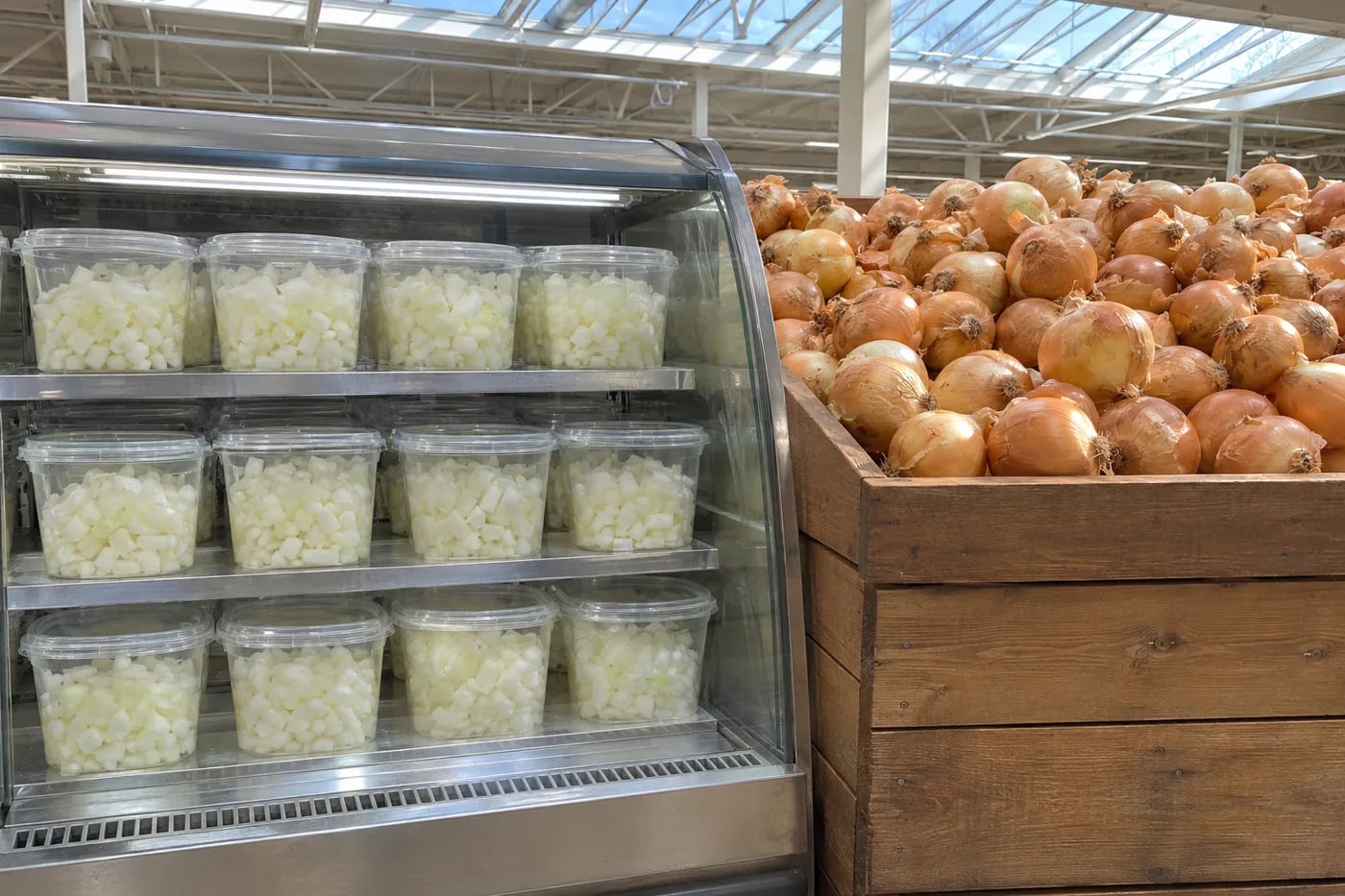
The tub of diced onions next to the bin of whole ones looks like a small favor. It's priced like a luxury. When ShopSmart, a Consumer Reports magazine, compared national per-pound averages in June 2015, pre-cut onions cost 370% more than whole ones. That's nearly five times the price for a few minutes of chopping.
The last line is the surprise. Pre-cut broccoli florets cost less than the whole heads, so that's the one place convenience came free. ShopSmart's editor, Lisa Lee Freeman, was blunt about the rest: "Unless you are really strapped for time, there's little reason to pay enormous premiums…"
Those prices are from 2015, so compare today's tags yourself. Put the tub of florets next to a head of broccoli and read the per-pound price on both shelf tags.
1A free item when the scanner's wrong
The shelf tag said $3.49. The register said $3.99. Most people shrug, or never notice.
In two states, that 50 cents can turn into money in your pocket.
Connecticut: If a consumer commodity, something that gets used up and replaced like toothpaste, bread or shampoo, scans higher at checkout than the sticker price, you're entitled to the item free, up to $20. Durable goods such as a broom aren't covered. The catch is timing. You have to point out the error at checkout and ask for the free item. Once you're out the door, it's just an overcharge.
Michigan: If you're overcharged, you get the difference back. The state's scanner law also sets a bonus of 10 times the difference, at least $1 and no more than $5, which the store can pay within two days of your telling it. A store that doesn't make it right can be sued for $250 or your actual damages. On that 50-cent overcharge, the bonus comes to the full $5.
Outside those two states, some chains have their own policy. ShopRite's ScanRite policy gives you one item free, up to $10, when it rings up higher than the shelf price. Without a law or a store policy, anything extra is up to the store. Florida's agriculture department warns that a store there is under no legal obligation to give you the item free or at a discount.
How often do prices ring up wrong? A 1998 study by the FTC and NIST checked 1,033 stores in 36 states and found about 1 in 30 items mispriced. That's an old count. It's reason enough to watch the screen instead of digging in your purse.
What to say, word for word: "This rang up higher than the shelf price. Can you check it?" In Connecticut, add: "I'd like it free under the state law."
The bottom line
None of this is a secret. Answering these questions is part of the job for the people in aprons. Asking costs them nothing and costs you nothing.
Choose one question for your next trip. The meat counter question pays off fastest: "When do you usually mark things down?"
Then try a small test on yourself. Name the regular price of three things you buy every week. If you can't, those three go on the first page of your price book.
Up next
16 Things Black Friday Antivirus and VPN Deals Won't Tell You Before You Buy
Before you click "Get the deal," here is what Windows already gives you free, what a $49.99 Norton price tag turns into next year, and how to pay without getting burned.
Read the list →
Bonus: Four more moves for your next trip
- Go back in the evening for bakery and produce. Mike Cook says those departments often cut prices before closing, while meat tends to go in the morning.
- Tell the counter what you're cooking. Store workers on Reddit describe customers asking for "chicken legs" when they meant drumsticks, and "tahini" when they meant a chili-lime seasoning. Saying what it was for got them to the right item.
- Save a month of receipts and split them into piles: food, restaurants, toiletries, kitchen gear. People in Reddit budgeting threads say lumping it all in as "groceries" hides where the money really goes.
- Look one shelf down before you grab. National Geographic noted that the priciest items generally sit at eye level, with generic brands lower down.
Questions people also ask
When do grocery stores mark down meat?
There's no single schedule, because each store sets its own. Shoppers and a longtime grocery operations recruiter often report early-morning meat markdowns, but the reliable way to find out is to ask your store's meat department what time it usually marks down packages near their sell-by date. Some shoppers also ask what day the meat truck arrives.
Is store brand as good as name brand?
Often, but not always. In Consumer Reports' 2012 blind taste tests of 19 pairs, 10 tied, the name brand won 8 and the store brand won 1, with the store brands costing 5% to 60% less. Try switching the items you buy most and keep the ones you like.
What is a rain check at the grocery store?
A rain check is a slip that lets you buy a sold-out sale item at its advertised price once it's back in stock. Under a Federal Trade Commission rule, it's one way a store that runs out of an advertised item can comply, but it isn't required in every case and policies vary by chain and store. Ask at the service desk, and check whether the ad said supplies were limited.
Can I ask the butcher to cut meat into smaller portions?
Yes, at many stores with a full-service meat counter. Mike Desmarais, a meat department assistant manager at a Market Basket in Johnston, R.I., told America's Test Kitchen, "We get these sorts of requests all the time." The store's meat manager, Maureen Sikie, said staff will cut whole birds into parts and debone pieces. No chain we found promises the service is free, so ask about any charge before they start.
Is it safe to eat meat past the sell-by date?
It can be, because a sell-by date only tells the store how long to display the meat and doesn't mark when it stops being safe. USDA says to cook or freeze poultry and ground meat within 1 to 2 days of buying it, and beef, veal, pork and lamb within 3 to 5 days. Throw out anything that has spoiled, whatever the date.
Can I get a refund if my grocery pickup order has bad produce?
Usually, if you report it quickly. Instacart gives you up to three days after pickup or delivery to report expired, damaged or spoiled items, and it may refund or credit up to what you paid. Stores that run their own pickup set their own rules, so check the deadline before you order.
Did any of these feel familiar?
Know someone who needs this?
Sources cited in this article
This article links to 37 outside sources, listed here so you can read them yourself.
- Meat markdowns at about 30 to 50% off dealdiary.blog/grocery-markdown-times
- Beef and veal prices were 3.5% higher www.ers.usda.gov/data-products/food-price-outlook/summary-findings
- Ask the meat department what time of day www.consumeraffairs.com/news/beef-prices-are-soaring-but-falling-wholesale-p…
- Often marked down early in the morning www.frontlinesourcegroup.com/blog-secret-ways-grocery-store-managers-help-yo…
- Ask when the meat trucks come in www.reddit.com/comments/1tzdxz1
- Publix's terms www.publix.com/pages/policies/rain-check-policy
- Up to the local store x.com/kroger/status/1531799225645793281
- Lets you get the item at the sale price once it's back in stock www.reddit.com/comments/1mf8s2a
- America's Test Kitchen www.americastestkitchen.com/articles/8090-grocery-store-tips
- A short list of what to ask about feastandfield.net/read/meat-and-seafood/butcher-talk-how-to-order-at-the-mea…
- As passed along by University of Nebraska-Lincoln Extension food.unl.edu/article/food-still-safe-eat-frequently-asked-questions
- Workers' Reddit thread www.reddit.com/comments/1xhejh0
- Certify commercial scales every year agriculture.mo.gov/weights/device/scales.php
- An inspector can be sent to test it www.fdacs.gov/Consumer-Resources/Consumer-Rights-and-Responsibilities/Weight…
- Tells the store how long to display the product www.fsis.usda.gov/food-safety/safe-food-handling-and-preparation/food-safety…
- Willing to "eat, if you will, $30 to $40 million a year in gross margin" fortune.com/2015/05/29/costco-chicken-prices
- Over 157 million rotisserie chickens www.investing.com/news/transcripts/earnings-call-transcript-costco-q4-2025-b…
- $65 a year www.costco.com/gold-star-membership---new-member.product.3164.html
- 82% of shoppers use unit pricing when it's available www.nist.gov/programs-projects/uniform-unit-pricing-tools-consumers-fight-sh…
- "select and personalize coupons, promotions, and other discounts or offers, based on what you buy." www.kroger.com/i/privacy-policy
- Summarized by the American Economic Association www.aeaweb.org/research/loss-leading-bans-retail-competition
- Come back around within four to six weeks www.cleveland19.com/story/30509004/couponing-with-rachel-pt-1-2
- Blind taste tests on 19 pairs www.consumerreports.org/media-room/press-releases/2012/08/eleven-store-brand…
- Private Label Manufacturers Association plma.com/about_industry/store_brand_facts
- $282.8 billion in U.S. sales www.plma.com/article/us-private-label-industry-reached-2828-billion-sales-2025
- Customers "who don't have a $600 iPhone" www.pymnts.com/news/retail/2025/kroger-says-paper-coupons-boost-customer-sat…
- Signed a law couponsinthenews.com/2026/06/29/millions-could-gain-or-lose-access-to-digita…
- WKYC savings segment with Rachel Krych www.youtube.com/watch?v=GwBx0B4RvFg
- Instacart gives you up to three days www.instacart.com/help/section/360007797992
- Reddit thread about online order pickers www.reddit.com/comments/1ttd5id
- Up to 7% fewer impulse buys news.cornell.edu/stories/2023/10/online-grocery-baskets-less-varied-store-ca…
- National per-pound averages www.prweb.com/releases/2015/05/prweb12725867.htm
- You're entitled to the item free, up to $20 portal.ct.gov/DCP/Common-Elements/Common-Elements/The-Get-One-Free-Law
- Bonus of 10 times the difference www.michigan.gov/ag/consumer-protection/consumer-alerts/consumer-alerts/shop…
- One item free, up to $10 www.shoprite.com/scanrite-policy
- Lumping it all in as "groceries" www.reddit.com/comments/1xwef8h
- Priciest items generally sit at eye level www.nationalgeographic.com/culture/article/surviving-the-sneaky-psychology-o…

Jheremy Raquel (JR) Agabao
Editor
JR Agabao edits PennySaver USA. With a working background in bookkeeping and HR, she checks the prices, rules and fine print in every guide before it reaches readers.
More from Jheremy Raquel (JR) Agabao
16 Things Black Friday Antivirus and VPN Deals Won't Tell You Before You Buy
22 min read
Most read
- 115 Bank and Card Fees Worth One Phone Call to Get Waived
- 215 Things to Know About the Best Bank Account Bonuses That Can Beat a Black Friday Sale
- 316 Things Black Friday Antivirus and VPN Deals Won't Tell You Before You Buy
- 412 Places to Keep Your Savings Other Than a Big-Bank Account, and the Catch With Each