



17 Grocery Store Habits to Stop Right Now
Seventeen grocery shopping mistakes that quietly pad your bill, priced in real dollars, plus the USDA number to check your own cart against.

By Jheremy Raquel (JR) Agabao, Editor
Updated · 19 min read
- Written by our editor
- Cited 43 sources
- How we review
#1 is the one number no grocery store will ever print on your receipt.
The total pops up on the little screen at the register, and you do what everyone does. You run your eyes down the receipt looking for the one item that explains it. The steak? The good coffee? Usually there isn't one. A big grocery bill is built from small habits, the same ones week after week, and most grocery shopping mistakes look small on their own. That's good news. You can save money on groceries by dropping a few of them, without spending your Sunday clipping coupons.
17Leaving the house with no dinner plan

It's 5:15, the fridge offers half an onion and a yogurt, and the drive-through suddenly sounds very reasonable.
That moment may be the costliest habit of all, and it happens before you reach the store. In 2025 the average American household spent $6,491 on groceries and $4,142 on food away from home, according to the government's annual spending survey. That's 39 cents of every food dollar going to someone else's kitchen. Per month it comes to about $345 eating out against about $541 at the store.
Those are averages across every size and age of household, so yours may look nothing like it. One detail is worth noticing, though. Spending on eating out grew faster than spending on groceries that year, 5.0% against 4.3%.
Rachel Krych runs the site Couponing with Rachel and teaches coupon classes in Northeast Ohio. When a TV reporter asked her about mistakes, she named one of the biggest: not knowing what you're going to make for dinner, which often ends in fast food.
The fix is smaller than it sounds. A meal plan doesn't have to be a color-coded chart. It can be three dinners you'd actually eat, written on the back of an envelope, with the ingredients listed underneath. On the nights nothing's planned, you fall back on the freezer, not the car keys.
16Walking the aisles without a written list

Supermarkets love telling you that most of what you buy is impulse. When researchers actually tracked it, that turned out to be a story the industry told itself.
A Wharton team followed 2,945 supermarket shoppers in the Netherlands and logged 18,000 purchases. Unplanned buying came to about 20%, not the 60% to 70% the industry assumed. On more than 60% of trips, people bought nothing unplanned at all. Shoppers who came in for something specific did 53% less impulse buying than the rest.
David Bell, the Wharton marketing professor behind the work, put it this way: "the differences are based on who they are rather than what they're exposed to."
So the glossy displays matter less than whether your trip has a job. Shopping without a list leaves the trip without one. A list gives it one, and then it helps to make the list a little smarter. Jamie Carlson, a nutrition educator with NC State Extension, suggests building it the way you walk: "It helps to write items down on the list in the order that you will find them in the store."
Group the list by section: produce, dairy, meat, frozen, everything else. If your store moves the peanut butter again, the list still works, and you're not doubling back past the chips three times.
15The fourth bottle of the same sauce
You get home, open the cupboard, and there they are: three jars of the marinara you just bought a fourth of.
People in Reddit threads about this describe the same finds over and over. Bags of shredded cheese stacked in the freezer. Tortillas on top of tortillas. A row of vinegars and syrups bought for one recipe each. One spouse summed up a partner's habit in a single line, in a thread on r/mildlyinfuriating:
"Already having 4 never stopped her from buying a deeply discounted one."
The bill for this habit is bigger than one jar. The EPA puts the edible food each American wastes at $728 a year, about $14 a week, based on 2023 prices. Divided by 12, that's about $61 a month per person. That figure counts food wasted at home and in food service, restaurants included. It's also probably low, because it uses store prices and restaurant food costs more.
The fix takes two minutes. Before you write the list, look through the pantry, fridge and freezer, and if you'll forget what you saw, take a quick photo of each shelf with your phone. In the cereal aisle, the photo settles "do I have any?" faster than memory ever has.
14Trusting every yellow sale sign
A bright tag on the shelf tells you a price changed. It doesn't tell you whether that's a good price.
Teri Gault, founder of the savings site The Grocery Game, told CBS Los Angeles that most supermarket items go on sale about every 12 weeks. Her benchmark for a genuine sale is about 50% off.
Her rule for those real lows: "Sales cycles dictate that if you don't stock up, you'll run out before the next sale."
That's sound for a family going through four boxes of pasta a month. For one or two people, apply it to things that keep: canned goods, rice, coffee, toilet paper. Twelve weeks of yogurt is just future garbage.
How do you spot the real low? Rachel Krych advises keeping a written record of sale prices, so you can tell a really good price from one that's just OK. Old-school couponers call that a price book. Yours can be a phone note with the ten things you buy most and the best price you've seen for each.
The end-of-aisle display deserves the same suspicion. In one set of supermarket experiments, putting a brand on an end display lifted its sales by 346% to 416%. Position alone did that work. A display is a spot on the floor, and a spot on the floor isn't a discount.
13Skipping the unit price on the shelf tag
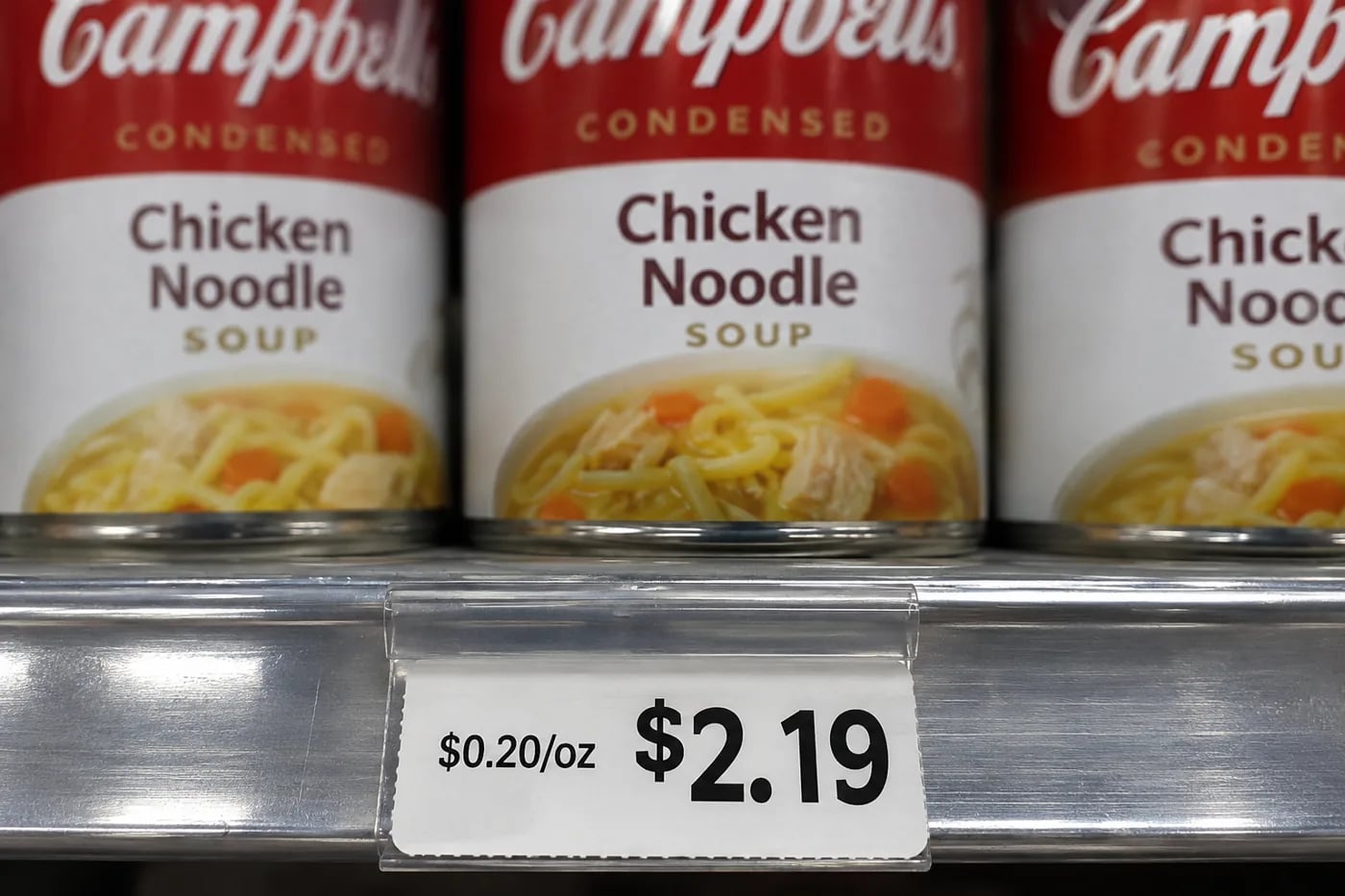
That tiny number in the corner of the shelf tag, the cost per ounce or per pound, is the most honest thing in the store. It's also optional in most of the country.
Unit pricing is required by law in only 11 places: Connecticut, Maryland, Massachusetts, New Hampshire, New Jersey, New York, Oregon, Rhode Island, Vermont, Puerto Rico and the Virgin Islands. Everywhere else it's voluntary, so a store can show it or not. Even so, a 2024 Purdue study found 82% of shoppers use it when it's there.
Dr. Sharon Austin of the University of Florida's Family Nutrition Program advises comparing the cost per pound, ounce or quart on the tag instead of the sticker price.
Here's why it matters. The government's own price statisticians use the ice cream carton as their example: a half-gallon shrinks from 64 ounces to 60 at the same $5.99. The sticker didn't change, but you're paying 6.7% more per ounce. The unit price catches that. Your eye won't.
If your store doesn't post unit prices, divide the price by the ounces on your phone's calculator. It takes ten seconds, and you only need to do it once per product you buy regularly.
12Popping in for "just one thing"
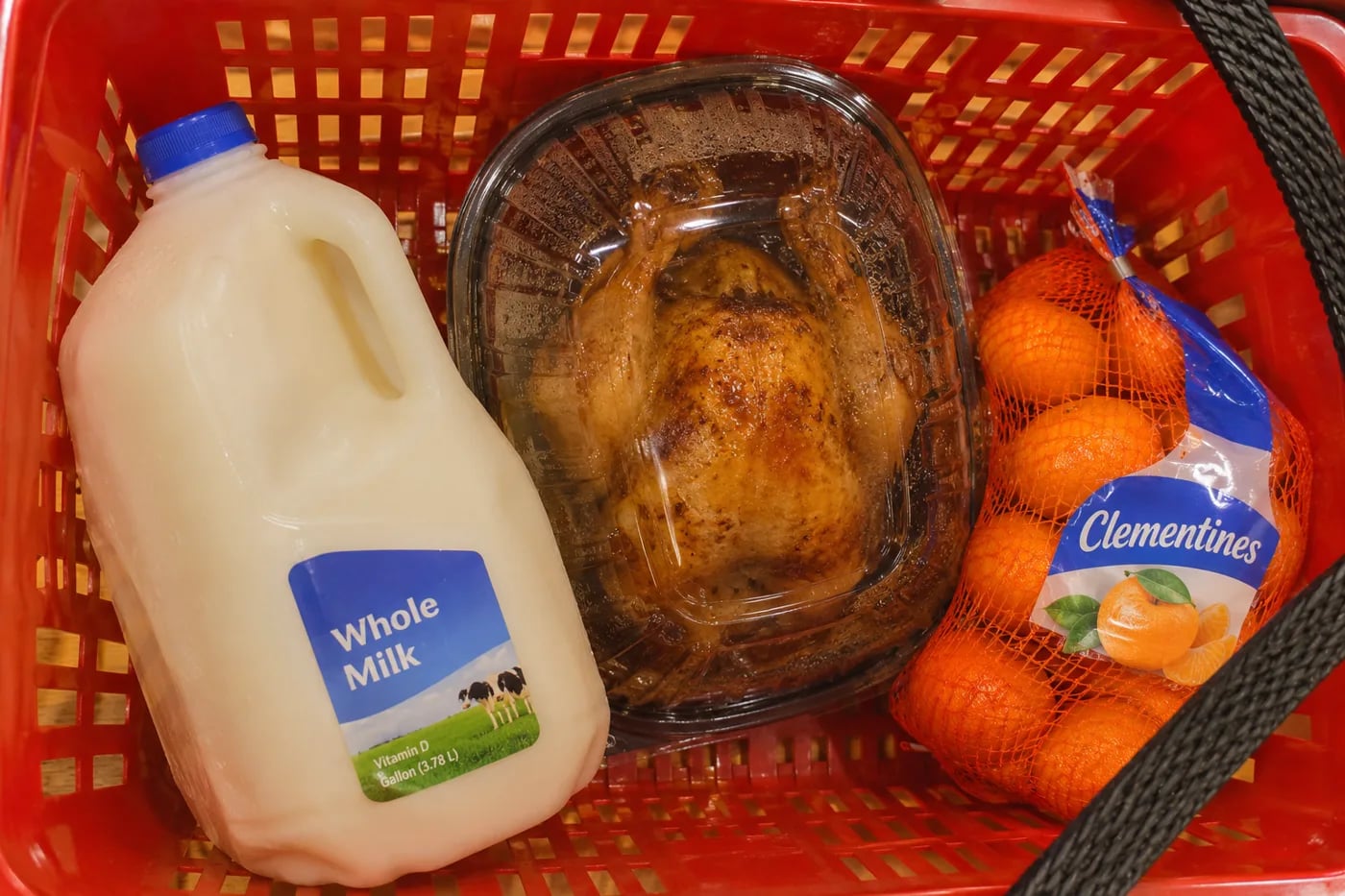
You went in for milk. You came out with milk, a rotisserie chicken, a candle that smells like pie and a bag of clementines.
That isn't a character flaw. It's the clock. Researchers at Notre Dame found that unplanned purchases get more likely the longer you're in the store. Marketing professor Timothy Gilbride added a detail that will sound familiar: "this shopping behavior was more prevalent for shoppers with smaller budgets for the shopping trip and presumably more specific goals, such as buying food for dinner."
The Wharton data points the same way. On quick stops nobody had planned, unplanned buying rose 23%. On the big weekly shop, it fell 13%.
Rachel Coons, who calls herself a grocery savings coach on TikTok, puts the whole thing plainly: every trip into the grocery store means spending money.
So go straight to the thing and take the shortest route back to the register. Better still, ask whether you need it tonight. Out of milk is a real emergency. Out of shallots usually isn't.
11Grabbing the jumbo size for one person
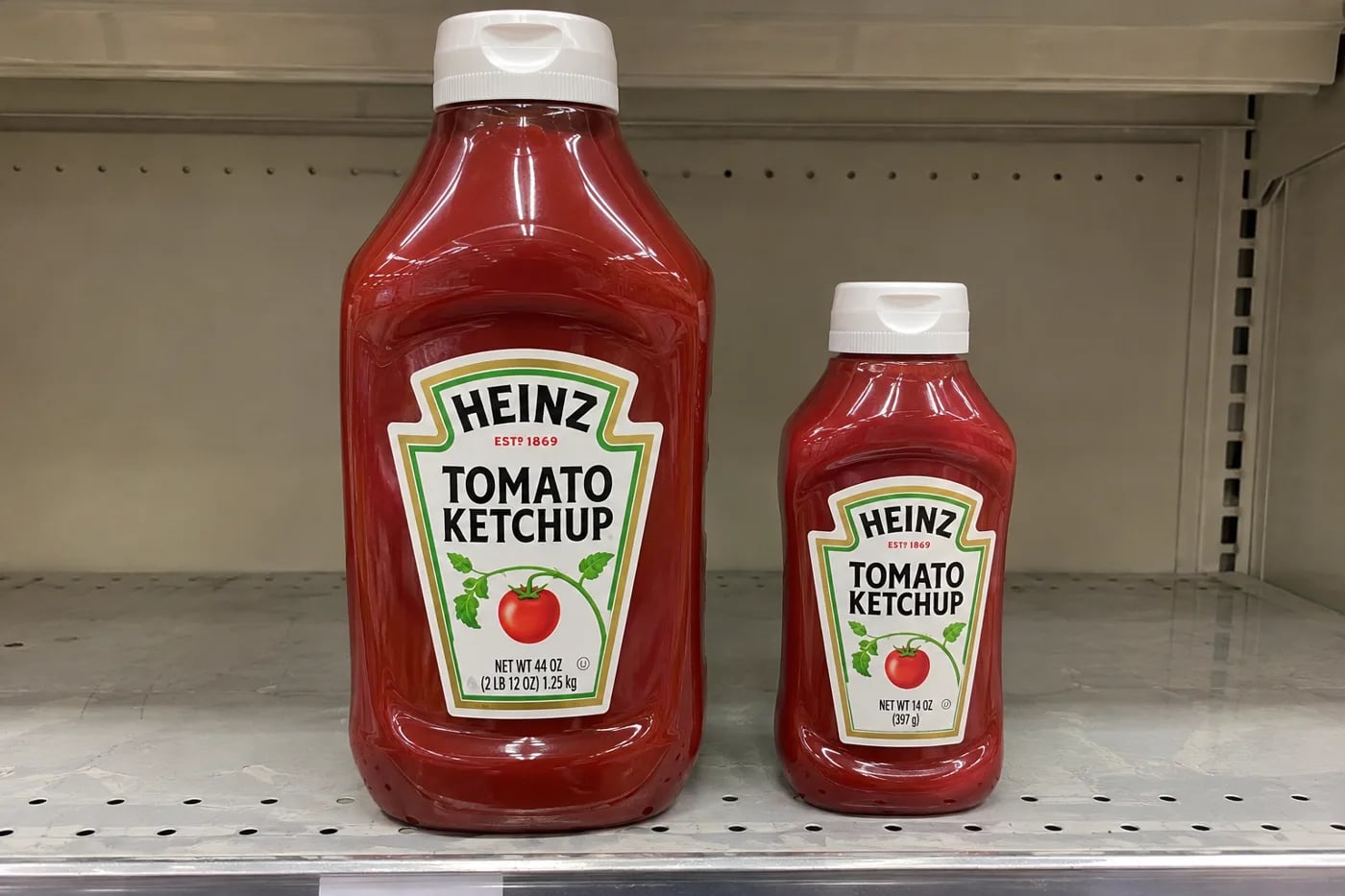
"Bigger is cheaper" is true at the register and false in the trash can.
Shoppers in two- and three-person households say they quit buying in bulk at the supermarket, especially the giant condiment bottles. They can't get through things fast enough, and they don't have the space to store them.
People living alone describe food spoiling before they can finish it. The advice they get back is practical: buy a few days' worth at a time, or freeze portions as soon as you get home.
Condiments are where this bites first. Once opened, ketchup keeps about six months in the fridge, mayonnaise about one to two months and bottled salad dressing about one to three, according to Iowa State University Extension. Do the math your own way. Say the jumbo jar is 20% cheaper per ounce, and you throw out the last third when it turns. You paid more than you would have for the small jar, and you also gave up the shelf space.
Buying in bulk still makes sense for anything that keeps until you finish it. For a household of one, that test decides it every time, whatever the unit price says.
10Buying a week of produce that spoils fast
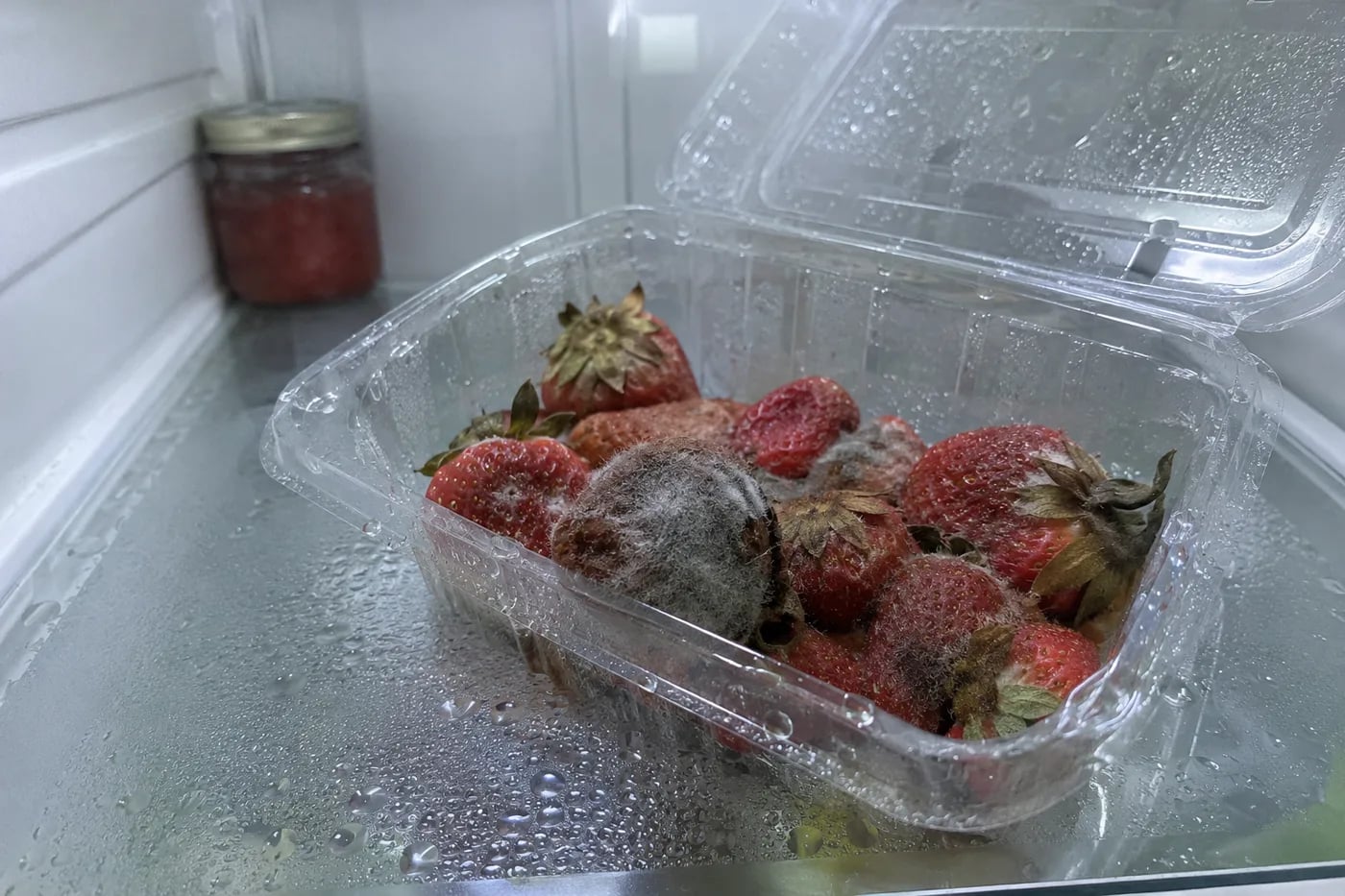
Sunday's berries are a gray fuzz by Thursday. The bag of spinach has turned to something you pick up with two fingers.
You're not imagining that this happens a lot. The USDA's official estimate, based on 2010 data, is that at the consumer level 22% of vegetables and 19% of fruit go uneaten. Across all food, that came to $371 per person that year in food bought and never eaten. The agency blames two things: food that spoils fast, and people misjudging how much to buy.
Where you shop matters too. Commenters on TikTok and Reddit say produce from some discount grocers and specialty chains goes bad within days. That makes a big produce haul a gamble.
Rachel Coons is blunt about the pattern: "If you find yourself throwing away food, you're either over buying or you're not using up what you have on hand first."
The cure for this kind of food waste is a split shop. Buy the fragile things for the next two or three days. Cover the back half of the week with frozen and canned.
9Loading coupons and reward points you'll never use
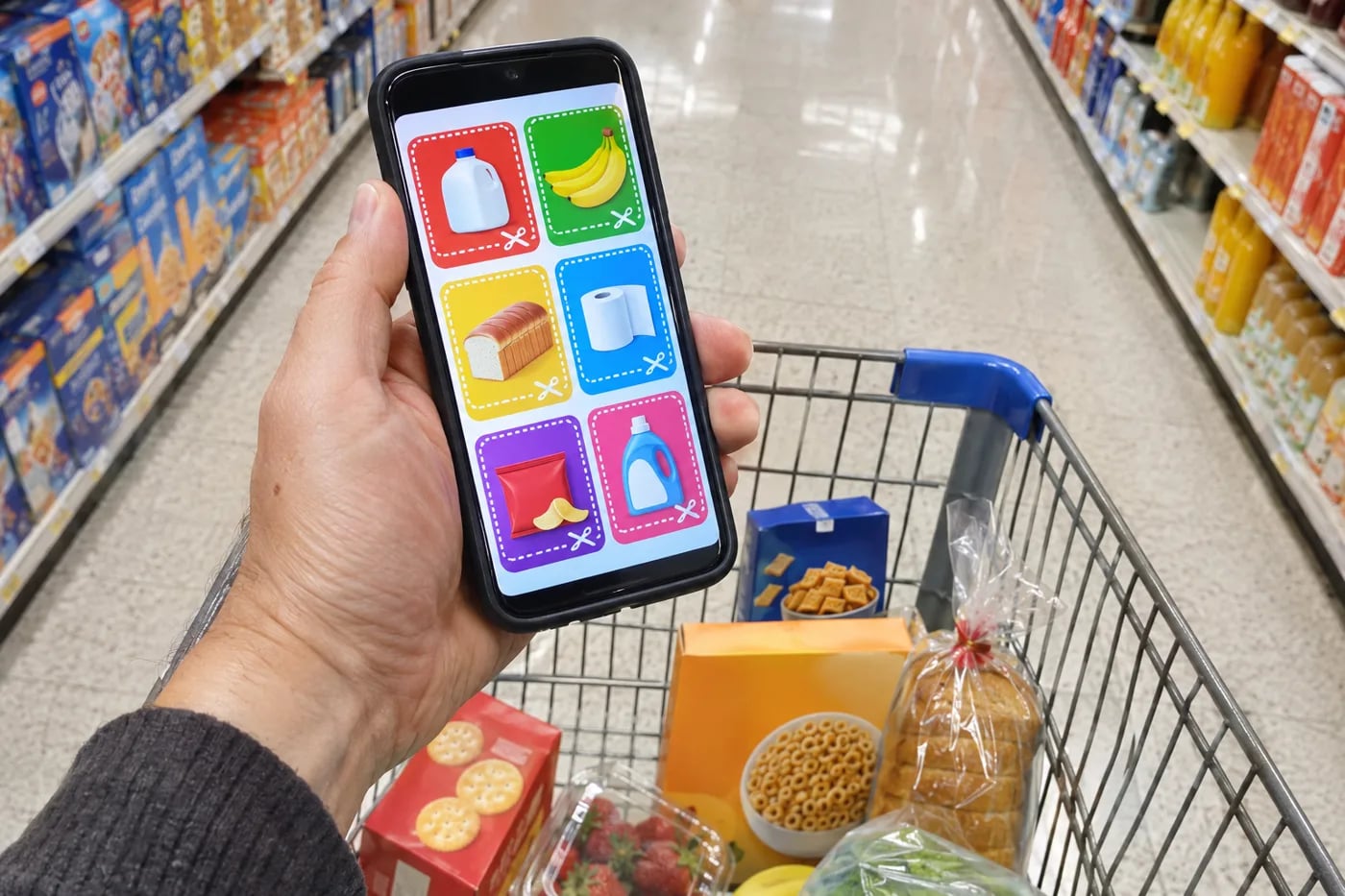
Clipping every digital coupon in the store's app feels productive. Mostly, it isn't.
Coupon processor Inmar counted 34 billion coupons distributed in the US in 2025. About 0.81 billion were redeemed. That's roughly 2.4%, so about 97 of every 100 coupons go unused.
Fuel points are smaller than the hype too. At Safeway and Kroger, you earn about one point per grocery dollar, and every 100 points is worth 10 cents off a gallon. Spend $300 a month at the register and you've earned 30 cents a gallon. On a 12-gallon fill-up, that's about $3.60. Some Kroger shoppers can take it as grocery credit instead, which comes to about $3. Safeway's points expire monthly; Kroger's expire at the end of the following month. Either way, a skipped fill-up can cost you what you've earned.
Some shoppers say they've given up couponing altogether. For some, it ate too much time. Others found most coupons were for processed food they didn't want anyway.
The loyalty program card itself costs nothing to carry, and keeping it is fine. The habit to drop is buying something because it earns points or has a coupon. Load digital coupons only for things already on your list. Cash-back apps follow the same rule: they pay you back on things you'd have bought anyway, or they aren't savings.
8Tossing food the day the date passes

The crackers say "best by" last Tuesday, so into the bin they go. The government would like a word.
In 2019 the FDA backed "Best if Used By" as the wording for quality dates. Translation: the food may taste a bit less fresh after that date. It doesn't mean the food is unsafe. Food date labels are voluntary for nearly everything. Infant formula is the one product where a date is federally required. Confusion over these labels drives about 20% of the food people throw away.
The USDA's guidance, as summarized by the University of Arkansas Extension, sorts it out:
- Sell by: for the store, telling staff how long to keep it on the shelf.
- Best if used by: for best taste and quality.
- Use by: a real deadline. If a product has one, follow it.
A date can't make food safe if it's been mishandled, so anything that belongs in the fridge and sat out at room temperature is the real risk, whatever the label says. The same extension guide covers the details.
If you shop in California, the labels just got simpler. Since July 1, 2026, newly made food sold there can't carry a "sell by" date for shoppers. Only "BEST if Used by" and "USE by" are allowed.
7Feeling guilty about frozen vegetables
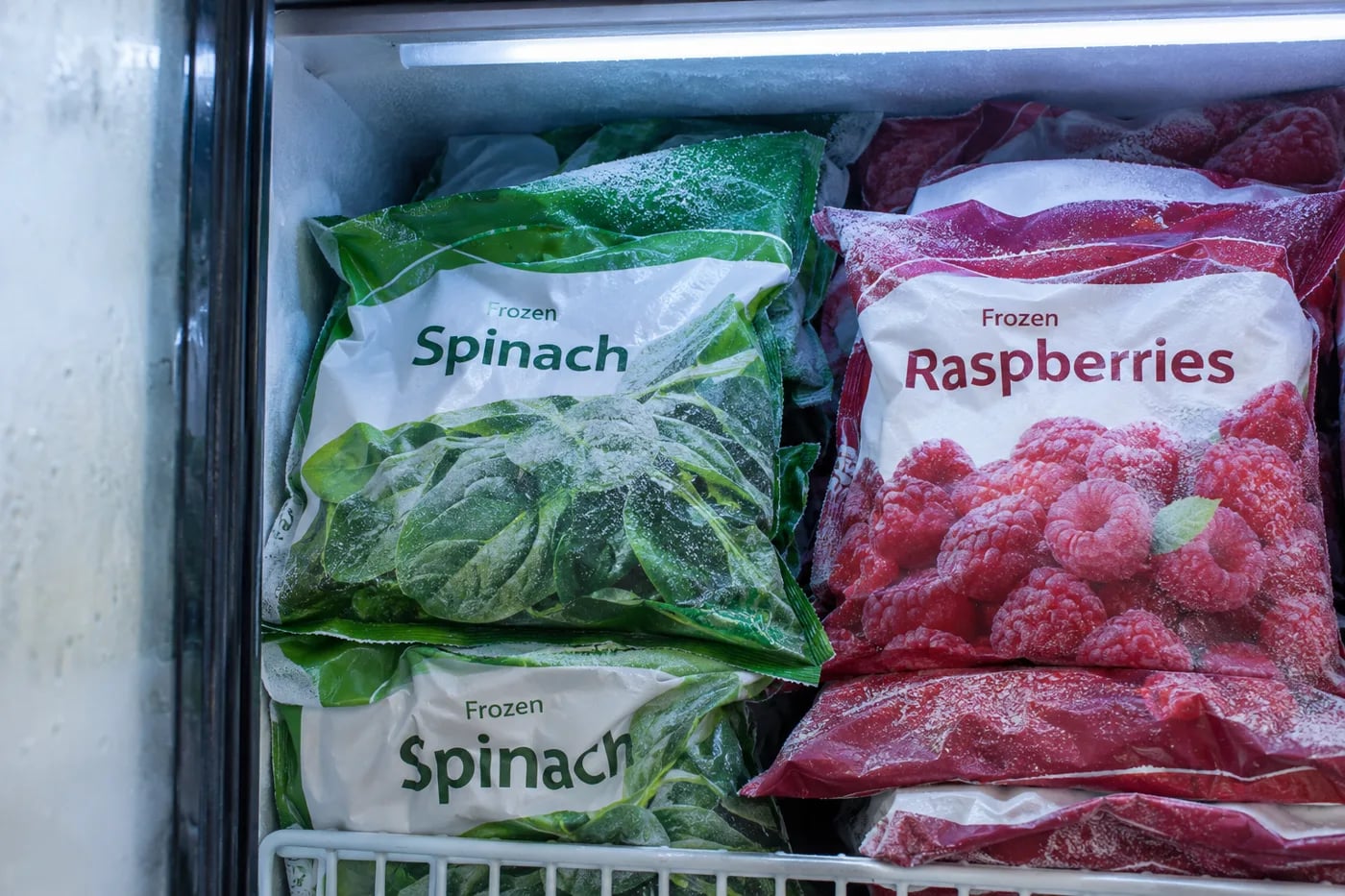
Somewhere along the way, a bag of frozen broccoli started to feel like cheating. The prices say otherwise.
USDA economists priced 155 fruits and vegetables using store checkout data. In 2022, spinach cost $1.10 per cup equivalent frozen, 90 cents canned and $1.77 fresh. In 2023, frozen raspberries and canned corn also beat their fresh versions.
| Item | Fresh | Frozen or canned |
|---|---|---|
| Spinach (2022) | $1.77 | $1.10 frozen |
| Raspberries (2023) | $2.65 | $2.05 frozen |
| Corn (2023) | $1.42 | $0.68 canned |
It doesn't always go that way. Fresh apples at 50 cents beat applesauce at 65, so check the tag.
The bigger point came from a home cook on r/Frugal, defending the frozen aisle:
"The cost comparison isn't homemade, the cost comparison is takeout." (a home cook on r/Frugal)
Another shopper in the same thread admitted she pays a bit more for precut frozen produce on purpose, "because I know myself." Food you actually eat beats cheaper food you throw out. Keep a frozen pizza or two for the nights #17 sneaks up on you.
6Writing off the warehouse club as "just me"

It's just me, I'd never use all that. That's the objection consumer broadcaster Clark Howard, host of The Clark Howard Show, says he hears most. He thinks it's often wrong.
For a TV special, his team shopped the clubs and compared prices. They found plenty of items sold in sizes a single person or a couple can get through. His test for anything semi-perishable is to check the shelf life on the package before you buy, and make sure you'll use it up in time.
He's just as firm in the other direction. "A lot of perishable items I don't buy at the warehouse clubs," he said in a WSB-TV piece, "because we're not going to finish them before they spoil. And then what have you done? You've thrown your money away."
The stuff that keeps is where a warehouse club earns its fee. Canned tomatoes and fruit hold their best quality for 12 to 18 months. Howard also points to the clubs' own brands, Kirkland Signature at Costco and Member's Mark at Sam's, as the big change of the past decade. A giant tub of salad greens is where the fee gets lost.
And if you join, take his scheduling advice: skip the warehouse club on weekends and go early in the week.
5Shopping the store on an empty stomach
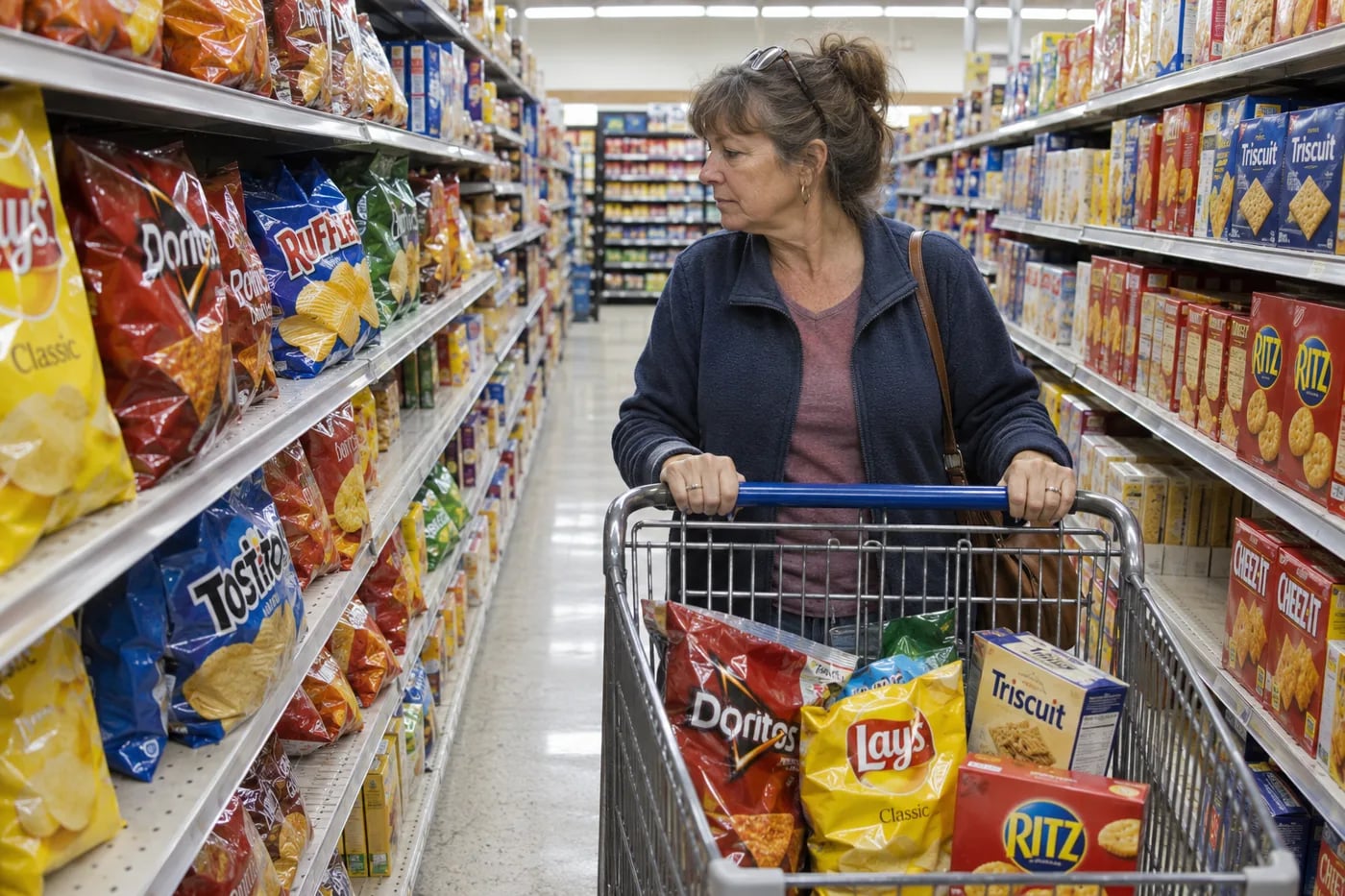
Everyone knows not to shop hungry. The study behind that advice is less famous than the advice itself.
It was 81 people leaving a department store in 2015. The hungry ones had spent 64% more, much of it on things that weren't food. Interesting, but it was a department store, not your supermarket.
In 2026, researchers looked at the receipts of 323 supermarket shoppers, item by item. Overall, hunger had no real link to unplanned buying. The one exception was snacks and candy, and that showed up only in younger shoppers.
Here's the surprise. Shoppers 55 and older reported the most hunger of any group and made the fewest unplanned purchases. What predicted overbuying was browsing. People who were just looking around made unplanned purchases 69% of the time, against 24% on routine grocery trips.
"What you plan to do before entering the store may matter more for unplanned purchasing than how hungry you are." (Sait Durgun, researcher, Breda University of Applied Sciences)
So eat first if the cookie aisle is your weak spot. Otherwise, a growling stomach is less of a problem than a free afternoon and a cart.
4Missing the store's senior discount day
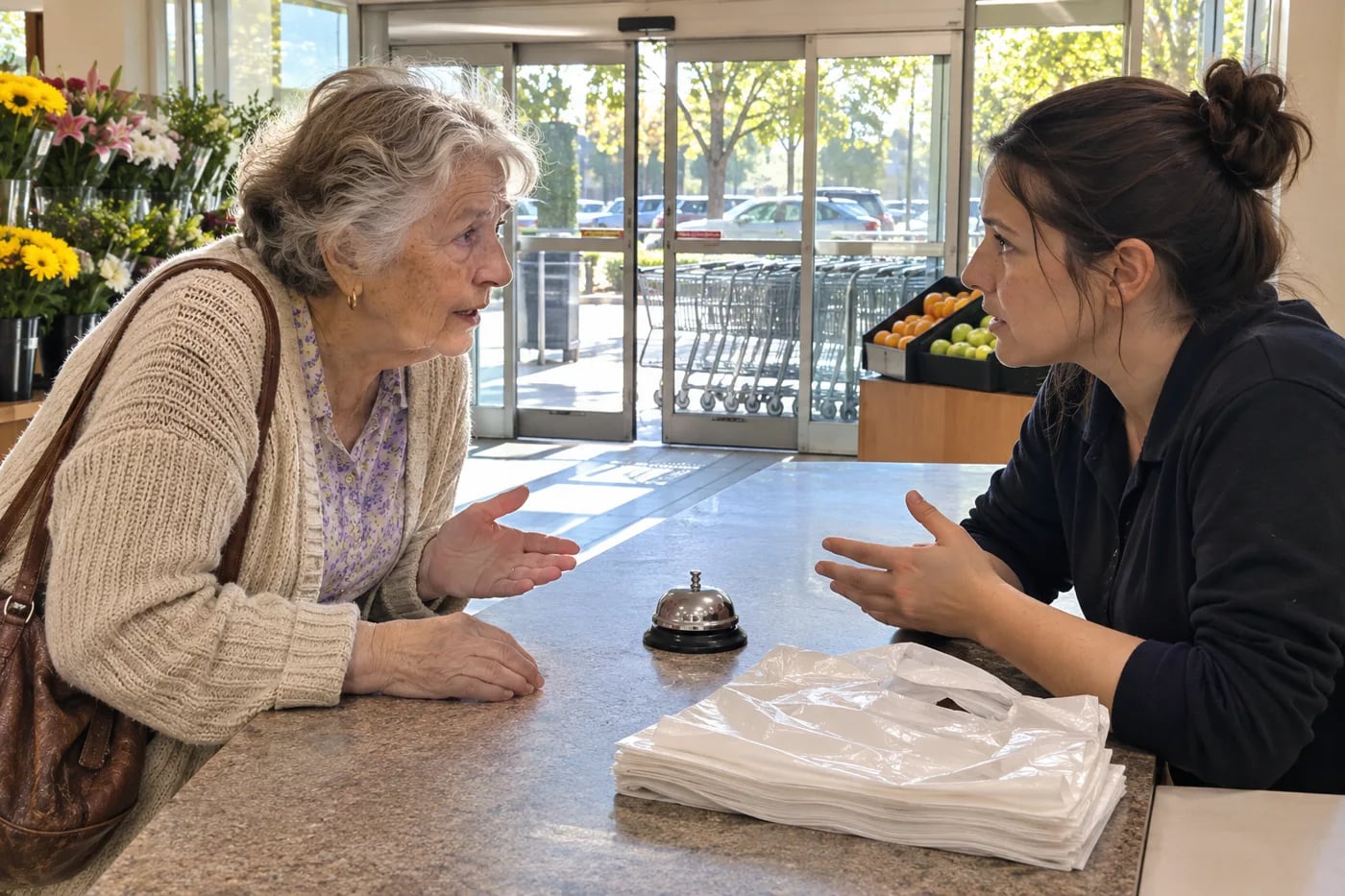
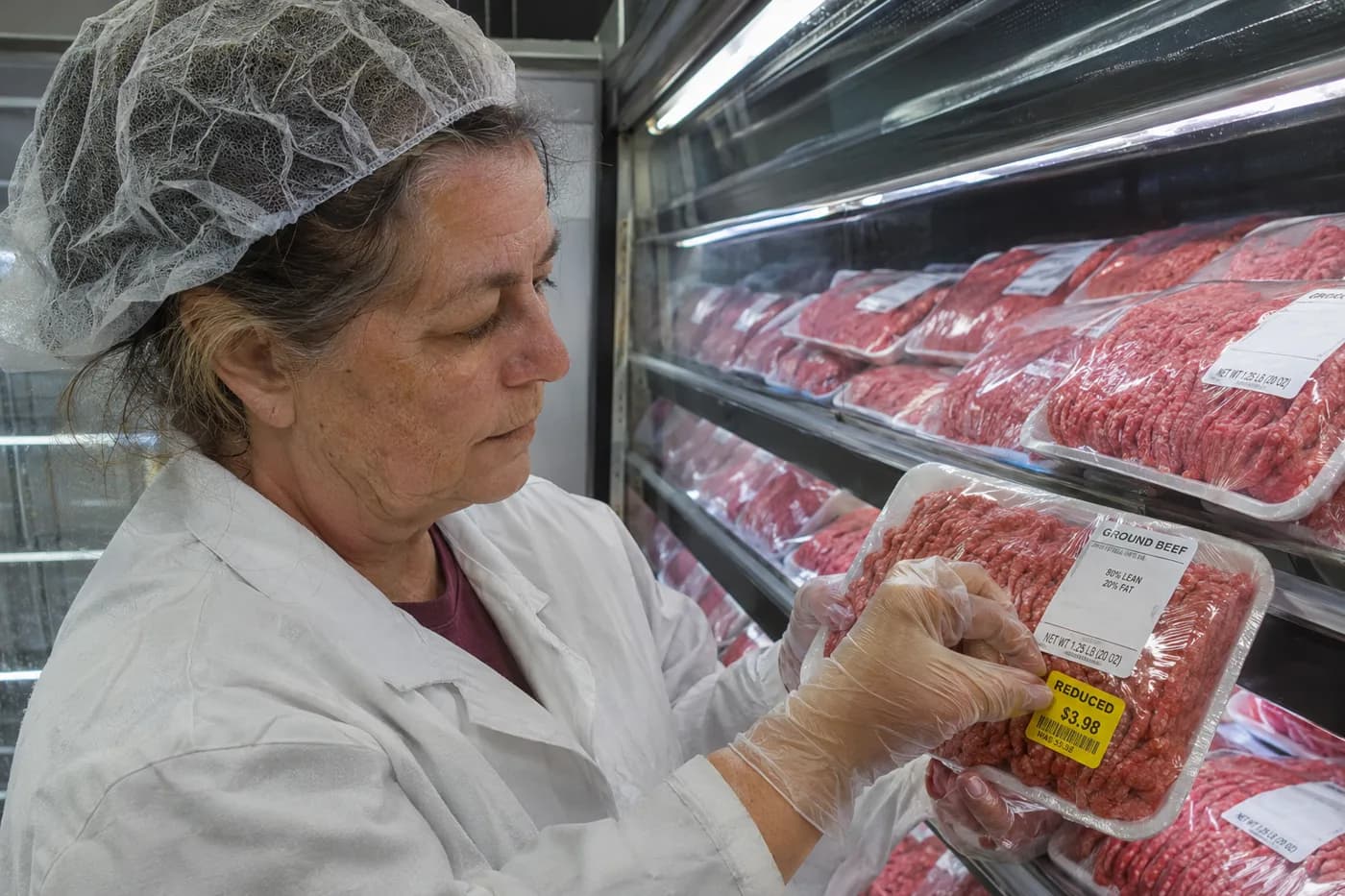
Some big grocery chains quietly knock money off for older shoppers on certain days. The cashier won't announce it.
The National Council on Aging lists these grocery deals:
| Chain | Who | What and when |
|---|---|---|
| Fred Meyer | 55+ | 10% off select items, first Tuesday of the month |
| Harris Teeter | 60+ | 5% off with "Club 60," every Thursday |
| Hy-Vee | 55+ | 5% to 10% off, day varies by store |
| Albertsons | Age not listed | 10% off, first Wednesday of the month |
What it's worth: shift a $60 weekly Harris Teeter shop to Thursday and you save $3 a week, about $156 a year, for changing nothing but the day.
Three things can stop it working. These programs can vary by store and change without notice, so ask at the service desk before you plan around one. "Select items" means some things won't count. And a 10% day can tempt you to buy an extra 10% to "use" it, which cancels the whole point. Shop your normal list on that day, and nothing more.
3Driving to several stores to save pennies
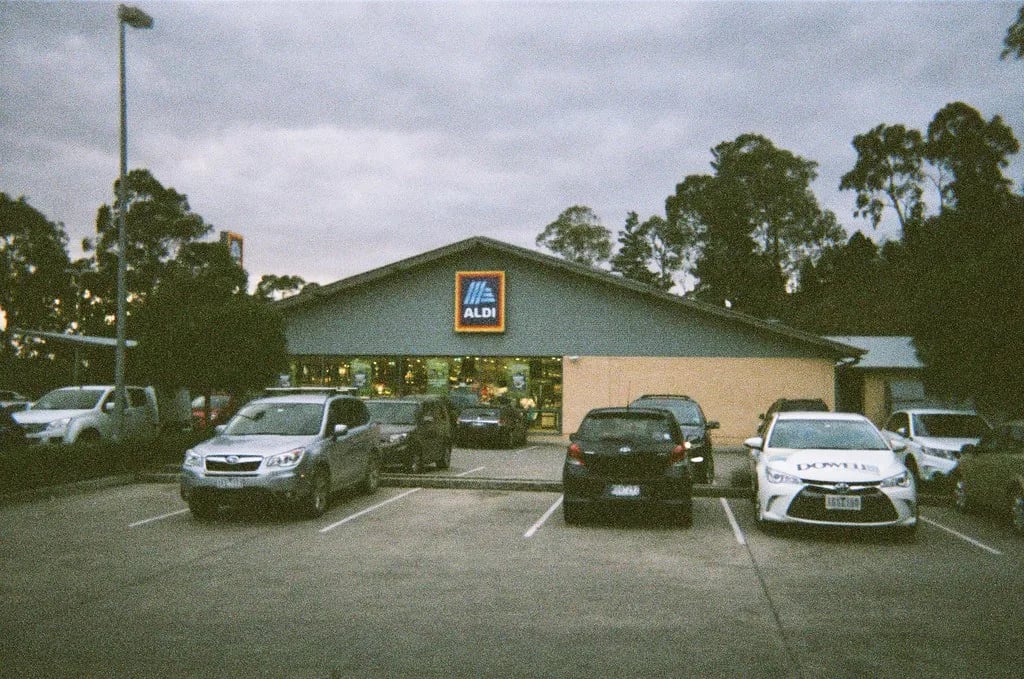
The internet loves a shopper who hits four stores for the best price on each item. The gas tank doesn't.
A commenter under a TikTok video recommending four stores answered for a lot of people:
"And buy enough gas to drive from place to place and negate any savings." (a TikTok commenter)
If you drive, here's what that detour actually costs.
| Cost counted | Per mile | 10-mile round trip |
|---|---|---|
| Gas only (AAA, 2025) | 13 cents | $1.30 |
| Full cost of driving (IRS, second half of 2026) | 76 cents | $7.60 |
The IRS figure counts wear, insurance and the car losing value, which you pay whether you notice or not. And neither number includes your time.
So a second store earns its place only when it's already on your route, or when the savings on that trip clearly beat $7.60. Saving 40 cents on eggs across town is a donation to the gas station.
2Ignoring delivery and pickup markups
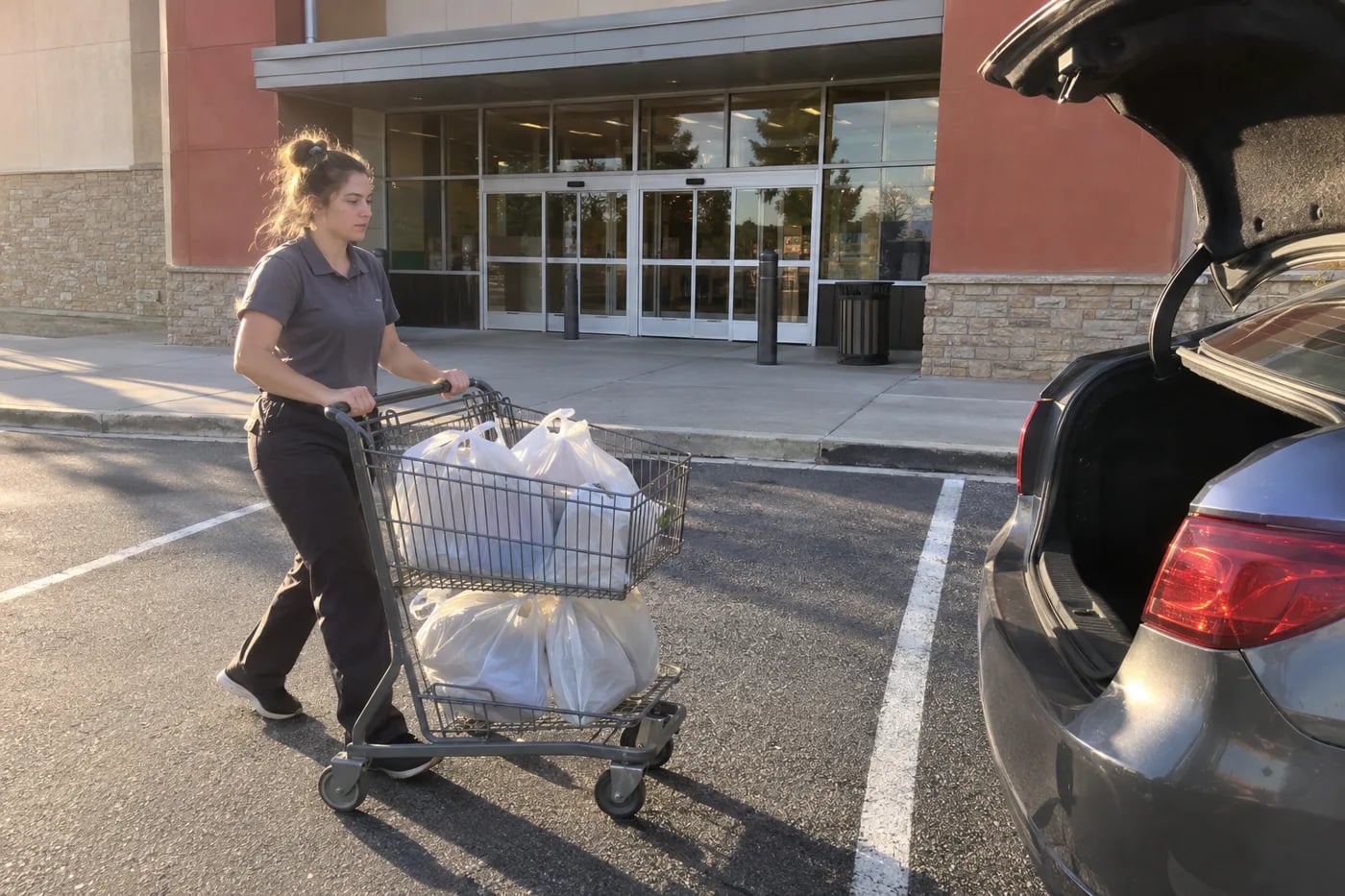
Grocery pickup and delivery feel like the same store, just with someone else pushing the cart. The prices may not be the same at all.
On Instacart, the retailer sets the prices, and some add a flat percentage over what's on the shelf. In a December 2025 test, Consumer Reports and the watchdog group Groundwork Collaborative had 437 volunteers shop identical items. Prices varied by as much as 23%, which they estimate could cost a family of four up to $1,200 a year. Instacart said only 10 retail partners that already mark up prices ran those tests.
Memberships add their own math. Walmart+ costs $98 a year, or $12.95 a month, with free delivery on orders of $35 or more and a $6.99 fee under that. The yearly plan works out to about $8 a month, worth it only if you'd order often enough to use it.
Pickup has a real upside. Commenters in a Reddit thread on overspending say ordering online stops the add-ons that happen in the aisles. That only helps if the app prices hold up. Check five things you buy every week, once, against the shelf price. That one comparison tells you whether the convenience costs pennies or a markup.
1Not knowing your own monthly grocery number

Ask most people what they spend on groceries and you'll get a shrug and "too much." Too much compared to what?
The USDA publishes the answer, and almost nobody looks. Its Thrifty Food Plan is the government's lowest-cost estimate of what a healthy diet costs when you make every meal at home. Its cost-of-food reports give a figure for each age and sex, with 20% added for someone living alone.
Thrifty is the floor, not a target. The same reports price three higher plans: low-cost, moderate and liberal.
Now find your real number. Add up last month's grocery receipts, or search your card statement for the stores you use. Leave out restaurants, because the USDA does too.
Then compare. If you're near the moderate line and eating well, you're fine, and nobody gets to lecture you about it. If you're well above liberal, the habits higher up are where the money's going. Either way, your grocery budget stops being a feeling and becomes a figure you can check every month against the USDA's own.
The bottom line
None of these habits makes you careless. Stores, apps and package designers are paid to encourage plenty of them.
The useful question is which two or three you actually have. The one people ask about most is not knowing what's for dinner, and the unplanned stops that follow. Both get fixed before you leave the house.
Start with the number in #1. Total last month's grocery receipts tonight, and you'll know whether you have a problem worth fixing at all.
Up next
16 Things Black Friday Antivirus and VPN Deals Won't Tell You Before You Buy
Before you click "Get the deal," here is what Windows already gives you free, what a $49.99 Norton price tag turns into next year, and how to pay without getting burned.
Read the list →
Bonus: five quick checks the store hopes you skip
- Watch the screen as items scan. If a price rings up wrong and the store won't fix it, complaints go to your state's weights and measures office, not the manager's mood.
- Find out which day your store's weekly ad starts. Many chains switch on Wednesday, and some still honor last week's deals that day.
- Swap one name brand you buy every week for the store brand. The store-brand trade group says shoppers save a third or more that way.
- At a "10 for $10" tag, read the small print before you grab ten. You may not need all ten to get the $1 price.
- Sort two months of receipts by category. For the average household in 2025, meat, poultry, fish and eggs took about a quarter of grocery spending and rose 11.7% from 2024.
Questions people also ask
Is $200 a month enough for groceries for one person?
Whether $200 a month is enough depends on your age and sex, measured against the USDA's Thrifty Food Plan, the government's lowest-cost estimate of a healthy diet. Look up your age and sex on the USDA food plans page and add 20% if you live alone. If that comes to more than $200, then $200 is below the USDA's floor. The plan assumes every meal is cooked at home, so any eating out comes on top.
Is a Costco or Sam's Club membership worth it for one or two people?
A warehouse club pays off for one or two people only if it saves you more than its yearly fee on things you actually finish. With fees of $60 to $65 a year, that's about $5 a month. Consumer broadcaster Clark Howard suggests buying big only what you'll use up before it spoils, such as canned and shelf-stable goods, and skipping bulk perishables.
Is it worth driving to more than one grocery store?
Driving to a second grocery store is worth it only when the savings beat the cost of the trip. For a 10-mile round trip, that's about $1.30 in gas and up to $7.60 counting the full cost of driving. Those figures come from AAA and the IRS 2026 mileage rate. A store that's already on your route is a different story, since the drive costs you nothing extra.
Are digital coupons and reward points worth the time?
Digital coupons and reward points are worth it only for things already on your list. Coupon processor Inmar's figures show only about 2.4% of the 34 billion coupons distributed in 2025 were redeemed. Supermarket fuel points on a $300 monthly grocery bill come to about $3 to $3.60 a month, and they expire if you don't use them.
How do you know if a grocery sale is really a good deal?
A sale is a really good deal when it's near half off, the benchmark coupon expert Teri Gault uses. She says most supermarket items cycle through sales about every 12 weeks, so a small markdown will come around again. Writing down the prices you see over a few weeks shows you which lows are real.
Did any of these feel familiar?
Know someone who needs this?
Sources cited in this article
This article links to 43 outside sources, listed here so you can read them yourself.
- The government's annual spending survey www.bls.gov/news.release/cesan.nr0.htm
- Named one of the biggest www.youtube.com/watch?v=GwBx0B4RvFg&t=0
- Unplanned buying came to about 20% knowledge.wharton.upenn.edu/article/not-on-the-list-the-truth-about-impulse-…
- Suggests building it the way you walk pitt.ces.ncsu.edu/2025/12/shop-with-a-plan-grocery-lists
- In a thread on r/mildlyinfuriating www.reddit.com/comments/1pzm1xo
- $728 a year, about $14 a week www.biocycle.net/epa-updates-data-on-cost-of-household-food-waste
- Told CBS Los Angeles www.cbsnews.com/losangeles/news/coupon-queen-teri-gault-shares-her-top-10-mo…
- Advises keeping a written record www.youtube.com/watch?v=GwBx0B4RvFg&t=61
- Putting a brand on an end display lifted its sales by 346% to 416% ideas.repec.org/a/eee/joreco/v43y2018icp200-208.html
- Required by law in only 11 places www.nist.gov/programs-projects/uniform-unit-pricing-tools-consumers-fight-sh…
- Advises comparing the cost per pound, ounce or quart blogs.ifas.ufl.edu/news/2022/06/21/find-your-frugal-five-money-saving-tips-f…
- Use the ice cream carton as their example www.bls.gov/opub/btn/volume-12/measuring-shrinkflation-and-its-impact-on-inf…
- Unplanned purchases get more likely the longer you're in the store news.nd.edu/news/impulse-purchases-rise-the-longer-shoppers-are-in-store
- Puts the whole thing plainly www.tiktok.com/@heyrachelcoons/video/7218324346715213102
- Iowa State University Extension blogs.extension.iastate.edu/wellness/2019/05/21/refrigerated-condiment-safet…
- 22% of vegetables and 19% of fruit go uneaten www.ers.usda.gov/amber-waves/2013/june/ers-food-loss-data-help-inform-the-fo…
- 34 billion coupons distributed in the US in 2025 www.inmar.com/blog/insights/martech/2026-promotion-industry-analysis-total-i…
- Safeway blog.autoslash.com/how-to-save-big-with-safeway-gas-rewards
- Kroger www.krogerkrazy.com/how-do-kroger-fuel-points-work-2
- Backed "Best if Used By" as the wording for quality dates www.fooddive.com/news/fda-backs-best-if-used-by-voluntary-date-labeling-for-…
- As summarized by the University of Arkansas Extension www.uaex.uada.edu/counties/garland/news/fcs/2016/FoodProductDating.aspx
- Newly made food sold there can't carry a "sell by" date www.foster.com/newsroom/legal-alerts/californias-new-law-standardizing-food-…
- Spinach cost $1.10 per cup equivalent frozen ers.usda.gov/amber-waves/2024/september/satisfying-fruit-and-vegetable-recom…
- Beat their fresh versions ers.usda.gov/data-products/fruit-and-vegetable-prices/highlights-and-interac…
- Defending the frozen aisle www.reddit.com/comments/1sygicx
- Check the shelf life on the package www.youtube.com/watch?v=W--_gkHSH8Q&t=246
- In a WSB-TV piece www.yahoo.com/lifestyle/articles/clark-howard-tips-savings-sam-230556070.html
- Skip the warehouse club on weekends www.youtube.com/watch?v=W--_gkHSH8Q&t=369
- 81 people leaving a department store phys.org/news/2015-03-hungry-people-food.html
- Hunger had no real link to unplanned buying pure.buas.nl/en/publications/dont-shop-hungry-a-receipt-based-field-study-of…
- Reported the most hunger of any group and made the fewest unplanned purchases www.prnewswire.co.uk/news-releases/breda-university-its-not-hunger-but-why-y…
- Lists these grocery deals www.ncoa.org/article/what-discounts-can-seniors-get
- Answered for a lot of people www.tiktok.com/@tooturntteebird/video/7698137908955434253
- AAA, 2025 newsroom.acg.aaa.com/aaa-new-vehicle-costs-drop-to-11577-wi
- IRS, second half of 2026 www.irs.gov/tax-professionals/standard-mileage-rates
- The retailer sets the prices specs.instacart.com/help/section/360008789991/360042679972
- Prices varied by as much as 23% www.cbsnews.com/news/instacart-price-discrepancies-investigation
- Walmart+ costs $98 a year www.nbcnews.com/select/shopping/what-walmart-plus-rcna263677
- A Reddit thread on overspending www.reddit.com/comments/16a95bc
- Its cost-of-food reports fns-prod.azureedge.us/research/cnpp/usda-food-plans/cost-food-monthly-reports
- Your state's weights and measures office www.nist.gov/pml/owm/faqs/price-verification-faqs
- Many chains switch on Wednesday www.tasteofhome.com/article/best-day-to-save-on-groceries
- Save a third or more plma.com/about_industry/store_brand_facts

Jheremy Raquel (JR) Agabao
Editor
JR Agabao edits PennySaver USA. With a working background in bookkeeping and HR, she checks the prices, rules and fine print in every guide before it reaches readers.
More from Jheremy Raquel (JR) Agabao

16 Things Black Friday Antivirus and VPN Deals Won't Tell You Before You Buy
22 min read
Most read
- 115 Bank and Card Fees Worth One Phone Call to Get Waived
- 215 Things to Know About the Best Bank Account Bonuses That Can Beat a Black Friday Sale
- 316 Things Black Friday Antivirus and VPN Deals Won't Tell You Before You Buy
- 412 Places to Keep Your Savings Other Than a Big-Bank Account, and the Catch With Each